OSR growers advised to carry out on-farm stem sampling for larvae
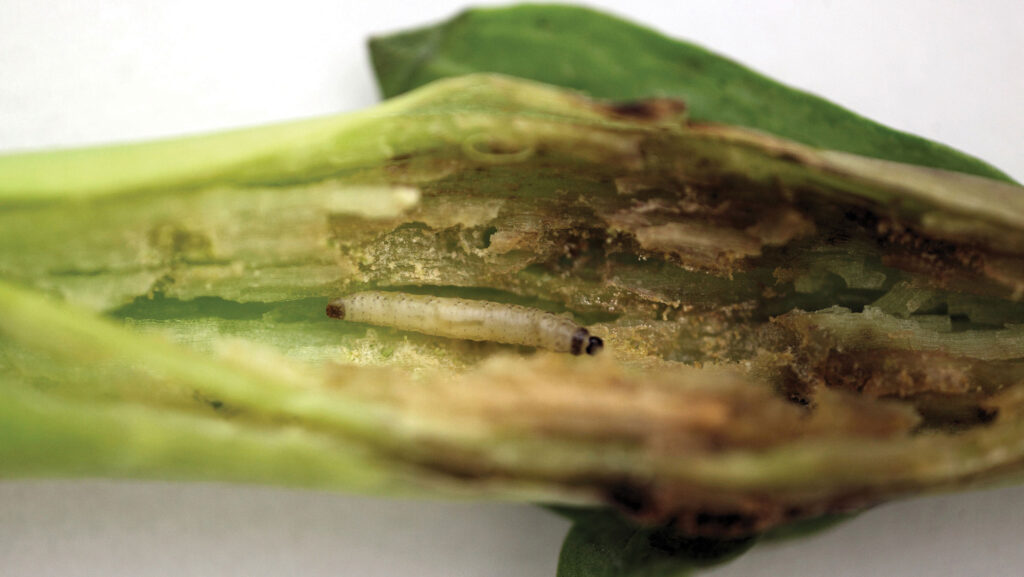 Cabbage stem flea beetle larvae on OSR © Blackthorn Arable
 Oilseed rape growers are being encouraged to carry out simple on-farm stem sampling to monitor cabbage stem flea beetle (CSFB) larvae and better understand pest pressure in their own crops.
Last year, farmer co-operative United Oilseeds worked with crop research organisation Niab to survey CSFB larval levels in oilseed rape across the UK.
About 200 growers submitted plant samples, which were dissected by Niab specialist Colin Peters to build a national picture of larval pressure ahead of harvest.
See also: 10-point plan to beat flea beetle in oilseed rape
The survey is being repeated in 2026, but researchers say farmers can also gain valuable insight by checking crops themselves using basic equipment.
With a few simple tools and a little time in the field, it’s possible to assess larval levels yourself, says Colin.
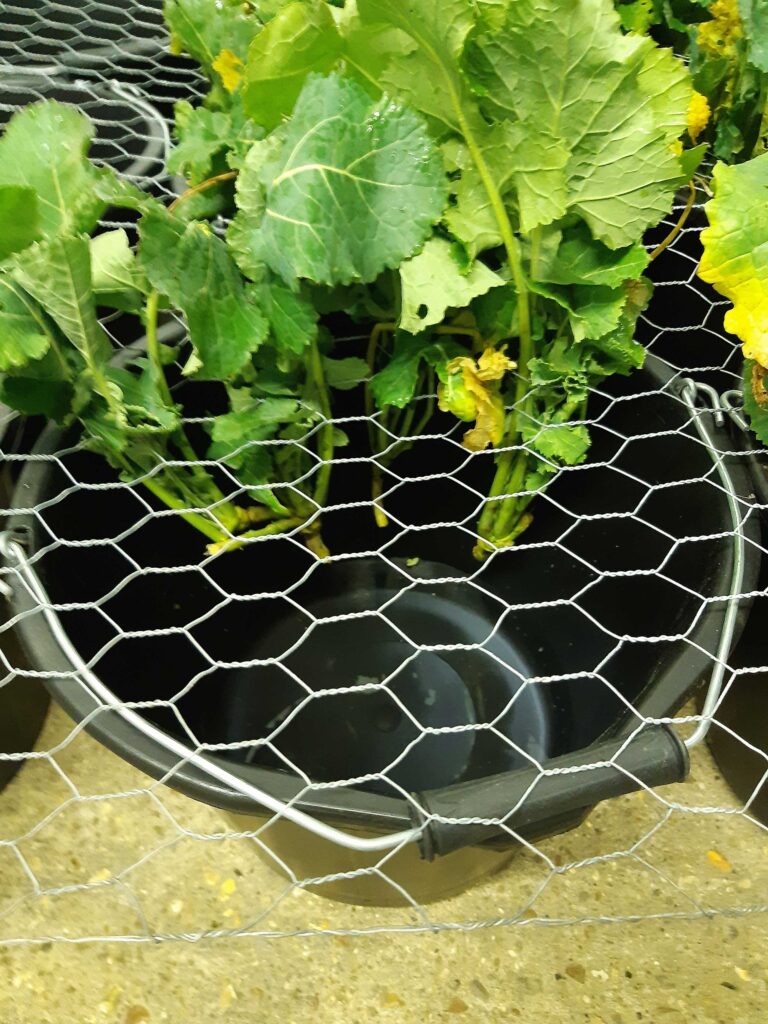
Sampling OSR stems © Supplied by United Oilseeds
The process involves placing oilseed rape stems over a bucket of water mixed with a small amount of washing-up liquid and covered with chicken wire.
As the stems dry, larvae exit the plant and drop into the bucket where they can be counted.
The kit list
- A few £1 black buckets
- A small piece of chicken wire
- A little water
- A small amount of washing-up liquid
- And, of course, some OSR plants
Watch a video of Colin Peters carrying out stem sampling
Why understanding larval levels matters
Monitoring larval levels is about informed decision-making.
Last year’s survey largely confirmed lower CSFB pressure, aligning with autumn yellow trap monitoring and helping to present a more positive picture for OSR plantings.
But seasons vary, says Colin. This year may show a similar trend, or it may highlight higher pressure in certain regions.
“Either way, having a simple, robust monitoring approach in place allows you to take a pragmatic view of crop potential and management decisions.”
When larval numbers are low, it provides reassurance and confidence.
“You may not need to push seed rates towards the higher end.
“And you can often stick closely to your preferred drilling window, safe in the knowledge that establishment risk is reduced.”
When numbers are higher, farmers are better equipped to respond early and appropriately, whether that’s adapting nutrition, adjusting plant growth regulation, or managing the canopy to support plant resilience.
In these situations, considering higher seed rates or fine‑tuning drilling dates may be sensible options, helping to offset expected pressure and maintain crop potential, he says.
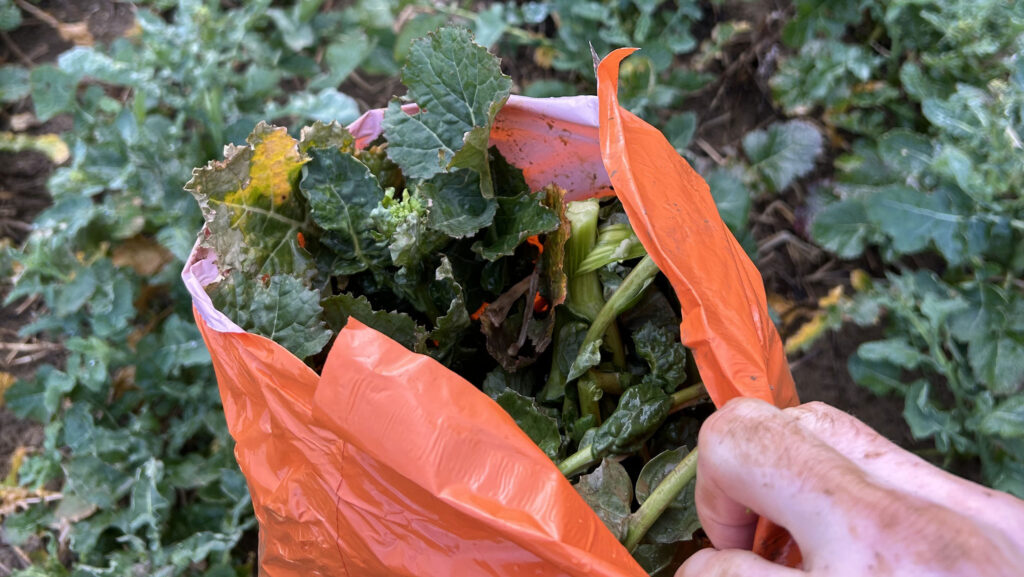
Collecting OSR stem samples © Supplied by United Oilseeds
Just as importantly, on-farm sampling builds knowledge over time.
“By repeating assessments each season, growers can benchmark fields, varieties and establishment approaches, and better understand how different strategies influence outcomes.”