Cross-compliance flexibility aids weed control
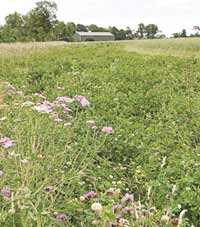
New rules will make it easier for growers to clear problem perennial weeds and prevent natural grasses like blackgrass seeding on fallow land.
Glyphosate-based products, such as Roundup, can now be used at any time as an overall or spot treatment.
The change in cross-compliance rules, under the Good Agricultural and Environmental Condition (GAEC) regulations, is good news for growers, and will provide greater flexibility in controlling weeds on non-cropped land, says Monsanto technical expert Manda Sansom.
“As with set-aside in the past, this will really help growers clear problem perennial weeds and prevent annual weed grasses like blackgrass and brome from seeding in fallow land.”
It represents a change from the previous two seasons. In 2008, herbicide use on land managed as bare fallow was restricted to specific named graminicides.
Last year there was still a specific requirement to maintain a green cover, which provides valuable winter cover and feed for birds, on land not in agricultural production.
Once nesting time arrives in mid-April, controlling arable weeds with glyphosate is preferable to cutting or cultivation, especially for ground nesting birds, like skylarks, says Mrs Sansom.
That requirement had made it difficult for growers to balance all the cross-compliance rules and comply with other obligations to control certain weeds under GAEC 11.
“Roundup is safe to everything but green cover,” Mrs Sansom explains. “It is not going to kill the birds or the insects that the birds might be feeding on.”
The rule change will reduce the need to cut or cultivate land, which means fewer ground-nesting birds will be disturbed and valuable protective “brown cover” – unploughed land sprayed with glyphosate – will be maintained.
Up to 3600g/ha of active ingredient in any Roundup formulation can be used under the new rules in any year.
But, for maximum effectiveness, Mrs Sansom says it is essential to get spray timings right.
She urges growers to avoid spraying while grass weeds, in particular, are in their rapid stem extension phase.
Blackgrass and bromes should be sprayed while they are in head, but before seed set, usually during early June, she advises.
By contrast, broad-leaved perennials are best left until they are in flower – often in July – which usually coincides with preparation for a following autumn crop.
“Maintaining green cover may no longer be mandatory, but it can be extremely valuable in achieving the soil protection also required under GEAC,” adds Mrs Sansom.
“So keeping it intact for as long as possible should definitely be considered on high risk land.”

Staying sharp shouldn't be a chore