Drought summit expected to see water restrictions
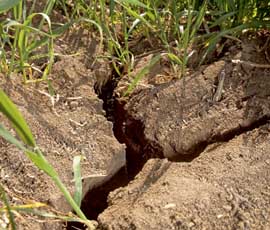
DEFRA secretary Caroline Spelman is hosting a drought summit with farmers, water companies and wildlife groups on Monday (20 February) as rivers and reservoirs run dry.
Large parts of the UK, especially East Midlands, Shropshire, East Anglia, south and south-east England, have been affected by drought for many months and forecasters say this is likely to continue into the summer.
More areas are likely to be affected as the country experiences prolonged periods of low rainfall, DEFRA has warned.
The aim of the summit is to get everyone round the table to listen to what measures are already being implemented to tackle drought and to decide upon actions that need to be taken to mitigate against its impact in the future.
Those in attendance will include representatives from agriculture, water companies, the Environment Agency, Natural England, British Waterways, the Met Office, and environmental NGOs.
Many water companies are expected to file for Drought Orders and Drought Permits from the Environment Agency which allow for the sourcing of water from previously restricted sources and the implementation of water restrictions for consumers. Hosepipe bans are the most widely known of these restrictions.
Ms Spelman told BBC Radio 4’s Today programme: “A hosepipe ban is more likely this year. I think people were quite surprised last year that, not withstanding the fact that it was so dry, that there were no hosepipe bans.
“We have had the second dry winter in a row. Whereas last year it was principally the farmers that were affected by the dry conditions and the public water supply was not affected, I think it is more likely that the public water supply will be affected unless we have substantial rainfall between now and the summer.”
She added: “The purpose of the summit is to get everybody round the table and decide what actions need to be taken against the risk of droughts.”
By contrast, the north west and Scotland have seen substantial rainfall this winter.
Ms Spelman said the government had been urged to build a pipeline to supply south-east England, but added that water was “heavy and costly to transport”.
The summit comes after the latest Environment Agency report said parts of the east would continue to be drought-afflicted, while large parts of the South East were desperate for rain.
Well above average rainfall over the next few months is needed for groundwater levels to recover, but the Midlands, Anglian region and South East all had below average rainfall in January. February is also a notoriously dry month.
Thames Water said groundwater levels in parts of their region were lower than they were during the 1976 drought, after below average rainfall for 18 of the last 23 months.
As a result, the company said it was no longer a question of whether there would be a drought in its area, only when and how bad it would be.
“Droughts are not caused by a few dry weeks and they aren’t solved by a few wet ones,” said a spokesman.
“We need 120% to 130% of long-term average rainfall from February to April to reduce the risk of a drought to a low level and while we can’t control the weather, all of us can help by using less water – because the less we use, the more there’ll be to go around later.”