Drought threatens sugar beet harvest prospects
 © NFU
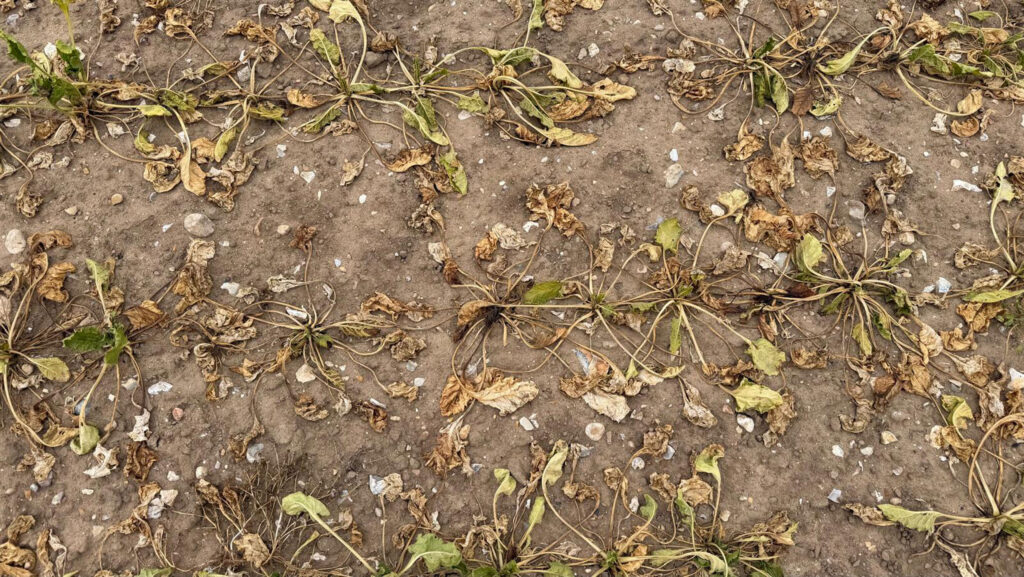
© NFU The financial resilience of sugar beet production is being further tested by drought, with the national harvest forecast to be as much as 25% below an average year.
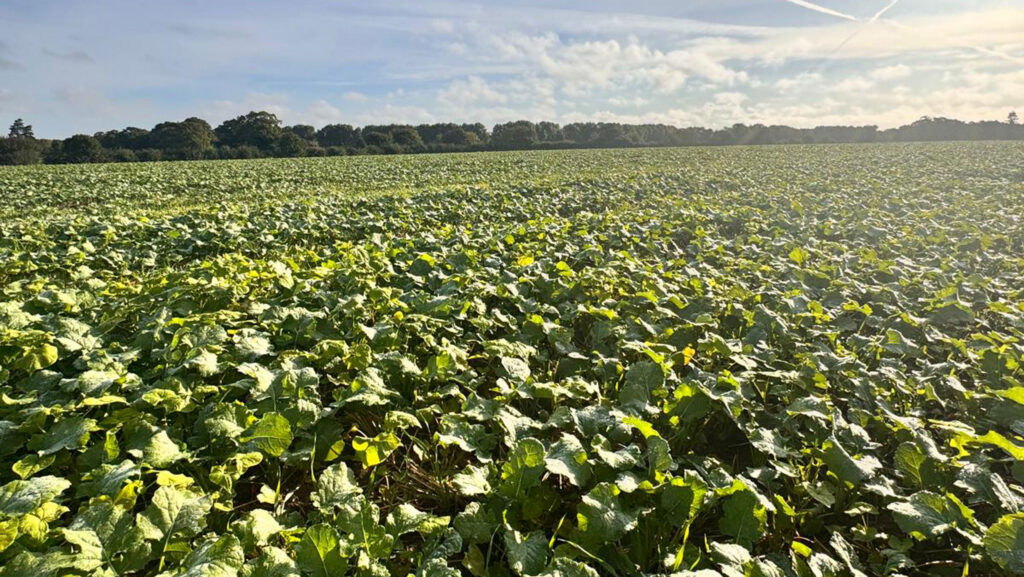
With the crop still a month from harvesting, growers say prospects look extremely poor.
NFU Sugar Board chairman and contract grower Kit Papworth, who typically grows around 150ha of sugar beet on light land in Norfolk, told Farmers Weekly the crop is suffering as much, if not more than his combinable crops.
See also: British Sugar announces plans to close Cantley factory
“There are some terrible crops out there that haven’t grown at all in the last two months,” he said.
“When the leaves touch the ground they simply shrivel and die and sadly have to regrow when it does rain, so unfortunately the prospects for this year’s crop are very, very poor.”
The difficult growing season comes at a time when a contract price for the 2027-28 crop has yet to be agreed between buyer British Sugar and NFU Sugar, which represents growers.
British Sugar has served notice of arbitration to NFU Sugar, meaning that if an agreement is not reached beforehand, a third party will decide the price.
© NFU
While Mr Papworth acknowledges that British Sugar has its own challenges, he believes the market is starting to recognise that it may not just be a poor harvest for the UK, but across Europe, including France and Germany.
“I think traders are starting to understand that,” he said.
How much sugar beet he grows next year will be dictated by the contract price, he added.
“At the end of the day I am a businessman who is trying to make money out of farming. My job is to try to find crops that make money, and it has been pretty challenging in the last few years.”
OSR as alternative
An alternative to sugar beet could be oilseed rape (OSR), which is currently attracting a good price and is being established in good conditions.
“In my budget the margin on OSR looks pretty good, so what I will grow hugely depends on the price those commodities will be trading at and what my yields are. But rape is quite resilient to drought at high temperatures,” said Mr Papworth.
But with concerns growing around a stormy autumn and winter resulting from an El Niño event, it could be a challenging year whatever crops are grown.
“We need to be well kitted out, try to be ahead of ourselves when we have good conditions because I think we have got quite a challenging time ahead,” said Mr Papworth.