

Machinery expert’s tips on drilling cereals into cover crops
 © Weaving
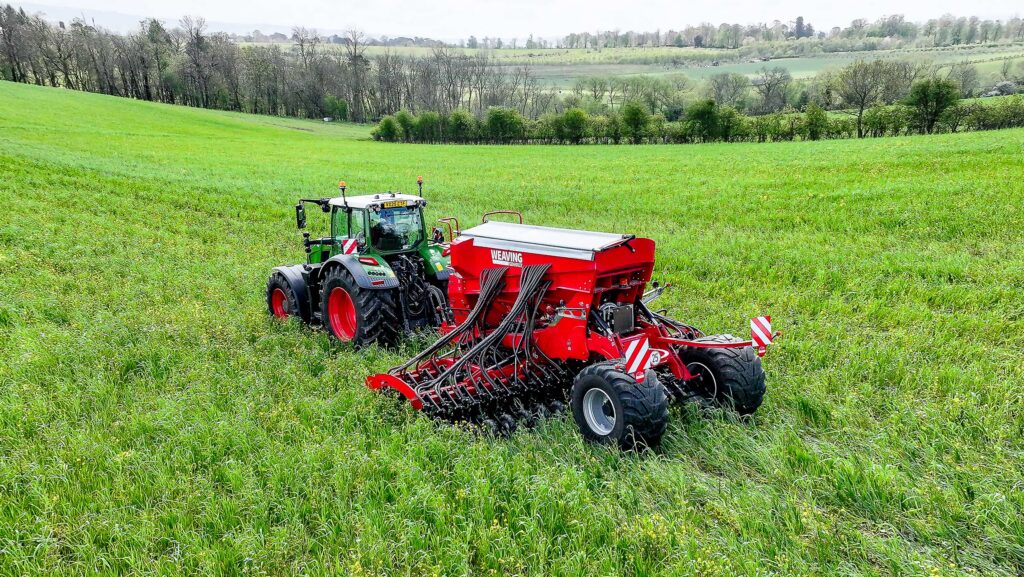
 Cover crops have a valuable role in improving soil health, however, dense residues, reduced soil movement and increased pressure from pests like slugs can make autumn cereal establishment more challenging.
Simon Weaving, sales director for Weaving Machinery, has worked with farmers across the globe as they adjust to low disturbance systems using Weaving’s range of machinery, as well as transitioning his own farm surrounding the factory. Here is what he has learned.
See also: Relay cropping: What it is and how it might work in the UK
Residues drive drill choice
Simon starts by highlighting that both the Sabre Tine and GD disc drill will work sowing into cover crops.
“The Sabre Tine will manage cover crops around a foot tall, or two feet tall where well rooted), without a problem. However, like any tine drill, heavy residues can cause wrapping around the tines. This is where a disc drill is advantageous.”
If a farmer only has a tine drill, and has particularly dense residues, a light disc cultivation can help chop and redistribute material before drilling, without fully inverting the soil.
“If you would rather leave the cover crop standing, a front linkage mounted cutting disc toolbar, will be a useful investment if your Sabre Tine is frequently drilling into cover crops.”
Minimising slug damage
The slug risk is invariably higher when there is a large amount of cover crop residue on the surface paired with wetter autumn conditions.
A higher seed rate can help compensate for potential losses, but effective slot closure is the most important factor, notes Simon.
He explains that the unique design of the GD system, with its angled cutting disc and following press wheel help achieve consistent slot closure, whereas the Sabre doesn’t have a press wheel, so rolling becomes vital.
Chadbury Farm
The Weaving family farm at Chadbury is 18 months into what Simon terms a reset process after many years spent under a contract farming agreement growing veg.
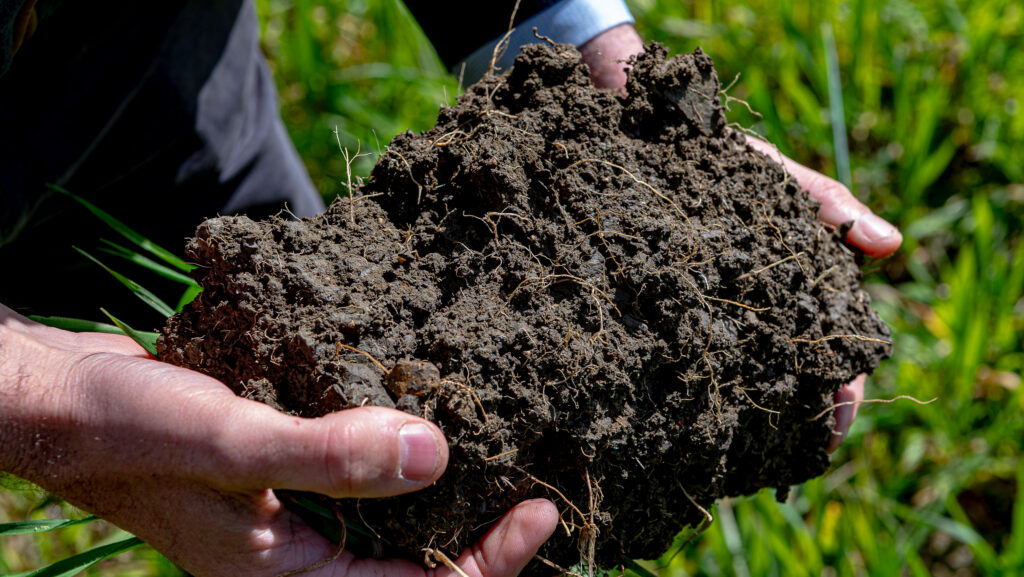
The soil was heavily compacted and lacked good drainage as well as nutrients and organic matter.
© Weaving
The first step was to establish a cover crop containing tillage radish, vetch, phacelia and rye.
The mix was selected to provide a combination of deep tap roots and shallower fibrous root growth, helping to open channels through the soil profile, improve soil structure and capture nutrients.
It was drilled in September and grazed by sheep the following April.
The ground was then shallow cultivated to incorporate the remaining organic matter into the top four inches of soil.
A brown mustard cover crop was then drilled at 10kg/ha at the end of May to add further organic matter, improve soil structure, suppress weeds and capture residual nutrients.
© Weaving
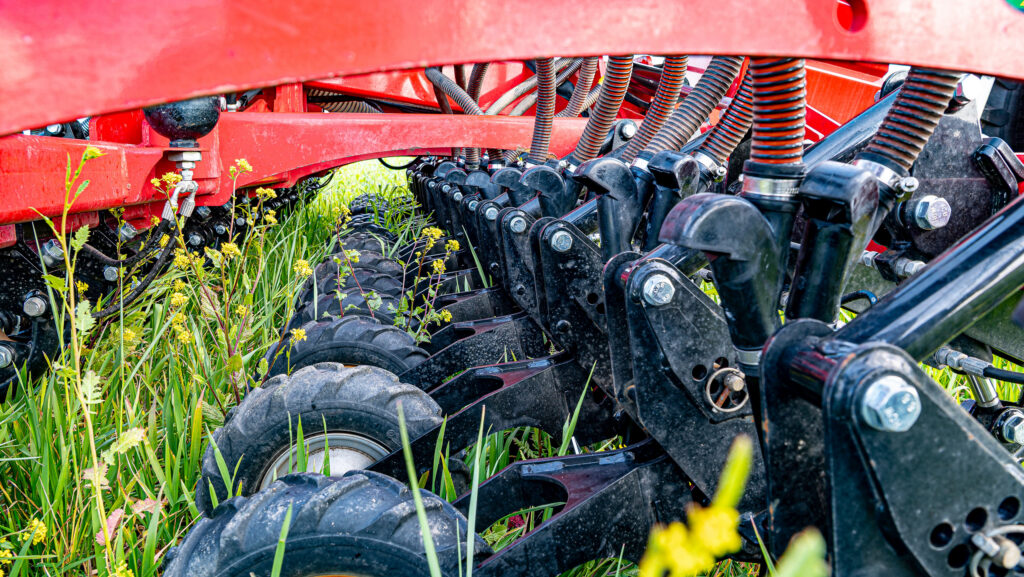
“Both cover crops established well following shallow preparatory cultivation, drilling with the Sabre Tine and subsequent rolling. Drilling slightly deeper also helped the plants access moisture during the dry spring.”
Simon chose the Sabre Tine to drill the cover crops because he says that he was aiming to create as much tilth as possible with the tine coulter while the soils are at this stage in their transition.
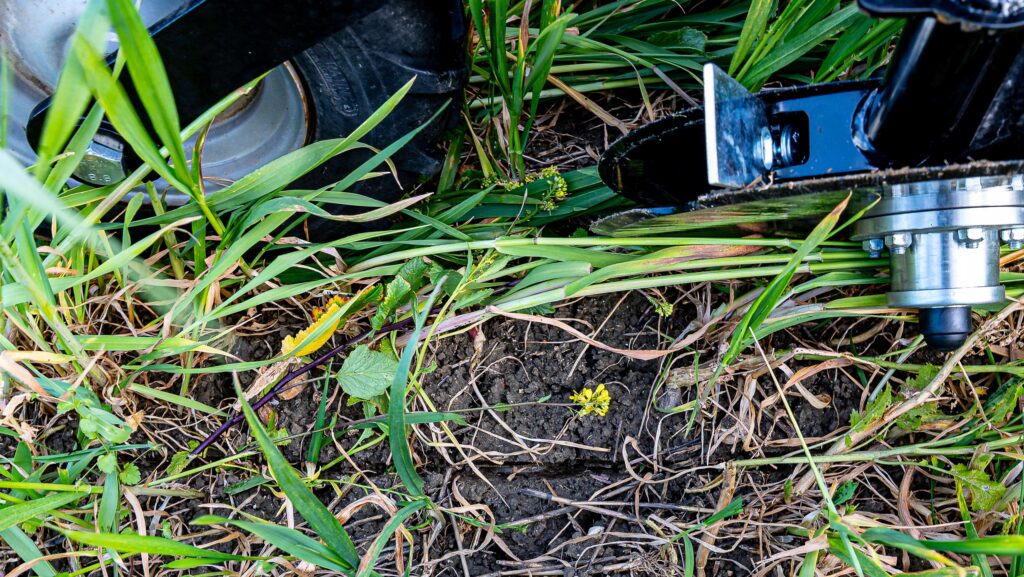
Looking towards the autumn, the plan will be to establish a Crusoe winter wheat crop with 50% of the field drilled with the GD Disc Drill and 50% with the Sabre Drill to get a side-by-side comparison.
© Weaving
“The aim is not to prove that one system is universally better than the other. It is to understand which approach best suits the soil conditions, residue levels and stage of transition in each part of the field,” says Simon.
“Successful establishment comes from matching the drill and cultivation strategy to the conditions in front of you,” he adds.
