Farmer Focus: $3/kg radish contract was a defining moment
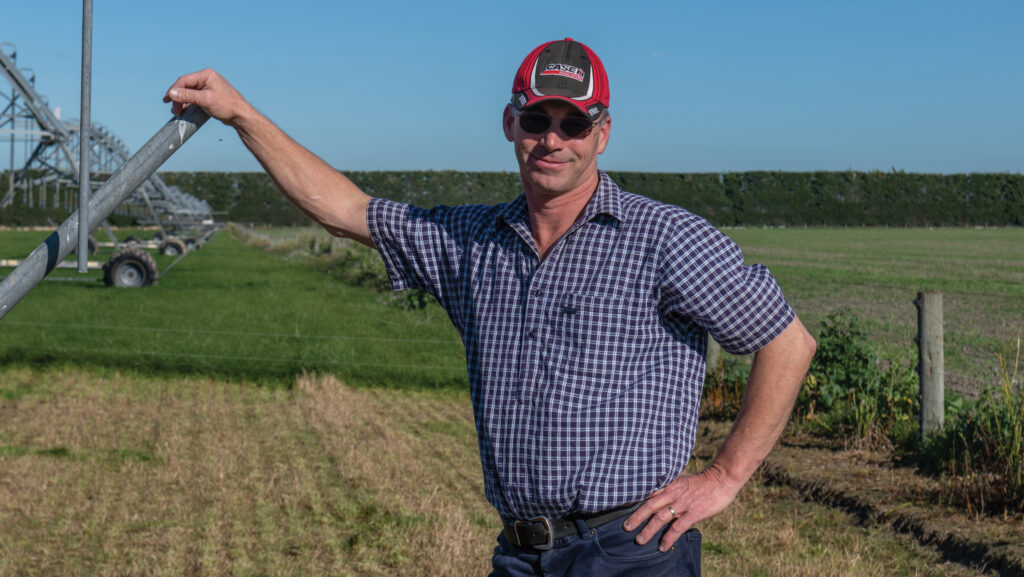 David Clark © Emmily Harmer
 Last month I talked of waiting to see spring contracts for some of our specialist crops. Our hopes have been crushed and our future is unclear.
The arable industry here in Canterbury, New Zealand, and worldwide is under enormous pressure.
Since 2021, fuel prices have doubled, most fertilisers more than doubled, and operating costs are up 50-100% making the crops we grow either break-even, or causing a cash loss.
See also: Farmer Focus: Food security is becoming high risk
About the author

With margins non-existent, and machinery prices doubling over the same time, there is no way we can replace equipment without chewing into our own equity.
The seed companies have been saying nice things, “we need arable growers”, “we realise that you are facing exponential rises in costs”, “we are talking to buyers about the need for a total reset on pricing”.
So, we were waiting to see the new contracts. One company presented us a radish contract for spring planting. It was $3/kg (£1.30/kg), out of which we will have $0.60/kg (£0.26/kg) of certification, dressing and bagging costs. The same price as 2021.
Clearly the seed companies are not listening.
I explained our costs, with the response that it is not their fault that machinery and other costs have increased. It was not just the price that was crushing, it was the message it carried.
Clearly no business can continue when the sale of the product does not cover the cost of the raw ingredients and the equipment used to produce it.
We cannot and will not continue to grow crops for less than the total cost of producing them. So, we are now looking urgently for an off-ramp from arable.
It is very confronting to begin to accept that an arable farming system we have spent 32 years building has no future, even with our low level of debt.
We must now embrace change, whether that be some simplified grain/forage production, or a 1,000 cow dairy, we are looking at all options to ensure a future here at Valetta.