

Farmer Focus: AHDB Recommended List not giving me what I need
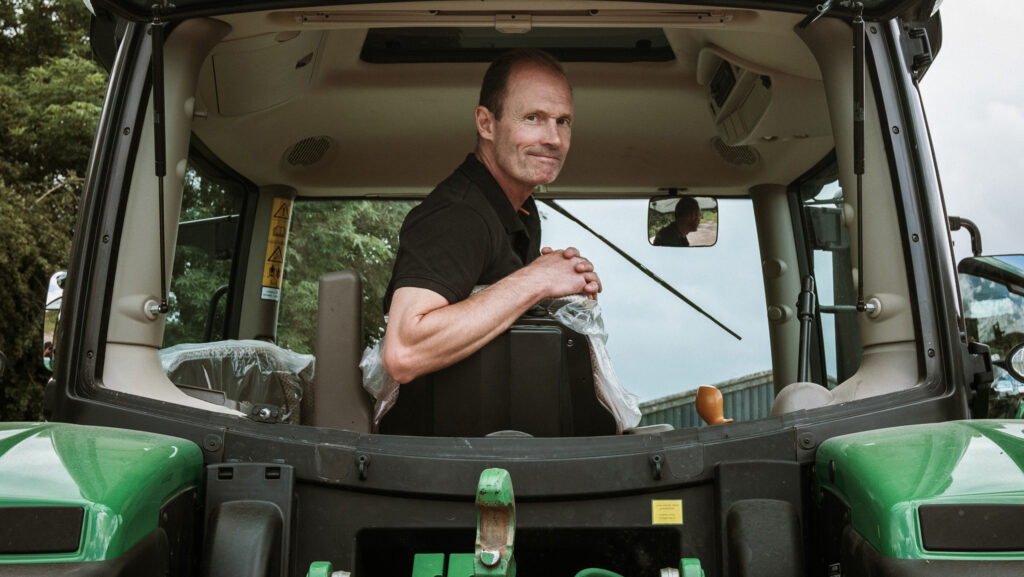 Andy Barr © MAG/Colin Miller
 With luck and a little bit of judgement we have managed to improve the grazing of the cover crops after not getting it right last year.
We got the sheep on them earlier and they came off just before the frost broke, therefore, making the most of the growth and avoiding a lot of poaching that would have resulted as the rain now plays its usual catching-up-after-a-dry-spell trick.
Hopefully, this has also meant we have got rid any cabbage stem flea beetle larvae we have been harbouring in the stems of the brassicas in the mix before they drop out and lay in wait for the next oilseed rape crop.
See also: How 6 farmers are managing fertiliser use in tight season
About the author

This is something I hadn’t considered before hearing about the work carried out by researcher Sam Cook at Rothamsted during an OSR Reboot meeting last year.
So, while it’s too wet for any field work, agronomy thoughts turn to planning for the spring and next season with the timely drop onto the doormat of the AHDB Recommended List booklet.
I’ve always loved sifting through this, and there is no doubt that information in it has been invaluable to me over the years.
However, Stephen Moss presented a slide at a talk last autumn showing that the average yield for winter wheat in Recommended List trials has only increased by 0.9 t/ha over the past 20 years. That’s a 45kg/ha uplift per year.
Over the same time the response to a fungicide treatment has remained steady at about 2t/ha.
To add to this, a recent Farmers Weekly article highlighted that last year’s breakdown to yellow rust was bought about because half of the current varieties being grown carry the same resistance gene.
So, unfortunately, as much as I like the list, it has not given me what I need; neither a decent uplift in output nor cheaper growing costs.
Is there any way we can work with the breeders to stop us being sucked down this whirlpool of declining margins?