Farmer Focus: Crops look good after kind New Zealand winter
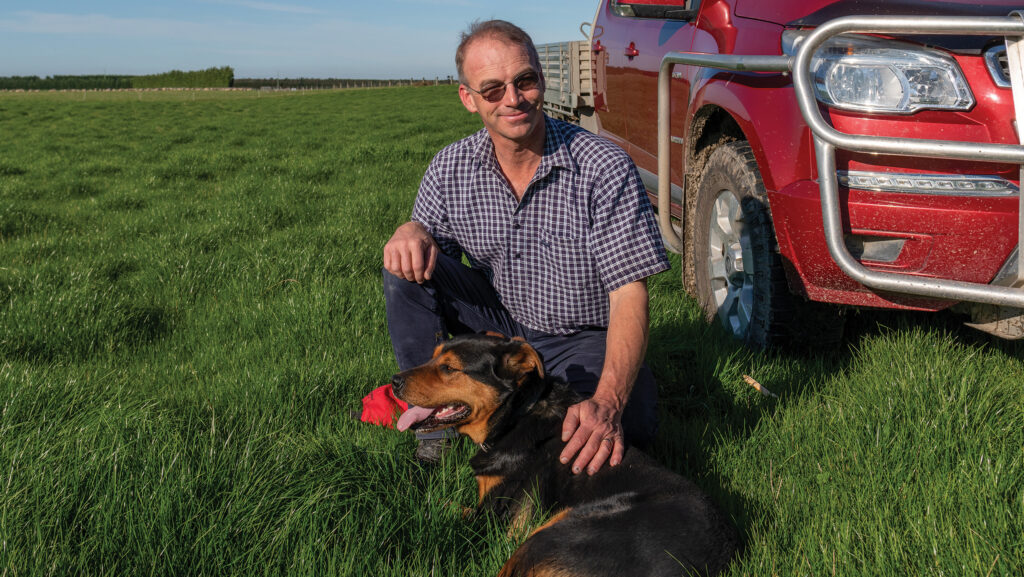 David Clark © Emmily Harmer
 We had a kind winter here at Valetta, no prolonged wet spells like the last couple of winters and stock have done well.
Spring growth of grass seed crops has been phenomenal and we are in the very fortunate position of having plenty of feed, and lambs at higher weights coming off greenfeed and onto grass seed crops.
See also: Advice on grassweed control for early wheat drillers
About the author

I often talk about stock in what is an arable focus column because livestock are vitally important to the viability of an arable system in New Zealand.
Lambs are currently achieving liveweight at 250-300g/day and we are averaging 26.3kg carcass weight so far this season.
The last of the ryegrass crops are closed on 1 November, so in the next five weeks we still have almost 6,000 lambs to finish.
This is our first spring without breeding ewes, so our work programme is somewhat changed with no lambing to do.
We have nearly finished constructing the new cattle yards and hope to have weighed all the cattle by the end of this week, which will give us some growth rate data for our first winter on kale.
The crops have come through winter looking good, and we are about a week away from plant growth regulators on autumn sown varieties.
Our cereals have found a very buoyant market in the dairy industry as they enjoy the third year of record high milk prices.
We will have all of the barley delivered by the end of September and wheat gone by mid October.
The truck is often away on deliveries through the day and then we load it again and I deliver a truck and trailer load of wheat to a feed mill five nights a week, leaving home after tea, which is very efficient use of time.
There is a lot going on here at present, with the spring progressing rapidly.
As we move away from many specialist seed crops, we have a much larger area of winter fodder crops going in and start cultivation in about three weeks.
The hamster wheel seems to be spinning quite quickly at present!