Farmer Focus: Harvest done, thoughts now turn to soil testing
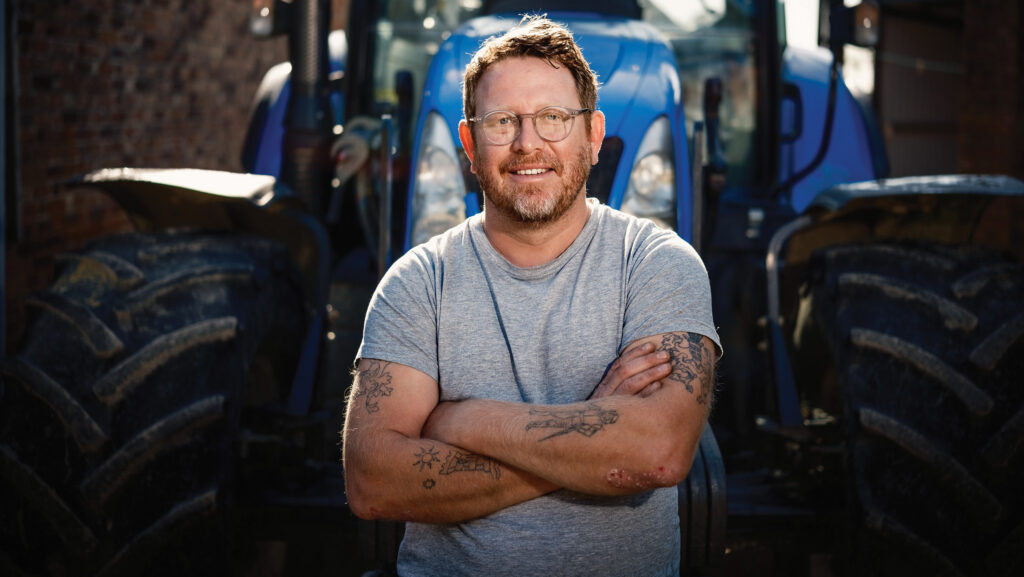 Anthony Becvar © MAG/Colin Miller
 Harvest is done and dusted. I was anticipating another dismal and disappointing year, especially having seen posts on social media of so many with underwhelming yields.
Happily though the oats seem to have held their nerve in the dry weather and, on paper, have weighed-in average, and above in some fields.
See also: Farmer Focus: New farm sign prompts neighbour comment
About the author

Thoughts now turn to testing. I need to arrange soil tests to ensure we’re on course with the usual indexes, as well as checking soil organic matter, not only for SFI, but to see if the straw chopping, compost spreading and cover cropping have made a difference.
I believe it has and think it is part of the reason we haven’t suffered a disappointing harvest. We farm on heavy Weald Clay, which notoriously clings to moisture, usually to our detriment.
But my thinking is that organic matter additions over recent years along with companions (including a slightly weedy undercarriage), have also helped retain some vital soil moisture. I also need to test my Johnson-Su bioreactors.
I have one that has been maturing for two years and one for just over a year. I’ll aim to test both for fungi:bacteria ratio and how many beneficial microbes each hold. I’ll then make an extract (with some additions) to be applied to home saved seed as it is cleaned.
I’ve done this before and work on a liberal coating of 4-5 litres/t. Much more and the grain tends to become sticky.
This approach has a very noticeable effect on initial root growth-rate and mass. I consider this the best use of JSB extract.
Spraying on leaves doesn’t achieve anything; direct addition into (not on to) the soil works, but contact with growing roots is where the beneficial microbes and secondary metabolites work their magic.
My agronomist and I have now been through about 16 different options for autumn establishment of the “Zen Crop”, but it’ll all be dependent on what happens with the weather.
Undoubtedly it will rain (this is the UK), but concern about when, its intensity and how long it goes on for is what gets me reaching for a cold can of cider at the moment.
Perhaps by my next article I’ll have made further progress (on the cropping and not just the cider).