Farmer Focus: I’m in the mood for analysing
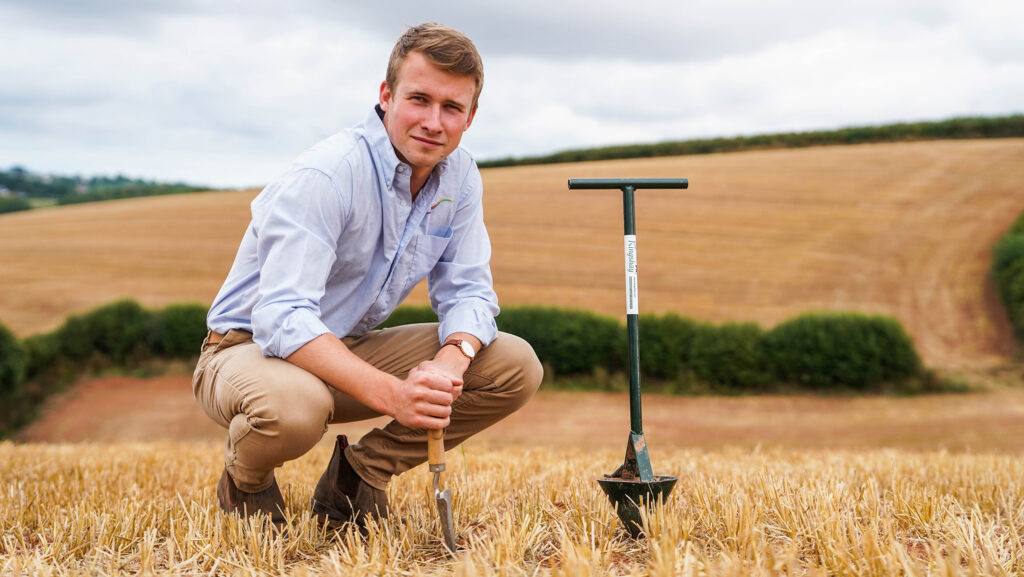 Richard Harris © Emily Fleur
 The rain has come and things have certainly perked up. The catch and cover crops are up in rows and looking reasonable. They should make a good cover before the winter shuts it down.
This is slightly frustrating, as it was drilled into the dust at the end of July and could have been a monster crop by now with some early moisture, and done as much cultivating as a sumo.
The linseed was cut four weeks earlier than normal. It’s hard to tell what the yield will be, but it’s looking like 1.5t/ha, so not a disaster. However, it’s still back on the 2.5t/ha we were striving for.
See also: Farmer Focus: It was one of those emails you dread
About the author

We’ve got compost and cattle muck to spread in the coming weeks, which is vital for our long-term soil health plan to feed the soil as much as directly feeding the cash crop.
I’ve recently had the compost analysed and was pleasantly surprised by the results. It has very similar phosphate and potash levels per tonne when compared to farmyard manure, although the crop availability will be lower as the breakdown will be longer.
It also comes with very high levels of magnesium, calcium and sulphur, so I’m hopeful we should start to see the benefits in consistent grain and straw yields. The pH of the product is 7.8, which I think is helping with our acidity levels, and we have not spread lime for a while now.
While I was in the mood for analysing, I sent a kilogram of grain to the labs for nutrient testing to see if there were any obvious holes in the nutrient levels. We do soil and leaf analysis throughout the season, but have never tested the end product.
Unfortunately, there was nothing obvious on any of the macronutrients. They were all medium to high with a few micronutrients coming in low. So, nothing is screaming that we missed anything last year. I think we’ll adopt a similar feeding strategy for the 2027 harvest and hope for better results.