Farmer Focus: Inspections just keep on coming
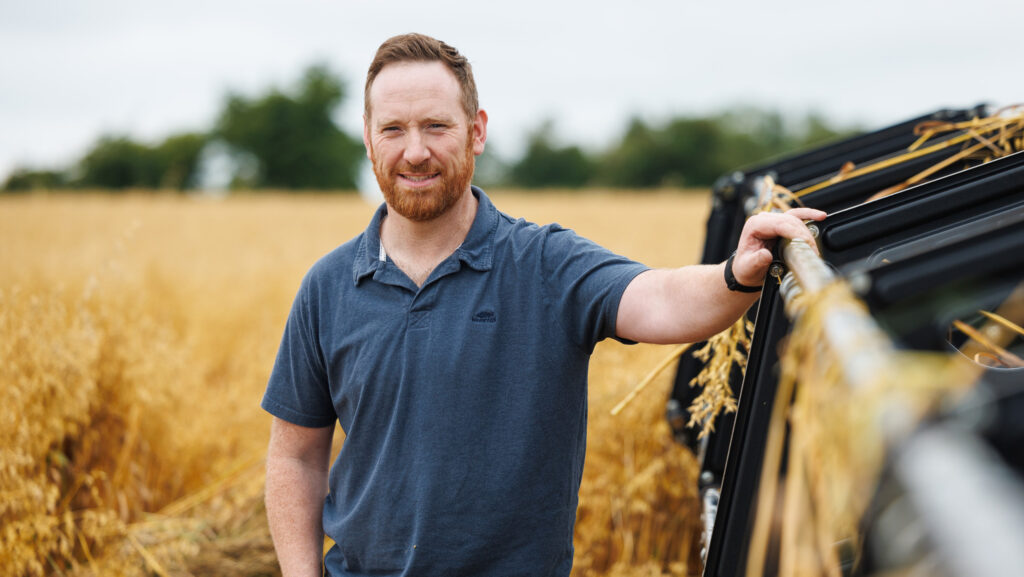 Peadar Whyte © Damien Eagers Photography
 We all love additional regulation and oversight on our farms. Face it, we simply don’t have enough, and the good news just keeps coming.
Our farm straddles two counties, and we’ve recently been asked to carry out separate water quality inspections from both county authorities.
Bear in mind, our farm consists of 14 people working together under seven father-and-son herd numbers, so the volume of inspections is effectively multiplied by seven.
See also: How 14 family business partners run a 1,600ha mixed farm
About the author

As farm payments have shifted towards sustainability, more inspections have followed. So far this year, I had an Agri-Climate Rural Environment Scheme (Acres) inspection and a Targeted Agricultural Modernisation Scheme (Tams) inspection.
Additionally, we undergo an extremely comprehensive annual horticulture audit that combines Bord Bia, Global GAP and Tesco requirements.
Consumers rightly expect food such as potatoes to be produced to a high standard, and keeping spray and fertiliser records is one thing, but on one occasion during an audit it was suggested that we should record how many times the toilet in our office is flushed.
Definitely the kind of information consumers need to know, right?
We already have a grain assurance scheme, but the wise minds in government are cooking up a new Bord Bia certification for Irish grain. Just what we need: another inspection.
Optimistic farmers hope it will add distinction and value to Irish grain. Unfortunately, that’s not how I see it working. Producers will advertise the certification to their advantage, even if only a small proportion of their grain is Irish.
Roughly 75% of feed used in Ireland is imported and is often cheap by-products, genetically modified, bought from deforested areas, grown using chemicals that are deemed unsafe for consumption here.
Many mills are so overbought on these cheap imports that they aren’t even buying Irish grain, yet Irish growers face endless quality audits and regulation.
To me, the whole thing feels like grain-washing, the agricultural equivalent of green-washing or even money laundering.
Like Uncle Benny’s Chinese restaurant in the old Lethal Weapon movie, you have a legitimate business as the front.
Meanwhile, the real business happens out back, and nobody asks too many questions.
Irish grain growers end up acting as the front for a system that relies heavily on imports while the dodgy cargo arrives at the docks and heads straight to the feed mills.