Farmer Focus: Is arable farming set to be a defunct industry?
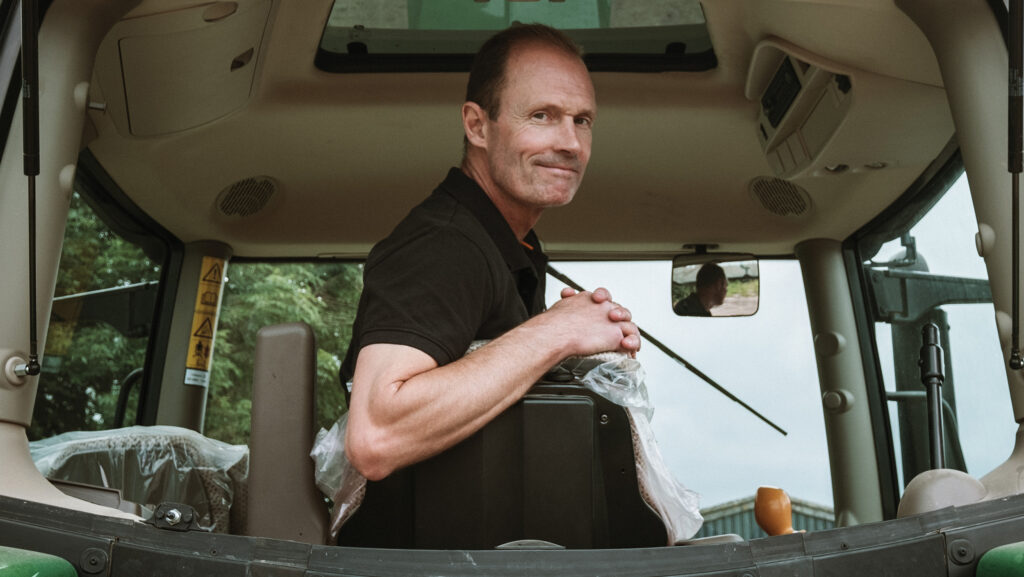 Andy Barr © Colin Miller
Woohoo! My SFI26 application was successful, and I have accepted the offer. Thank goodness, as some of my land really struggles in the extreme weather we are forecast to have more of.
Still though, the farmer in me is really pleased to see one field in particular that has been in legume fallow for many years due to its sandy nature, currently growing a vibrant looking crop of wheat.
See also: Rapeseed oil producer reveals how he grows a successful crop
About the author

The problem is, I know come a drought next spring, especially with the prices where they are, it will struggle to produce an economic crop and will be better off back in another environmental option.
I thought of this field on a recent trip to the Derwent Valley when I saw many a once magnificent wool mill now looking rather sad with that previous powerhouse of an industry now defunct, and I wondered whether British arable farming might go the same way.
However, I eventually found one such mill that had been converted and filled with life once more in a different guise and it reminded me of one theme of a recent Farmers Weekly webinar – that the only thing that is constant is change.
I have to accept that the best option for that field’s strengths is currently found in the SFI scheme. I have other diversifications, as most of us do now. It resonated with me when one of the webinar speakers likened many a farmer’s skills with the public to that of Basil Fawlty.
Maybe I should be glad there is a handy SFI alternative rather than me having to open the field up to annoying people barging their way through my carefully cut maize maze or making off with sunflowers they haven’t paid for.
I can’t help but hope though, and does the recent exhortation of the government to keep a stock of food for emergencies hint that the penny might be finally dropping? Has someone noticed the emperor is actually naked? Is home-grown food important after all?