Farmer Focus: I’ve reached farmer survey saturation point
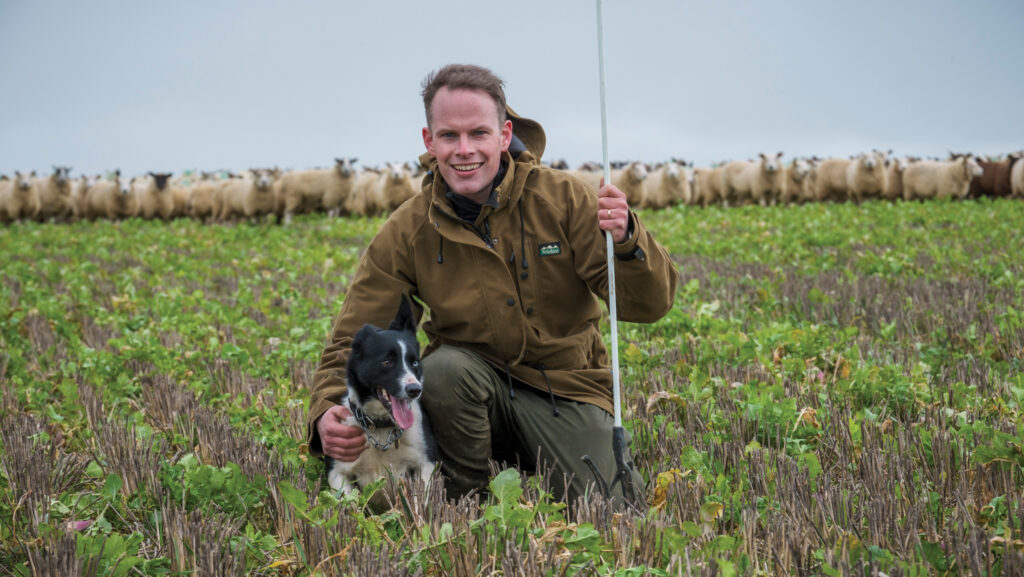 Robert Scott © Jason Bye
 Surveys seem to be filling my in-tray this winter. Despite barely having enough time to write my Christmas thank you cards, we are continually asked to feed back to our industry bodies.
I realise the likes of Red Tractor need an overhaul, and it is nice to have a say, but I’ve certainly reached survey saturation. Do they not know labour costs have gone up, my time included?
Speaking of which, I’ve had the delight of a questionnaire from my bank. They wanted to know who I was and what I did. I found this odd as I’d already had my annual face-to-face meeting with the bank manager, and submitted my accounts as usual.
See also: How to raise yields and trim costs for higher wheat margins in 2026
About the author

A continual stream of requests for further information has followed so I’ve wasted further hours going through switchboards and security questions. The local branches have gone, but I don’t think software has kept pace. Perhaps AI will fast-track all this box filling rigmarole?
I’m pleased Minette Batters’ report has finally been published. It is an impressively comprehensive review of the challenges we face. I am slowly working my way through its 155 pages.
So far, I’m shocked to see our industry contributes just 0.6% of GDP. This is a long way short of the 5% it was contributing back in the 1920s, during the last major agricultural depression.
Even by today’s standards as a post-industrial economy, our contribution is small in comparison to other western countries. The European average is 1.6%.
It has made me realise why British farmers are so undervalued by the state. We have been in managed decline. Perhaps we’ll become scarcer than the songbirds in our hedgerows.
In fact, go to a farming conference in the coming months and compare the number of farmers in the room to the number of professionals, consultants and advisers.
I can see why Minette Batters recommends the ONS include allied industries when assessing our true value.
My little boy Harry experienced his first Christmas. I was delighted by the number of farming-themed books, toys and clothes we received from family.
There can’t be many other industries so entwined in our children’s upbringing like agriculture. Perhaps it is the sense of nostalgia and our rural heritage.
Either way farming is special, and should be valued.