Farmer Focus: No-till has been a steep learning curve
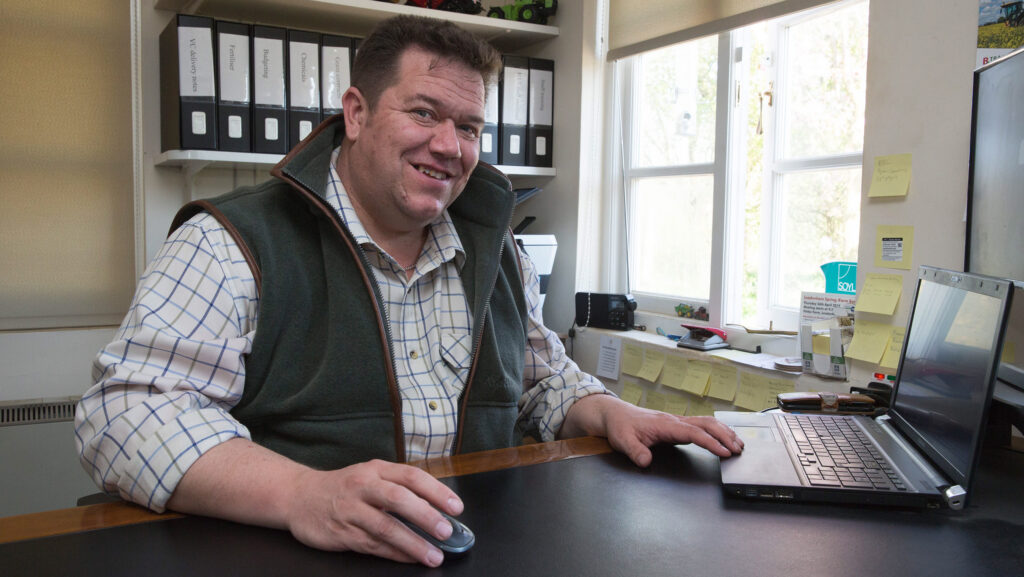 Keith Challen © Tim Scrivener
At the risk of speaking too soon, I have to say the farm looks well. Cropping this year consists mainly of winter wheat in an attempt to recover some profitability.
There is both one field of oilseed rape and one field of winter beans, which are potential seed crops for next year’s cropping should we decide to grow either.
See also: Tips on making every kg of fertiliser count next spring
About the author

Most of the farm is approaching a minimum of eight years’ break from oilseed rape and seven from beans at the rotation’s widest point.
Herbicide programmes have been modified where oilseed rape might potentially go to reduce the half life of residual herbicides in the soil, especially as we are likely to direct-drill the rapeseed.
The only other non-drilled parcel is 50ha of over winter cover crops, and if conditions allow that will be drilled with Skyfall winter wheat post-Christmas.
Follow-up herbicides have all been applied to moist soils. First indications show they are working well, with minimum blackgrass even where we’ve low disturbance subsoiled.
Any germinating blackgrass has been surface germinated and been taken out by pre-emergence herbicides.
For the second year running we’ve used a very low rate of seed-bed fertiliser from Agrii. It consists of phosphate and potash primarily with added P-release, zinc copper and boron and is drilled down the spout with the seed.
In a couple of fields, I switched the fertiliser off when drilling and the difference is noticeable with there being less top growth and root compared with where it was applied.
The whole idea is just to replace nutrients that would ordinarily be there if we’d cultivated.
Also, this year I made a conscious effort to move the drill half a coulter width from last year’s direct-drilling so the seed would be midway between last year’s rows. It has worked brilliantly.
No-till has been a steep learning curve, but it feels worth it.