Farmer Focus: Opting for new dairy as arable no longer pays
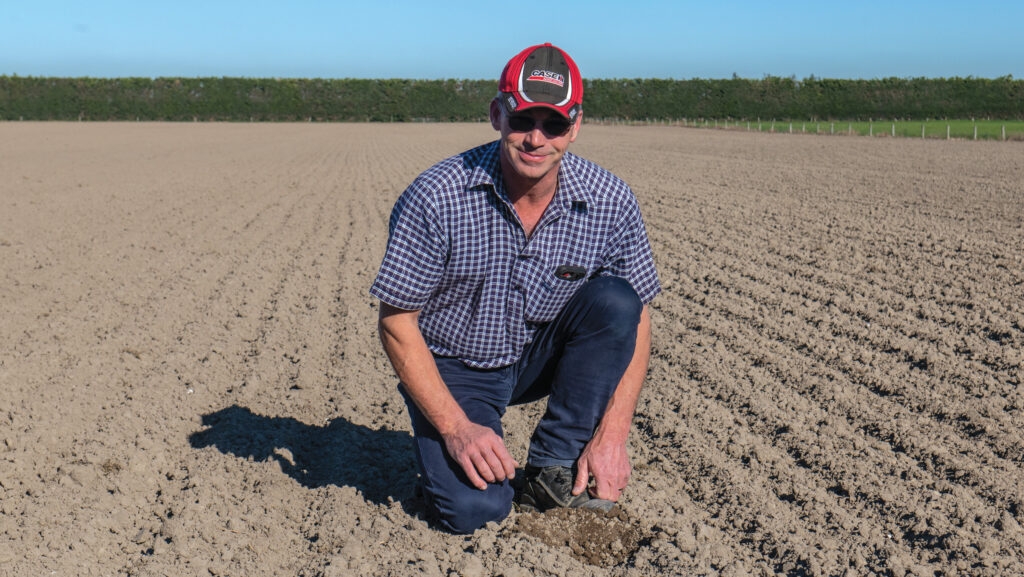 David Clark © Emmily Harmer
 We are actively working towards milking cows by July 2028, alongside desperately trying to find a way to remain arable farmers.
Likely with a simplified arable rotation and a greatly increased emphasis on livestock, both lamb and cattle finishing and dairy grazing.
See also: Farmer Focus: We need both the magic and the science events
About the author
We have fully costed all our arable crops, both on actual yield and five-year averages, right down to the last 100ml of chemical applied.
Most arable costing models look to gross margin – the result after direct costs.
The problem with this is that it does not account for the standing costs involved in running a farm, or the opportunity cost of the land we provide.
We have apportioned our non-direct and standing costs and set an opportunity cost of the land at 3%, which aligns perfectly with the rate we could lease the property out to a dairy farmer for heifer grazing.
The result is that most of the arable crops we grow are breaking even at direct cost level, and only two crops provided a return after standing costs and a land cost, and both of them are high risk. The figures are ugly.
Together with a couple of other growers, I have been taking the opportunity to meet (separately) with the firms we grow for and explain why we cannot continue growing arable crops.
There is no malice, and no argument needed, as the figures speak for themselves. The arable business is drowning, livestock is keeping us farming, and dairying offers returns unheard of in arable.
This isn’t a Valetta Farm problem, nor a New Zealand problem – this is a global issue in how we value food production, the power of the corporates and the greed of the dividend they demand.
There is room for them to move if they wish to retain an arable industry in New Zealand.
The numbers have been provided in good faith, and we will see if any response gives us reason to not be milking cows in two years.
I encourage other farmers to prepare and present their numbers as I am doing.