Farmer Focus: Short tenancy timescales not fit for purpose
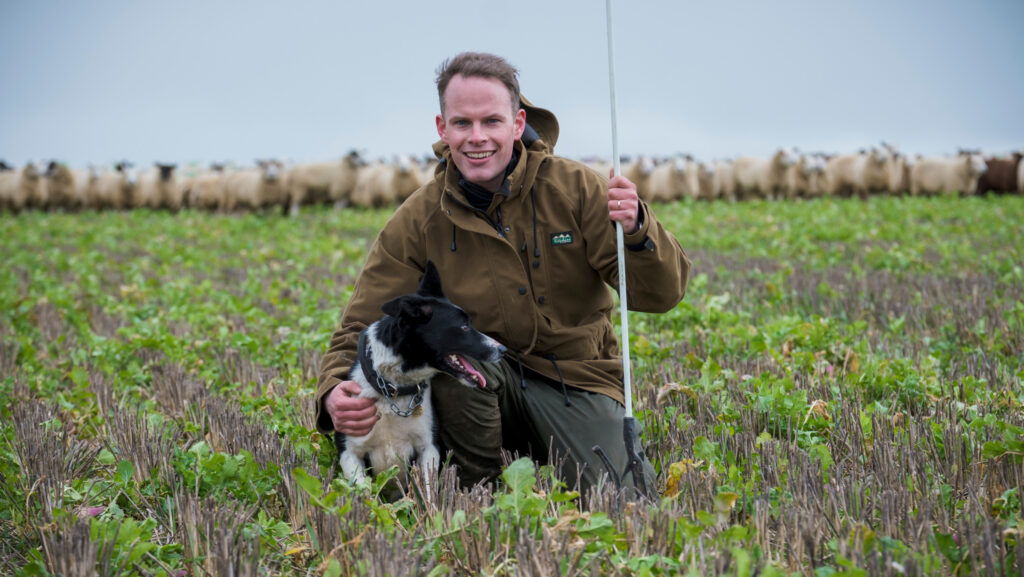 Robert Scott © Jason Bye
 The Norfolk weather has been its usual fickle self this month – temperatures hovering around 6C with enough rain to keep the soil tacky, and us off the land.
The machinery is greased and sitting in wait for that elusive window of dry weather.
We’ve had a frantic few weeks getting the last of the sugar beet into British Sugar’s Wissington factory before it shut.
See also: Cornish farmer puts variable-rate nitrogen tech to the test – Farmers Weekly
About the author

We’ve had some superb yields on some blocks of land, but others have come up short.
This has been largely reflective of planting date, soil type and rainfall.
There was a 50mm variance in 2025 between our customer’s farms.
Our 2,500 store lambs have kept my team busy with fences needing regularly moving around cover crops and turnips.
Beyond the fields, the policy disconnect continues to grate with me.
We are being pushed toward “landscape-scale” thinking, yet the tools we’re given are completely out of sync.
Landscape Recovery schemes offer agreements spanning up to 30 years.
Yet farm business tenancies and contract farming agreements remain stubbornly stuck in three- to five-year cycles.
Are these short timescales fit for purpose in 2026, when soil health is seemingly everything now? It’s a massive disconnect.
How can a business justify investing in high-tech machinery and nurture skilled talent, when security of tenure is shorter than a tractor finance deal?
We have a new tenant farming commissioner in Alan Laidlaw.
My view is the industry needs to go much further, building on the Rock Review and incentivise longer-term tenancies from landowners.
If the government wants a vibrant tenanted sector to lead on innovation, they must realise you can’t build a financially sustainable food business on a five-year horizon while the land next door is being recovered for 30.
For now, the policy can wait; my spring drilling won’t.