Farmer Focus: Watching crops melt away was heartbreaking
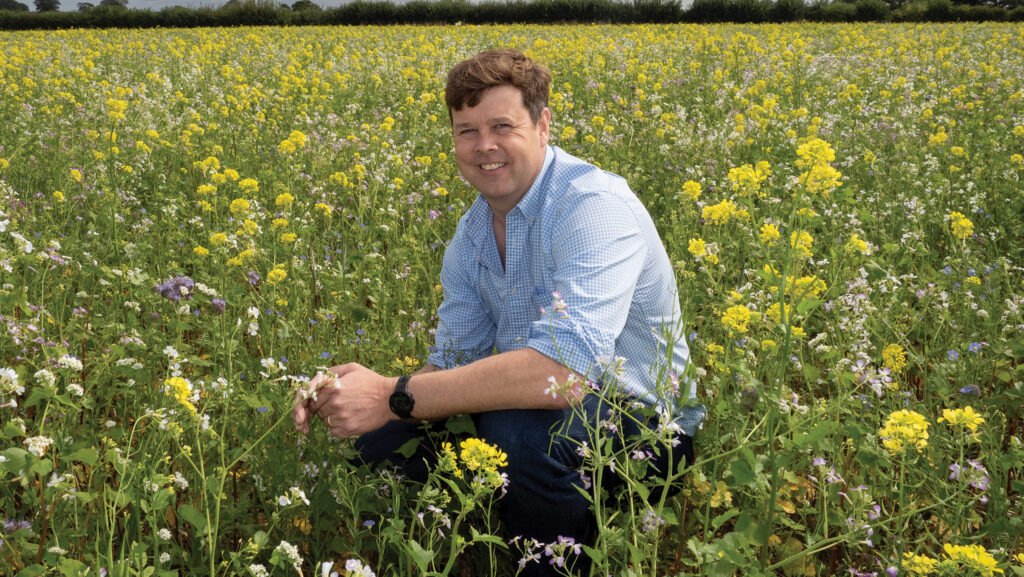 Robin Aird © Kathy Horniblow
 This harvest has been the ultimate giver of false hope. Crops looked full of potential, but high temperatures and a lack of rain, resulted in poor yields.
I always try to find positives in difficult situations and, more importantly, learn from each year. One thing this season has taught me is that even a large rainfall event in early June cannot compensate for high temperatures around flowering.
By then, the damage was done. I now believe extreme heat at the wrong stage of crop development can be even more damaging than drought itself.
See also: Did drought or heat have greater effect on crop yields this harvest?
About the author

Last week brought our fifth or sixth heatwave — I struggle to remember which these days — with temperatures reaching 36C. This effectively finished off the maize crop. We started foraging on 16 August and yields are 50% below budget. I thought maize liked heat, but clearly it needs water as well.
It is incredibly frustrating to see maize at 4ft tall in one part of a field and 8ft in another, with the main difference being the soil underneath. Sadly, there is very little we can do about this.
We have been building organic matter for more than 20 years and are at 8%, but with only 300mm of soil sitting directly on rock, even that can only do so much. Perhaps it gives us an extra day or two of moisture before the soil dries out, but ultimately there is only so much water available.
There have been positives. We saved money on fungicides and weed control on some crops as the weeds simply died in the drought. Diesel is more expensive, but we have saved on establishment costs for the following crop so far.
Our wild bird mixes, which went in during mid-June, have flowered well and have set seed. I expect more to germinate when the rain returns.
The negatives, however, are hard to ignore. I don’t think you ever get over that feeling in the pit of your stomach when you watch a crop with so much potential melt away. It is heartbreaking.
Cashflow for the next 18 months will be challenging, to put it mildly, and we are changing our rotations to make the farm more resilient to these conditions.
We must stay positive. But, year on year, it becomes harder. All we can do is learn and adapt.