Farmer Focus: Yields 30% down on 10-year average
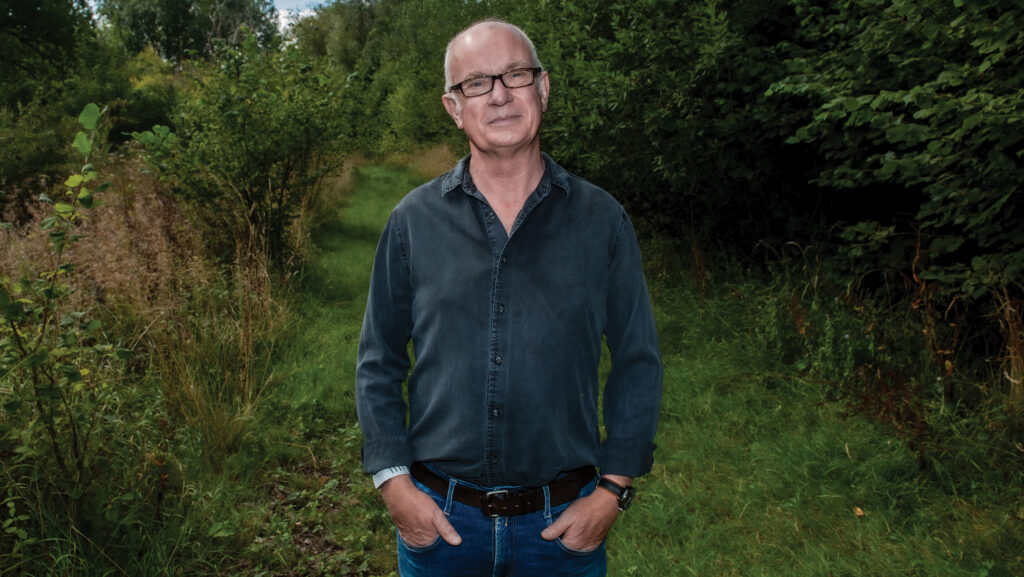 © Phil Weedon
 As across much of the country, harvest came early to Shimpling Park Farm this year.
It was hardly surprising, as all our crops came into ear at least a fortnight earlier than usual.
I am convinced the desperately dry spring had already done most of the yield-setting by the time an inch of rain arrived at the end of May, followed by another inch in early June.
See also: How mapping software could simplify and speed up SFI applications
About the author

Much of our rain fell in 5mm bursts and disappeared within minutes into our already baked soils.
Grain quality seems to be good, helped by crops remaining relatively disease-free, while a single pass with the inter-row hoe kept weeds under better control than we might have expected.
Our taller heritage wheat also stood well and was the only crop to achieve its budgeted yield.
Overall, however, yields were 30% below our 10-year average.
After 40 harvests, I should be used to the weather having the final say, but the economics are becoming harder to shrug off.
Producing food remains central to what we do, yet sentiment will not pay wages, repair machinery or justify taking on another season of climatic and market risk.
Therefore, we need an honest discussion about land use.
If we are being asked to provide more biodiversity, cleaner water, carbon storage, flood management, renewable energy or public access, farmers must be free to consider supplying those things instead of food where the figures make more sense.
That is not abandoning our responsibility; it is responding rationally to the signals we are being sent.
The uncomfortable truth is that food production now competes with a growing list of publicly desirable alternatives, many of which carry less risk.
We will always try to grow crops, but every hectare must earn its place. All options now deserve to be on the table.