Frontier Ag boss anticipates improved finances after tough year
 © Frontier Agriculture
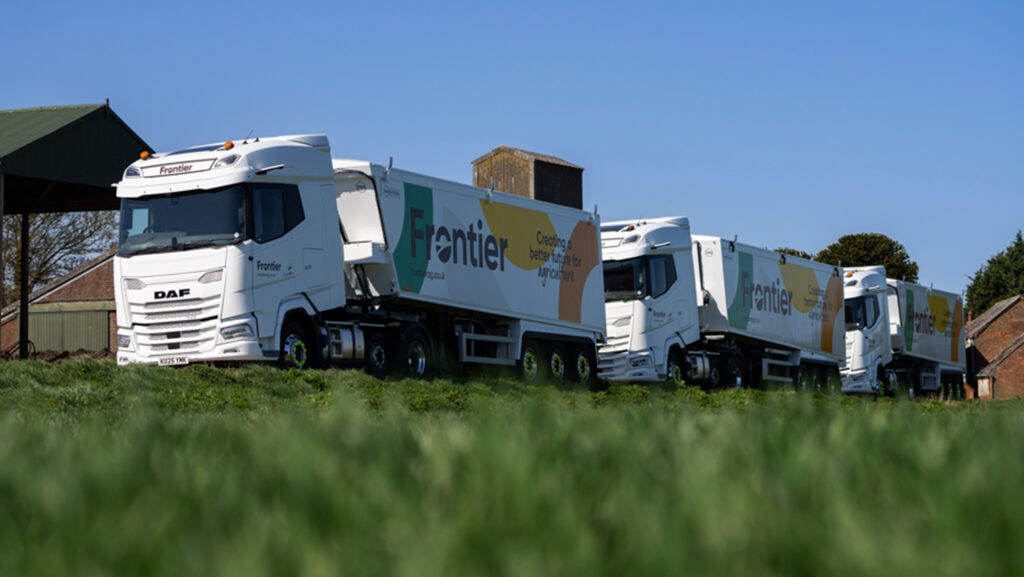
 Major agronomy and grain trading group Frontier Agriculture remains upbeat about the future for UK arable growers and its own business, despite a tough year with low prices and a smaller domestic crop.
Both profit and revenue fell at Frontier during the past financial year, but optimism is returning following a much-improved planting window for the current crop.
Frontier managing director Diana Overton said: “We understand our farmer customers have had a tough time for two years, but we’re not immune to the challenges that they’re facing, and it’s been a tough period for us as well.”
See also: ‘Challenging’ year sees profits fall at Frontier Agriculture
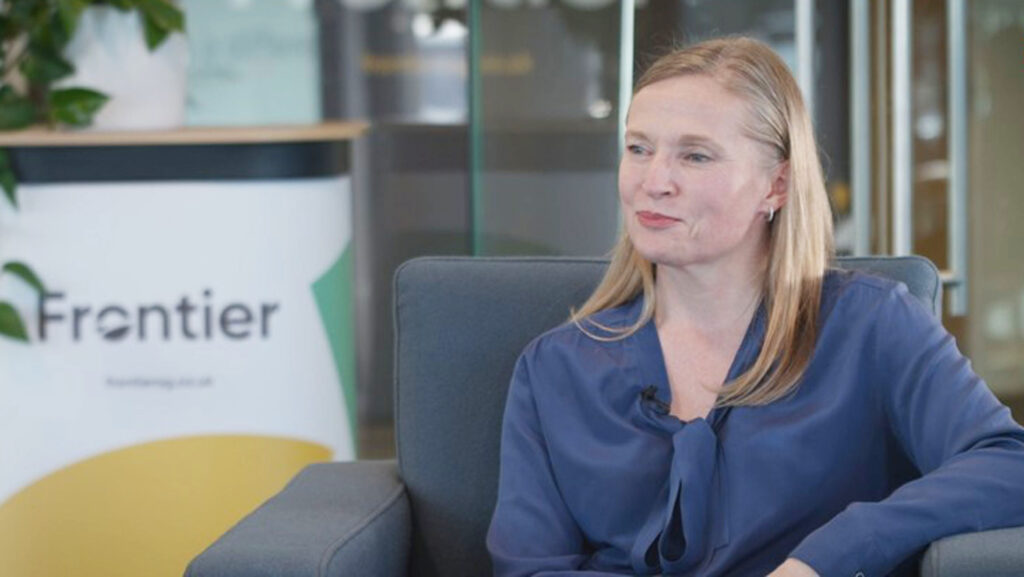
Diana Overton © Frontier
Looking ahead, Ms Overton told Farmers Weekly that she definitely expects to see a return to increased pre-tax profits for the business.
“We have a very good crop area established from the autumn in the ground at the moment, and it’s a significantly larger cropping area than we’ve had for the past two years,” she said.
“Coming into the spring right now, we are very well placed.
“As always it depends on what we get weather wise, but we’re cautiously optimistic for the spring season.”
Ms Overton conceded that low grain prices and a small crop last year were still having a drag on the grain-trading side of the business.
Frontier’s investment in Oxbury Bank has provided a “net positive in terms of profitability” due to Oxbury’s improved share price and growth trajectory.
Meanwhile, Ms Overton said Yagro Analytics and Navara Oat Mill – two of the company’s other recent investments – were taking slightly longer than originally anticipated to get to break even.
Strategy shift
Frontier Agriculture has put in place a number of transformation measures to help it return to growth and adapt to a changing marketplace.
However, Ms Overton was keen to reiterate that this new strategy was not a knee jerk reaction to the company’s financial position and had been developed over several years.
The strategy aims to be more customer-centric, invest in digital tools and data insights, and reposition the business to encourage growth.
“Our new strategy is very much about making it easier for our customers, whether it’s farmer customers or growing customers, to do business with Frontier,” she added.
Frontier also plans to expand its offering of sustainable supply chain contracts, which can pay farmers a premium above the milling wheat price for meeting certain growing conditions and providing data.
Ms Overton said these contracts can help fill the gap for growers following the withdrawal of some of the public financing through sources of private finance.
Clarity on farm policy
Ms Overton called on Defra to provide more stability on regulatory policy and for a clear commitment from government around food security.
“I think that would give farmers a feeling of being really valued and having purpose and understanding that government recognises the part that they need to play in ensuring we maintain our national security position, especially in this increasingly unstable geopolitical world that we currently find ourselves in,” she said.
She also urged for government policy to be adapted to ensure that imported grains are produced to the same standard as those produced in the UK.
Long-term opportunities
Looking ahead, Ms Overton expressed optimism for the future of the UK arable sector.
“I think there are fantastic opportunities for new entrants into our industry, whether that’s because of some of the technology developments that we’re seeing, or whether that’s because, actually, I think we’re through a lot of the pain from the post-Brexit repositioning and reset of the subsidy scheme,” she said.
She concluded that farmers understood that they have got to be more self-sufficient and resilient.
“Farmers are innovative by nature, so they are really working out the ways to do that and we are determined to play a part in that,” said Ms Overton.

Staying sharp shouldn't be a chore