Oilseed rape looks set to bounce back as crop area rises
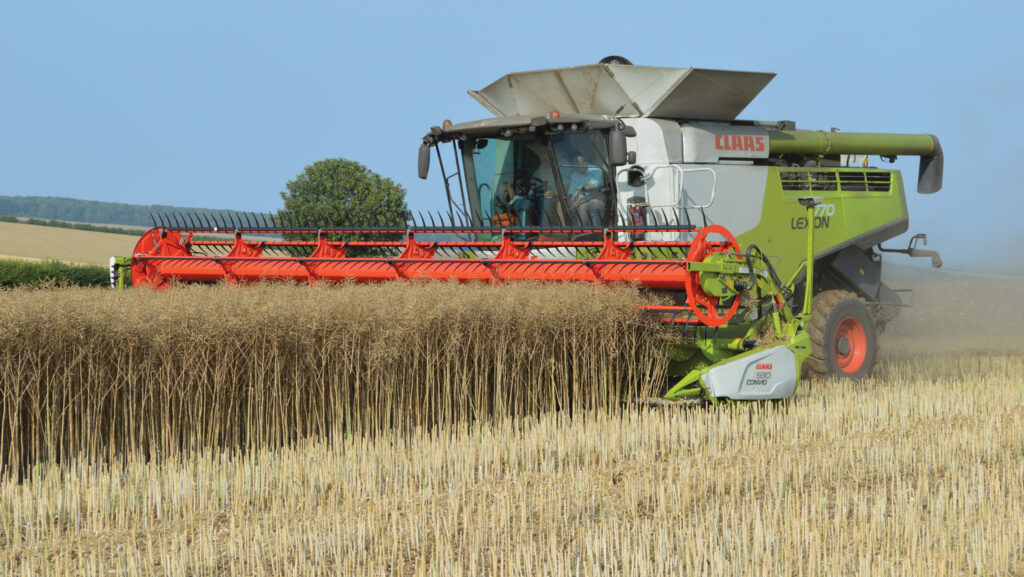 © David Jones
 Optimism is growing in the oilseed rape industry with this season’s crop area rising, buoyed by last summer’s high yields, firm rapeseed prices and reduced risk from one key damaging pest.
This season’s larger crop is looking well established this winter and is set to produce a harvest of more than 1m tonnes, which will help cut big imports of rapeseed into the UK.
The threat from the crop’s number one pest – cabbage stem flea beetles (CSFB) – is looking lower for the second successive season, and James Warner, managing director at co-operative United Oilseeds believes this and other factors make the outlook more promising.
See also: How Lincs grower reclaimed world record oilseed rape yield
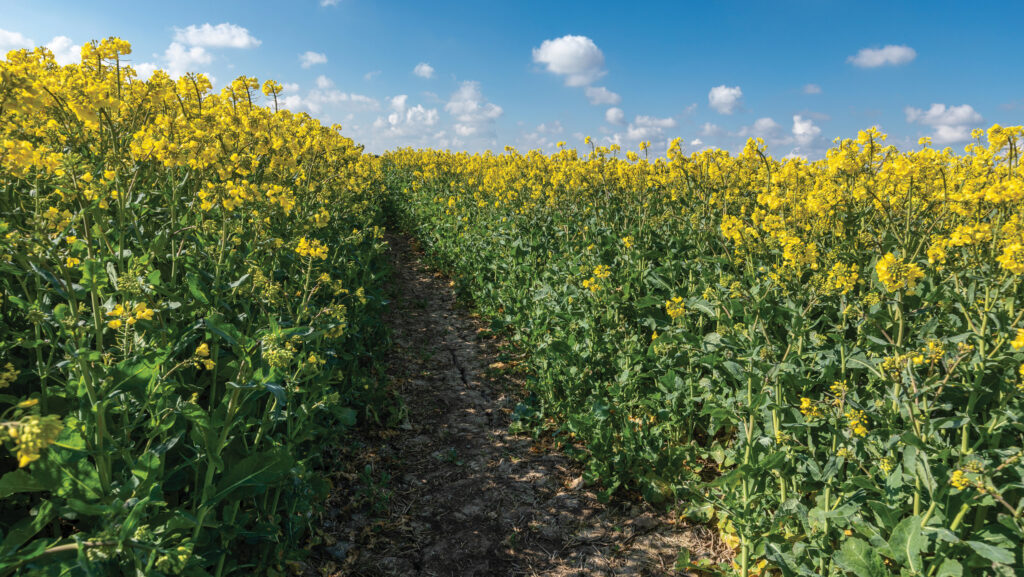
© GNP
“We are optimistic for the future as the UK is short of rapeseed, while the risk from CSFB has been reduced, and we are now targeting a 500,000ha crop in the next few years,” he says.
This season’s crop area is forecast to have risen 32% to 317,000ha from a 42-year low of 243,000ha at harvest 2025, according to the AHDB’s Early Bird planting survey. However, this is still falling short of the 756,000ha record crop at harvest 2012.
Harvest 2025 produced a rapeseed crop of 893,000t, well below domestic UK demand of 2m tonnes from oilseed rape crushers and feed compounders, which has led to the high level of imports being sucked into the UK. The record oilseed rape crop was 2.76m tonnes at harvest 2011.
Average rapeseed yields at harvest 2025 were up 30% at 3.7t/ha, which – together with less pressure from CSFB – encouraged oilseed rape growers to increase the UK crop area this season.
James says that rapeseed accounts for 43% of the UK’s edible vegetable oil market, but now more than half of this rapeseed is imported, whereas the country was self-sufficient in rapeseed only a decade ago.
This sharp fall in the oilseed rape area over the past 10 years was largely caused by the ban on neonicotinoid insecticide seed treatments from December 2013, which caused yields to drop due to CSFB damage, as experts worked on techniques to minimise pest damage without these seed dressings.
“Oilseed rape is a very important crop in terms of our food security and the impact on trade, so we are hoping to bring some life back into the oilseed rape industry,” he says.
Growing demand
United Oilseeds commodity trading manager Nick Hobson says there is a growing demand for vegetable oils in the UK and worldwide – with the UK growing nearly 1m tonnes of rapeseed, whereas there is a demand for 2m tonnes.
Domestic demand comes from three UK oilseed crushers – ADM in Erith, Kent; Cargill in Liverpool; and smaller operator Yelo, near Stratford-upon-Avon. Rapeseed is also used directly by animal feed compounders.
“There is a keen demand for the crop, farmers can always get a price quoted any day of the year. There are more and more people wanting to buy and there is plenty of room to replace imports,” he says.
Nick says the price of rapeseed has been relatively high and stable over the past few years, and so the crop is often the first or second most profitable combinable crop on farms, only challenged by milling winter wheat.
Rapeseed is currently trading at £100/t, more than twice the price of feed wheat, with the current ex-farm price of rapeseed about £415-£420/t. That is often increased by about 10% due to a bonus for high oil content.
Looking at price volatility, Nick says the price of rapeseed rose by 3.2% on the French future market in 2025. In contrast, milling wheat fell sharply by 19.3% on the same Paris market.
While there are global uncertainties due to political and trade risks, he adds that EU rapeseed prices are buoyant as the trading bloc only grows 20m tonnes of rapeseed, and there is demand for 27m tonnes.
James Warner and Nick Hobson were speakers at an AHDB/United Oilseeds conference held in York in early February 2026.