Destroy cover crops now to tackle flea beetle, farmers urged
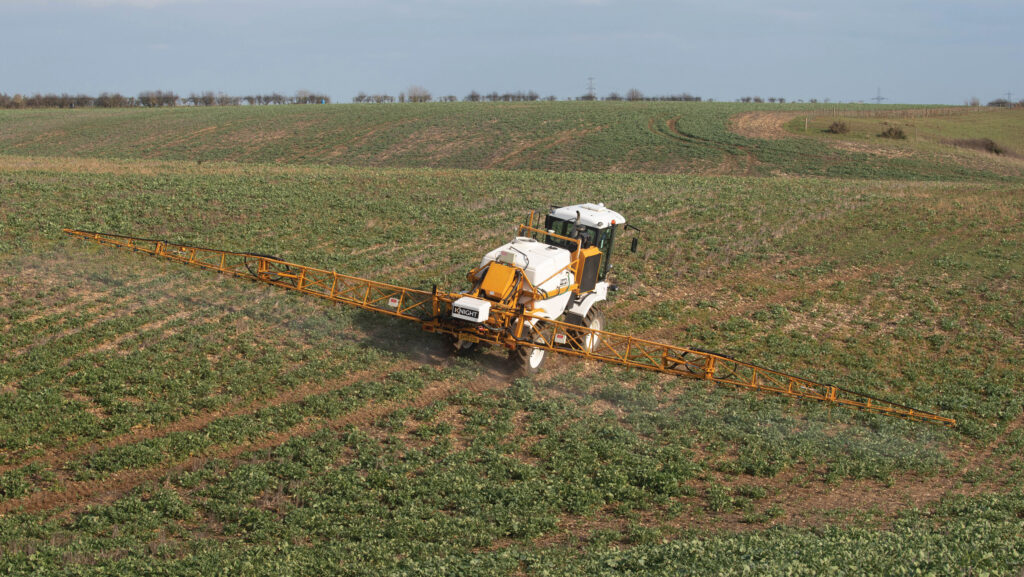 © Tim Scrivener
 Farmers growing cover crops are advised to destroy them in the coming days to help break the cabbage stem flea beetle cycle and minimise the size of the next generation of the pest.
Grainseed general manager Neil Groom says this will prevent larvae pupating in the soil during the spring to emerge as adults in August.
“Cabbage stem flea beetle adults can be found in all areas of the country now and, following a few difficult years establishing rape when we first lost neonicotinoid seed treatments, we are now getting better establishment and fewer crop losses,” he says.
See also: 10 latest tips on managing flea beetle threat in oilseed rape
Neil warns that farmers need to protect this improvement so that OSR will remain a profitable crop for growers in these challenging times.
Part of the industry-wide Reboot OSR strategy is to understand the cabbage stem flea beetle (CSFB) life cycle and reduce populations whenever possible.
And one of the recommendations was to destroy brassica cover crops before the flea beetle move to the soil to pupate, he says.
Growers are allowed to destroy winter cover crops under stewardship rules up to six weeks before drilling, so for spring barley that’s now.
Even for maize, where drilling started last year in the first days of April, covers can be destroyed by the end of February.
Neil says growers have three options which need to be implemented now
- Use lambs to recycle the biomass into meat and start the breakdown of carbon into plant available nutrients (dung). Sheep will eat a lot of the biomass, but the field will still need an application of glyphosate to ensure the field is weed free and blackgrass is controlled.
- Spray off using glyphosate. In large covers over 1m tall this may require two applications to control autumn emerged blackgrass in the base of the cover.
- Roll or crimp roll on a frost at 4am to kill the plants when the air temperature is below -5C.
The preferred option is for lambs to eat the covers as they will consume any larvae in the crop.
This can also generate a headage payment for the farm, from shepherds looking for opportunities to get sheep off-farm to reduce grass parasite loading and allow grass to grow early in the spring before lambing.
The scientists at Niab and Adas are sampling cover crop species this spring to see what larvae numbers are contained in different cover crop species.
“We know that the adults will lay eggs on any brassica species.
“With the improvement of cover crop mixes to produce more biomass and better winter grazing, we are seeing an increase in the use of tillage radish, forage rape and stubble turnips to give the sheep more of what they want.”
Neil adds that it’s about thinking strategically and for the wider good. “If everyone does this, we will minimise CSFB populations.”

Staying sharp shouldn't be a chore