Plant disease: Brown rust and sclerotinia are a threat
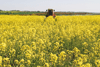
Sclerotinia in oilseed rape and brown rust in winter wheat look set to continue to be major threats for growers in 2008, according to speakers at the annual AICC conference near Coventry (7-9 January).
High incidence of both diseases during 2007 meant there would be plenty of inoculum around to infect plants this season, although much would depend on the weather through to spring.
“There is some sclerotinia already on plants,” said ADAS Boxworth’s Peter Gladders, who reckoned some oilseed rape growers, especially in the south west, would have to revaluate the farm’s risk status after the worst sclerotinia since 1991. “Farms with a history of bad sclerotinia have always been much more likely to suffer problems with stem rot, but after last year, many will move from lower risk to high risk.”
Some 20% of farms should consider routine treatment, he estimated, although risk would vary regionally. “For example, Scotland escaped the worst in 2007, but was hit badly in 2006, probably due to late attack.”
Petal fall was still the key time for infection, therefore sprays had to be applied at early to mid-flower, he said. But there appeared to be a second, later phase of infection in late May, although this was less well understood.
“Last year’s trials suggest all the main products applied at full rate wouldn’t let you down, although you do need to keep doses up, to at least three-quarter rate. The signs are that you can go early and still get good persistence if you do.”
Rosemary Bayles of NIAB painted a similar disease outlook for brown rust. “There’s potentially plenty of inoculum carried over from 2007, the same virulent races are present and many susceptible varieties (eg Alchemy, Solstice, Cordiale, Einstein) are still being grown. A lot of the boxes are ticked, but we’re only part way through winter, so a lot could happen yet.”
Brown rust‘s impact last year was particularly damaging because the disease came into crops so early – around a month earlier than normal, she said. “A lot of people misjudged their T0 spray and had problems catching up with the disease as the season went on.”
Warm, humid conditions would favour brown rust development this year, but “average” weather for the rest of winter could prevent the disease from reaching the levels seen in 2007, she noted.
Verticillium wilt is one to watch out for
The first official case of verticillium wilt in UK oilseed rape was confirmed last year and the disease’s development needs to be watched closely, Peter Gladders of ADAS advised.
Crops in southern England were at greatest risk from the disease, which typically infected crops during the autumn and moved into the plant’s stem system during early stem extension. “It’s a wilt disease, so the worst impact will be seen in years with high summer temperatures and drought, which put the plant under stress.”
Verticillium was a problem in Sweden, where up to 50% yield losses had been reported, he noted.
“It’s not a major threat to the UK yet, but rotation seems to be the only angle of control at the moment, so it is certainly one to look out for going forward.”