New potato blight fungicide to be launched next spring
 © Blackthorn Arable
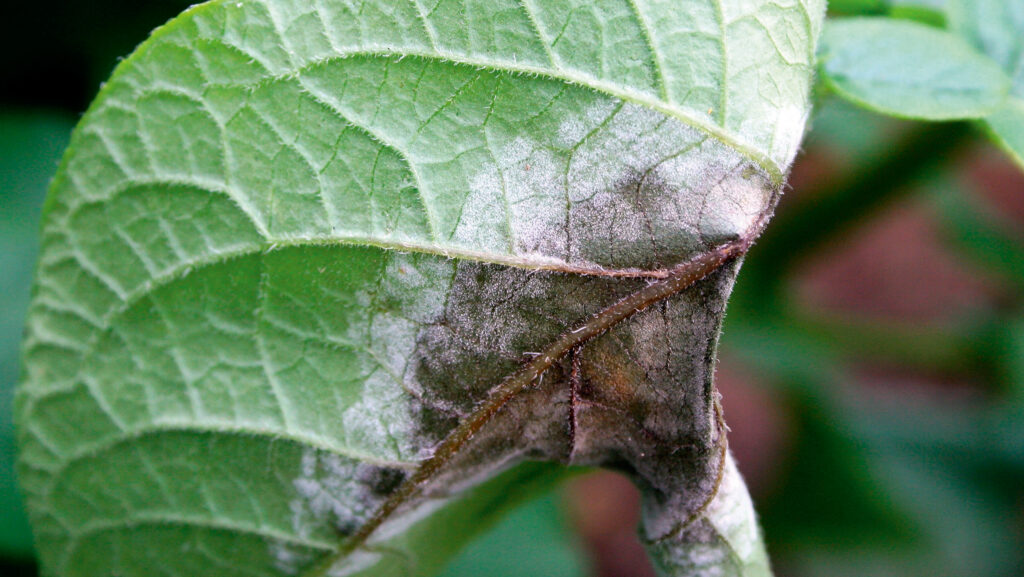
 Areli, a new fungicide for late blight control in potatoes, is registered for use in the UK with a full commercial launch set for spring 2027.
Developed by Certis Belchim, the new product contains two active ingredients – valifenalate and cyazofamid – which complement each other through their different modes of action.
Cyazofamid works directly on the pathogen, disrupting energy production and inhibiting disease development.
Valifenalate has direct fungicidal activity but, importantly, it also acts as a plant health elicitor, which stimulates the potato plant’s own defence mechanisms against pests and disease.
See also: What could the future of crop protection look like?
Together, the two active ingredients combine direct activity against the pathogen with plant-defence priming.
“The product is fully systemic and moves within new growth. It provides good stem coverage and spreads within the canopy and into new leaves, with good concentration towards the leaf tips.
“This is important because leaf tips can be important sites for the initial development of late blight infection,” says Ed Bingham, global crop manager potatoes and beets at Certis Belchim.
“Late blight is constantly changing, with new strains and genotypes emerging.
“Some populations are more diverse and aggressive, making disease control increasingly challenging. That’s why we are excited to introduce Areli.”
How the plant elicitor effect works
“Areli primes the crop, allowing the plant to activate its defence mechanisms faster and produce a stronger response,” he highlights.
Plant elicitors are emerging as an additional tool that could strengthen integrated disease management programmes.
Valifenalate is the active ingredient linked to the fungicide’s plant elicitor response.
This triggers defence signalling pathways and increases the expression of defence-related and pathogenesis-related proteins.
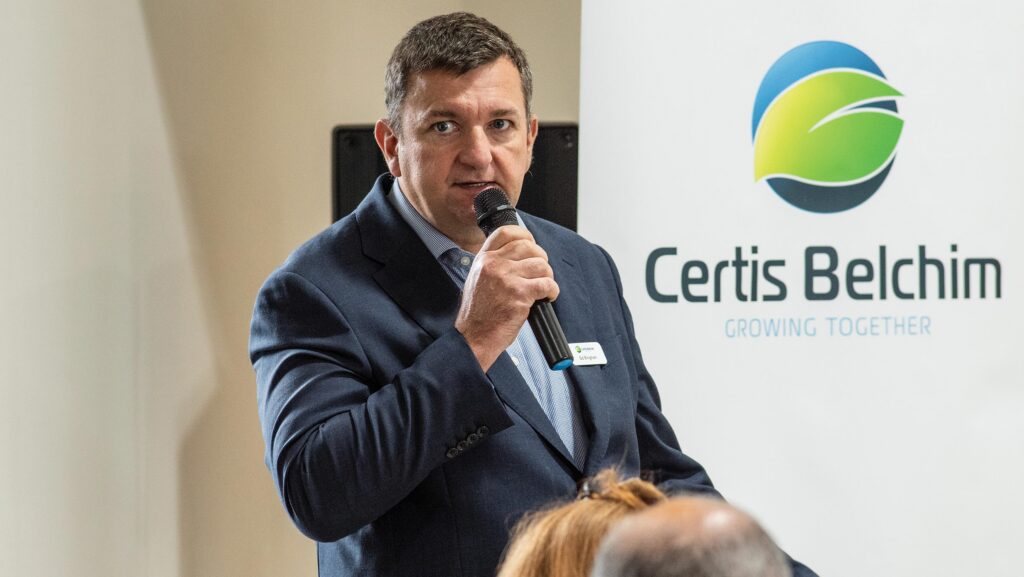
Ed Bingham speaking at Arable Insights Live © Phil Weedon
“Elicitors are compounds that stimulate the plant’s natural defence. They are recognised by receptors on the plant cell surface, which trigger signalling pathways and activate defence-related genes,” explains Ed.
These responses include the production of antimicrobial compounds and strengthening of the plant cell wall, which helps create a stronger physical and biochemical barrier against infection.
Salicylic acid is an important signalling molecule involved in plant defence which begins to accumulate when the plant defence system is primed.
This signalling activates other defence responses in the plant, contributing to systemic acquired resistance. This can make the plant more prepared to respond to disease infection.
Repeated or continued stimulation of the plant’s defence system primes the crop, allowing it to respond more rapidly and strongly when it encounters a pathogen.
Activation of programmed cell death at the site of infection also helps restrict pathogen spread while the effectiveness of the response depends on the pathogen and the timing of the plant’s response.
A growing biological and nutritional portfolio
Certis Belchim also has a growing biostimulant portfolio:
PhosN
A microbial biostimulant designed to work in the root zone, helping to mobilise fixed and organic phosphorus in the soil, while supporting biological nitrogen fixation and improving potassium availability.
Its multi-strain microbial consortium supports nutrient availability and root development, helping the crop make more effective use of nutrients in the soil.
C-Bio Grow
A seaweed-based liquid biostimulant containing 100% pure cold-extracted Ascophyllum nodosum, designed to support crop growth and vigour and help crops during periods of abiotic stress.
The cold-extraction process helps retain naturally occurring compounds within the seaweed, supporting consistent biological activity.
This report is from Farmers Weekly’s Arable Insights Live: Potatoes event on 17 September at Dyson Farming Research, Lincolnshire