How peas and beans can affect soil health and following crops
 © Tim Scrivener
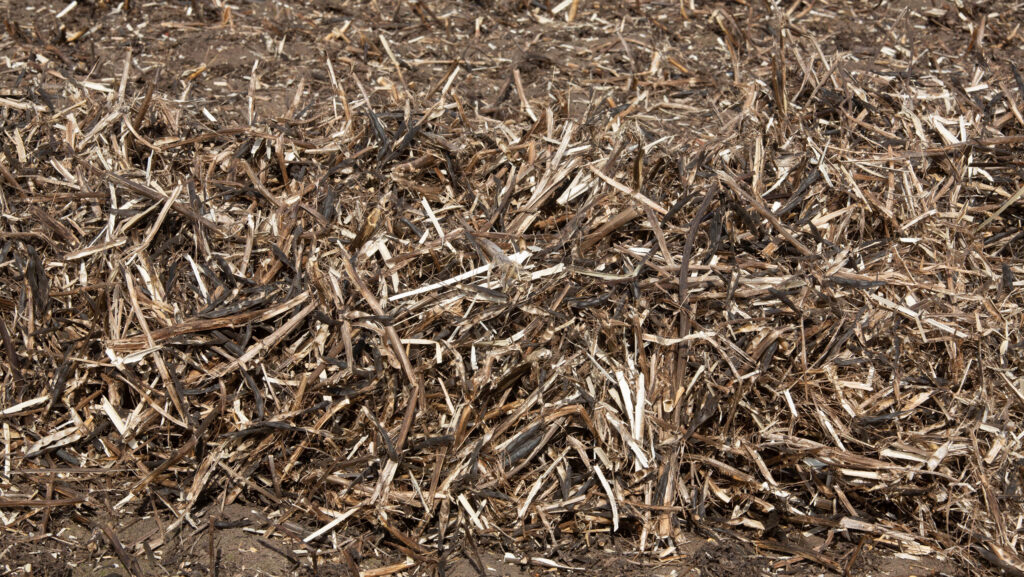
New research shows that the remains of pea and bean crops left in fields after harvest can affect soil health and how well the next crop grows.
Researchers from The James Hutton Institute and the Universidade Catolica Portuguesa in Porto studied different varieties of peas and beans to see how crop residue influenced the soil and a subsequent barley crop.
See also: Winter beans beat wheat gross margin for northern grower
Pea and bean crops are already valued for adding naturally acquired nitrogen to the soil, reducing the need for manufactured fertilisers.
However, the institute’s researcher Professor Pietro Iannetta says the research data shows that phytochemical diversity also influenced post-harvest soil processes, with crop residues affecting key biological and nutrient cycles.
For example, moderate amounts of residues from some pea and bean varieties boosted soil microbial activity, improved nitrogen availability and helped barley growth comparable to that achieved with synthetic nitrogen fertiliser.
However, very large amounts of residue had the opposite effect, reducing microbial activity, lowering nitrogen availability and slowing barley growth
Another finding highlighted by Pietro was that residues rich in phenolics appeared to change the way nitrogen is used below ground, making the nitrogen available to plants over a longer period. These compounds can affect both soil and gut health.
This impact on gut health is the reason why such phytochemicals are being bred out of the most cultivated pulse crop varieties for mainly monogastric (poultry and pig feed) markets.
“Consequently, we should work to understand the impacts and trade-offs of this major influence,” says Pietro.
The researcher notes that the highest residue levels tested were far greater than those typical found on farms and were included to better understand soil processes. Lower residue levels are, therefore, likely to be more relevant to practical farming systems.
Looking ahead, work is needed to determine how these effects develop over several growing seasons, as the study examined only the first eight weeks of barley growth under controlled conditions.
The team also wants to explore how crop residues affect greenhouse gas emissions, soil carbon storage and long-term soil health.
Key points
- Different pulse crop varieties leave behind different soil legacies, meaning some may benefit the following crop more than others.
- These differences could give plant breeders with a new selection criterion, alongside yield and disease resistance.
- Growers could in future select varieties based on their contribution to soil health and future crop performance.