3 farm diversification options with low capital demand
 © Megan Townley
 With many conventional crops and livestock enterprises facing tricky times, other markets may be worth considering, as some can bring in additional cash without a great deal of investment.
We look at three options that farmers can take advantage of.
See also: How dog field diversifications can bring in the cash on farm
1. Seeds and plants
The market for wildflower and other native seeds and plants is growing, as conservation initiatives expand and demand rises to meet the requirements of schemes such as biodiversity net gain (BNG), the Sustainable Farming Incentive, Countryside Stewardship, Higher Level Stewardship and other initiatives. Demand from gardeners is also growing.
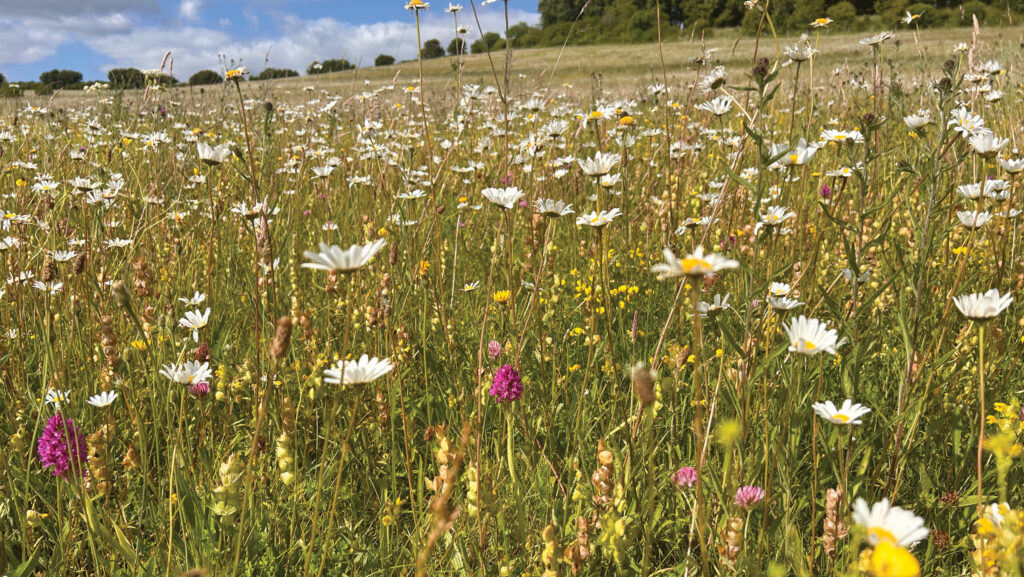
There are few suppliers in this expanding market, with new ones moving in recently. At Bright Seeds, wildflower seed development manager Megan Townley is looking for new meadows to harvest, as 50% of the expected 2026 harvest is already sold.
This is a higher pre-sold proportion than in any other year, says Megan, with an estimated 60-70% being used for BNG habitat creation.
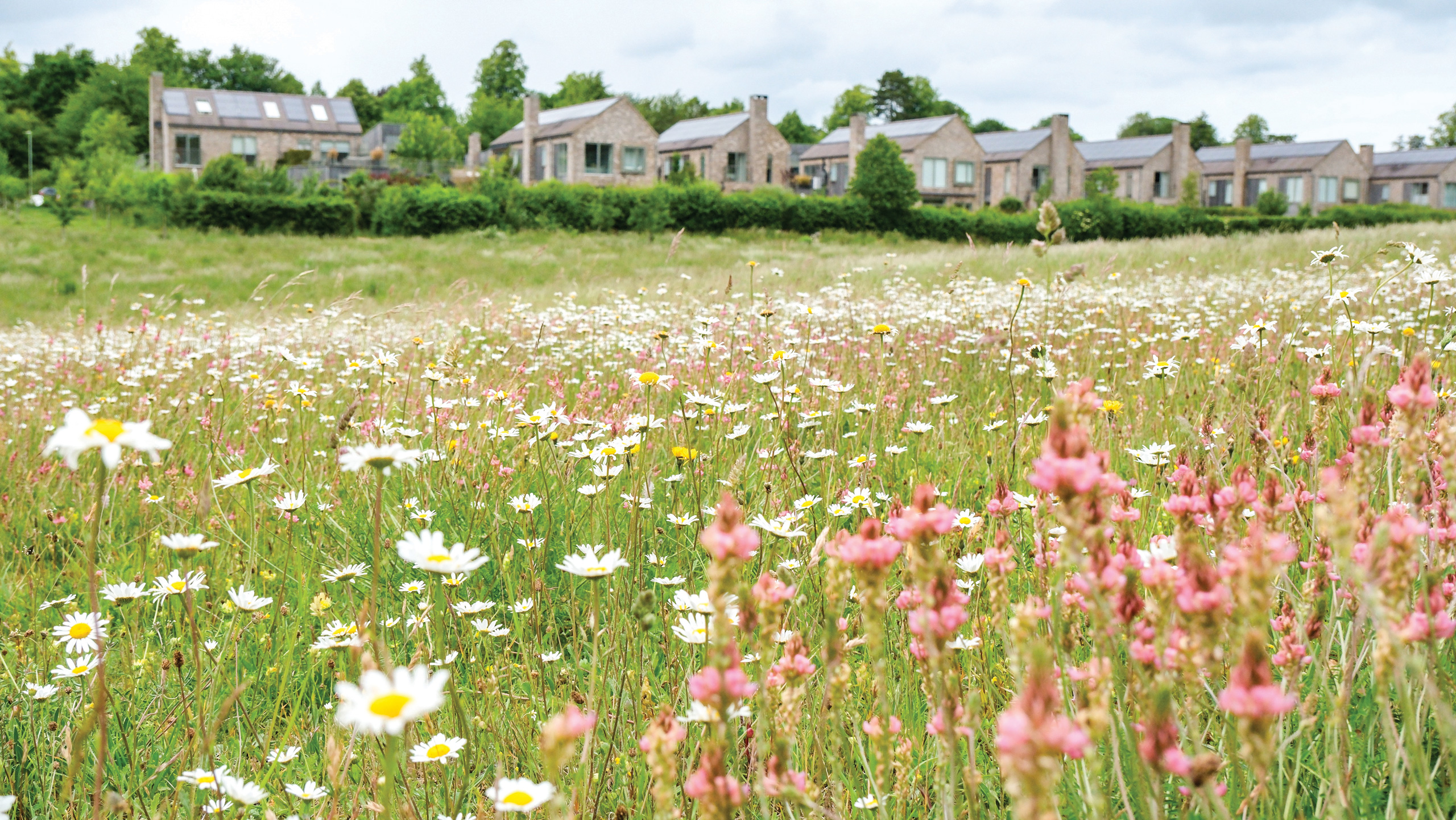
The company is unusual in that its seed is harvested from existing swards, which include a range of the required species, rather than sowing to produce a wildflower seed crop.
While a 10ha plot is preferred, the Wiltshire-based company will consider 4-5ha or even down to 3ha for a particularly good species range.
© Megan Townley
“A 10- to 15-species mix/sq m, well spread across a site, is ideal. We’re looking for a diverse range,” says Megan. “Where people have several fields, we can rotate the harvest between fields for sustainable harvesting practices.”
Flood plain meadows are particularly in demand, as they are not so easy to find. The company will consider sites within 100 miles of its processing plant at Salisbury.
The obligations of the host farm are simply to shut the sward up from grazing, usually from mid- to late March, depending on the species mix, through to after the seed is harvested, which is from easy July to mid/late September. The sward can then be baled or grazed again.
The combining is done by Bright Seeds, with a 2.4m header trials combine, followed by drying and cleaning by the firm.
Payment is by the kilogram of cleaned harvested weight, which can vary significantly depending on the weather, says Megan, with 2023 being a good yield year but 2025 a poor one. Average payments to farmers for past three seasons demonstrate the range:
- 2023 £818/ha
- 2024 £586/ha
- 2025 £428/ha
Case study: Weir Farm, Wiltshire
James Hussey has been working with Bright Seeds for eight to 10 years with wildflower seed from a 20ha field on his 445ha arable holding between Swindon and Marlborough.
He established the meadow about 20 years ago, after harvesting seed from an area on a local airfield that had seen no agricultural inputs for 50 or so years.
This provided many of the species needed and was topped up by buying in seed for a further five species, in particular yellow rattle, which competes with the grass, allowing other wildflower species to grow.
The thin downland soils offer the low nutrient status needed to encourage wildflower development, says James, and the land is also in a Sustainable Farming Incentive wildflower option.
In winter the meadow is grazed by horses – the farm’s livery enterprise hosts about 100 horses – and it is shut up in mid-April to allow the wildflower seeds to develop. After harvest by Bright Seeds, it is baled.
Payment for the wildflower seed harvested makes this a viable option for this otherwise minimally productive land, he says.
He sees this as more than a diversification or alternative use of the land, because of the great increase in habitat it provides for species such as corn bunting and skylark, which are absent from his neighbouring arable fields.
Impact of nationally significant infrastructure projects
From November this year, nationally significant infrastructure projects will be obliged to offset their impact by providing a minimum 10% uplift in biodiversity through the biodiversity net gain (BNG) system.
This is expected to raise demand not only for wildflower seeds but also for tree and hedge plants, providing a boost for home-grown supplies of this type too.
2. Rent a Room Scheme – £7,500 tax-free income
While not strictly a diversification, the Rent a Room Scheme is a government initiative that allows up to £7,500/year to be earned tax-free by letting a furnished room in your main home to a lodger.
If the home is shared with a partner, spouse or co-owner, the individual tax-free allowance is halved to £3,750.
The scheme is open to owners or tenants. However, expenses like maintenance or utility bills cannot be deducted for tax purposes under the scheme.
This is an opportunity, for example, to offer accommodation to agricultural college students or any lodger who would fit with the household, suggest advisers.
The £7,500 limit includes any amount received for meals, goods and services, such as cleaning or laundry.
If gross receipts are more than £7,500 (or £3,750), taxpayers can choose how they want to work out their tax by either:
- A: Paying tax on their actual profit — total receipts less any expenses and capital allowances
- B: Paying tax on gross receipts over the scheme limit — for example, gross receipts minus £7,500 (or £3,750). However, no expenses or capital allowances can be claimed with this method.
HMRC will automatically use the actual profit (A) to work out the tax. Those who want to use the second method need to inform HMRC of this within a time limit.
3. One-off events option
Hiring out a field or farm building for an event can bring in cash, but location, access and safety need careful consideration.
Boot fairs, trade shows, sporting events, vehicle shows and rallies are just some of the candidates for short-term uses of land, which can usually operate under permitted development planning rules, which allow alternative uses for no more than 28 days a year.
“Consider any disturbance and potential effect on neighbours and the risk of the state a site might be left in,” advises Emma Powlett, chair of Anglia Rural Consultants. She adds that a tight contract is needed to cover these aspects, catering for any damage or waste issues.
Public liability insurance of both the farm and the event organiser should be considered, and the farm’s insurer informed of the event, as farming insurance usually covers only the business of farming. Allied to this is the risk of cancellation of an event.