Budgets show SFI vital to farm financial performance
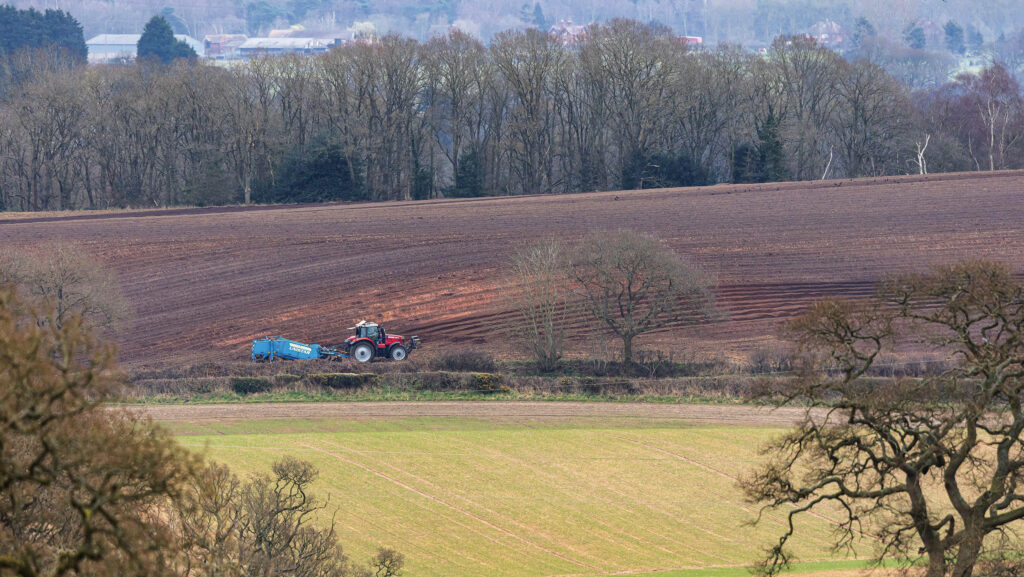 Higher than viable arable rents are still being offered, says Andersons © Lee Hudson/Alamy Stock Photo
 The challenges of making a profit in many sectors are illustrated by the latest set of forecasts from farm business consultant Andersons.
Most of the financial pain over the past few years has been felt in the combinable crop sector, but overall there is a huge variation in performance in individual businesses across all farm types.
See also: Growing number of farm kit sales shows scale of restructuring
Andersons’ Loam Farm model, based in the east of England, has 600ha of combinable crops, 240ha of which are owned, and is set to make a business surplus of just £40/ha from the 2026 harvest, with this to cover any reinvestment needed in the business.
This is after £122/ha of income from the Sustainable Farming Incentive (SFI) scheme.
Without this the business loses £83/ha from its farming operations, mainly as a result of higher fertiliser and fuel prices, and other overhead costs.
These were offset in only a very minor way through a small rent reduction being negotiated on the back of the low profitability of recent years.
The 2026 budget for the farm is the third in a run of poor seasons, all showing a loss from the farming operation before the SFI contribution and rapidly dwindling Basic Payment Scheme (BPS) income.
The 2027-28 budget for Loam Farm relies on the business getting access to an SFI26 agreement, as its current agreement expires this winter.
As for all other applicants, there is no guarantee of this.
“If the farm is not successful in its application (e.g. the money runs out too quickly), then this would leave a large hole in Loam Farm’s finances for 2027,” says Richard King, partner and head of business research at Andersons.
Financial challenges are being felt across the UK and there remains a need for reinvestment with ageing grain stores, drainage and kit on many farms, he says.
“There are signs that the sector is restructuring, partly from the number of farm machinery auctions advertised. People are giving up land or retrenching to achieve better profitability.
“This is starting to have an effect on rental values but the movement is slow. Many still seem willing to offer rents on land at values that are unviable in the current circumstances.
“Technical performance is key to profitability – simply undertaking ‘cost cutting’ can see output compromised.”
Loam Farm model |
||||
|
600ha combinable crops; 240ha owned, 360ha farm business tenancy (FBT), owner plus one full-time worker and harvest casual |
||||
|
£/ha |
2024(1) |
2025(2) |
2026(3) |
2027(3) |
|
Output |
1,377 |
1,362 |
1,454 |
1,682 |
|
Variable costs |
547 |
542 |
553 |
639 |
|
Gross margin |
830 |
820 |
901 |
1,043 |
|
Overheads |
601 |
634 |
628 |
663 |
|
Rent and finance |
266 |
264 |
267 |
225 |
|
Drawings |
86 |
89 |
89 |
89 |
|
Margin from production |
-123 |
-166 |
-83 |
39 |
|
BPS plus SFI(4) |
93 + 95 |
12 + 122 |
1 + 122 |
1 + 110 |
|
Business surplus |
64 |
-33 |
40 |
150 |
|
(1) Result (2) Estimated (3) Budget (4) SFI payment is shown gross – costs of compliance are in farming costs Source: Andersons |
||||
After a much better year financially in 2025-26 the mixed farm model, Meadow Farm, based in the Midlands, looks set to drop to a margin from production of £95/ha in the current year, boosted to a respectable £276/ha once SFI income and a very small BPS payment comes in.
Most of the crops grown here are for feeding but variable costs are up after the purchase of extra feed to cope with this summer’s drought, while machinery investment pushed up overheads.
Production margins are down at this farm, but the overall business surplus is a projected £42,500, on conservative beef and sheep prices, with potential upside if markets remain at current levels, says Richard.
Import competition in meat will grow but tight supply will limit the impact © Peter Lane/Alamy Stock Photo
Red meat markets continue at historic highs, with consumers apparently shrugging off higher retail prices, but Andersons questions whether this can last.
Competition from imports will increase over time but global shortages help, it says.
Developing export markets, especially for high-value products, adds resilience but working capital requirements are increasing and there are risks for those buying stores.
The firm also questions whether higher farmgate prices are being translated into profit, with changes in support a risk for this historically support-dependent sector.
At the same time, there are many businesses in this sector so and a lot of restructuring is required.
“In England, and the wider UK, declining profitability of support is a concern. This is likely to lead to more restructuring.
“This creates opportunities for efficient and innovative farms but challenges such as succession need much greater attention.
“The changing climate appears to have boosted the threat from livestock diseases – adding to the premium on good stockmanship.”
Meadow Farm model |
||||
|
154ha mixed lowland farm, 114ha owned, 40ha FBT. Beef (suckler cows plus finishers, finished bulls), sheep and arable. Labour – proprietor, one full-time family worker and casual |
||||
|
£/ha |
2024-25(1)
|
2025-26(1)
|
2026-27(2)
|
2027-28(3)
|
|
Livestock gross margin |
1,761 |
2,088 |
2,050 |
1,861 |
|
Crops gross margin |
775 |
733 |
798 |
785 |
|
Total gross margin |
986 |
1,356 |
1,252 |
1,076 |
|
Overheads |
650 |
734 |
816 |
771 |
|
Drawings |
87 |
76 |
76 |
78 |
|
Rent and finance |
256 |
259 |
266 |
272 |
|
Margin from production |
-6 |
287 |
95 |
-44 |
|
BPS plus SFI (4) |
114+184 |
47+178 |
4 +178 |
4 + 117 |
|
Business surplus |
293 |
511 |
276 |
77 |
|
(1) Result (2) Estimated (3) Budget (4) SFI payment is shown gross – costs of compliance are in farming costs Source: Andersons |
||||
Long term dairy propsects good
Andersons’ Friesian Farm has 225 cows on 135ha, with a constituent contract and both family and employed labour.
Overall, the long-term prospects for the sector look good, says Andersons, but there will be ups and downs on the way.
The dairy sector will suffer a squeeze in profits this year, although prices are now recovering, so there is some optimism in the sector.
The good profits of the previous two years mean there should be the financial capacity to cope, says Andersons.
The biggest immediate issue is likely to be low forage stocks going into the winter, perhaps pointing to some medium-term change being required on dairy business.
“Many are ‘running hot’ in terms of squeezing the maximum milk out of their farm area,” says Richard.
If grass growth cannot be relied on, more contingency may have to be built into the system.
Partnering with neighbouring (arable) farms is one way of doing this. Capital investment is needed and labour challenges remain, while dairy farmers have less choice of buyer.
Total income from farming – UK farming’s profits
This year’s drought is estimated to wipe £1bn to £1.5bn off UK farming profits, expressed as Total Income from Farming (Tiff).
This is in addition to the impact of higher costs and lower prices in sectors such as dairy, beef and pigs.
Tiff is the Defra and devolved governments’ annual assessment of UK farming profits, the return to all farmers in agriculture and horticulture for their management, labour and capital.
The £8.4bn figure for 2025 is still provisional and significant revisions are often made, with Andersons expecting a drop.
The firm forecasts a fall in Tiff to about £6.1bn this year, with a recovery for 2027 but only if the weather is kinder than in 2026.
These are all real terms values after the effect of inflation is accounted for, which continues to erode the value of support, while fertiliser and fuel prices in real terms remain elevated.
Friesian Farm model |
||||
|
225-plus cows plus followers on 135ha, part rented. Year-round calving, constituent contract. Labour – owner and 1.5 workers, plus relief |
||||
|
P/litre |
2024-25(1) |
2025-26(1) |
2026-27(2) |
2027-28 (3) |
|
Milk output |
42.9 |
41.7 |
37.8 |
41.0 |
|
Culls and calves |
3.4 |
6.3 |
5.8 |
5.5 |
|
Total output |
46.3 |
48.0 |
43.6 |
46.5 |
|
Variable costs |
18.0 |
20.0 |
20.2 |
19.5 |
|
Overheads |
17.2 |
17.4 |
19.0 |
18.9 |
|
Rent and finance |
4.2 |
4.1 |
4.3 |
4.3 |
|
Drawings |
3.0 |
3.1 |
3.1 |
3.2 |
|
Cost of production |
42.4 |
44.5 |
46.5 |
45.9 |
|
Margin from production |
3.9 |
3.5 |
-2.9 |
0.6 |
|
BPS plus SFI(4) |
1.0+1.5 |
0.4+1.5 |
0+1.5 |
0+0.8 |
|
Business surplus |
6.3 |
5.4 |
-1.4 |
1.4 |
|
(1) Result (2) Estimated (3) Budget (4) SFI payment is shown gross – costs of compliance are in farming costs Source: Andersons |
||||
Wider view
Trade issues continue to affect UK farming. Aside from US president Donald Trump’s tariffs, there is the potential for increased access to the EU market through a Sanitary and Phytosanitary (SPS) alignment agreement, possibly in mid 2027, which at the same time would bring precision breeding and plant protection issues for UK farming businesses.
Farm policy in England includes a clear indication that farm businesses can expect less support and must make their own way, with SFI likely to be time limited and possibly not available after 2030.
The government has committed to an SFI 2027 but there are no details on timing, the budget for this or any cap.
Other elements of Environmental Land Management are limited, while Landscape Recovery is struggling to gain the private funding it was meant or expected to attract.
Of the 50 or so projects accepted by Defra, only three have moved to the delivery stage.
The economic background includes low productivity in the UK, inflation having been above the Bank of England’s 2% target for several years, interest rates continuing at elevated levels, the ongoing Iran conflict and much uncertainty over consumer spending power.
The new Welsh Government appears to be more responsive to farmers’ concerns, says Richard, where BPS payments are still being made to the half of Welsh farmers who have not yet opted into the country’s new Sustainable Farming Scheme.
Scottish farming policy has changed little and has a four-tier structure of support which retains BPS payments and greening requirements, with any payments eroded by inflation.
While there is strong underlying demand for land, values have slipped in real terms and are expected by Andersons to recover in a few years’ time but on average to tread water for a year or two.