

Advertiser content
APR/BPR changes: Is your farm succession plan still fit?
For many farming families, succession planning has long been built around the expectation that agricultural and business assets could be passed to the next generation without an inheritance tax liability, provided the right conditions were met.
However, with the changes to agricultural property relief (APR) and business property relief (BPR) in force since April 2026, those assumptions may no longer hold true.
The new rules introduced a £2.5 million allowance for 100% APR and BPR per individual, with any qualifying agricultural or business assets above that threshold receiving only 50% relief.
While the allowance is transferable between spouses and civil partners, many farming businesses will still face a significantly higher inheritance tax liability than they would have done under the previous regime.
For families who already have succession plans in place, this means it is essential to review whether those arrangements remain fit for purpose.

© Rachel Dewis
Why existing plans may no longer work
Many succession plans were drafted when full APR and BPR relief was available without the new restrictions.
As a result, wills, partnership agreements, trusts and ownership structures may no longer deliver the intended tax outcomes.
For example, a farming business that was expected to pass to the next generation tax-free could now face a substantial inheritance tax bill if asset values exceed the available allowances.
Equally, trusts holding agricultural assets may now be exposed to 10-year anniversary charges under the revised rules, making it important to understand any future liabilities and how they will be funded.
The good news is that there are still planning opportunities available but they require proactive action rather than waiting until later.
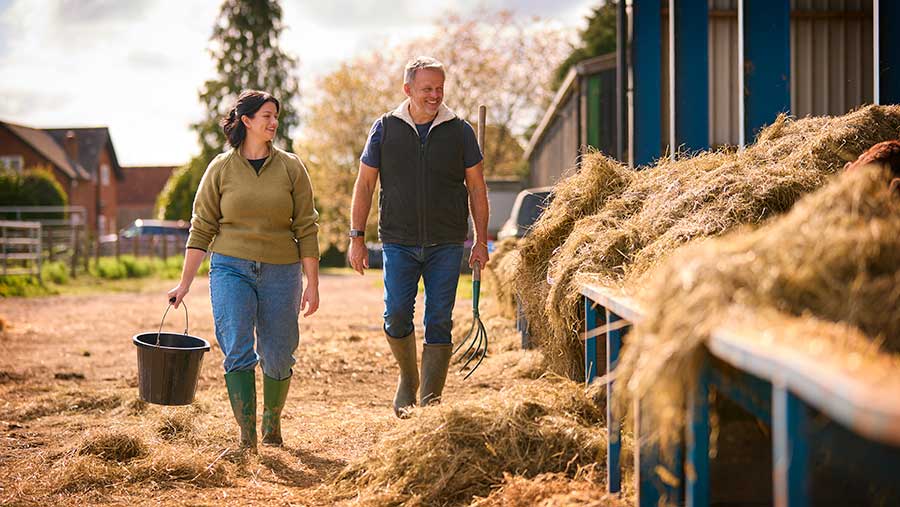
© Monkey Business Images
Practical steps farming families can take
Reviewing your succession plan should involve more than simply updating a will.
It is an opportunity to consider whether your overall business and family arrangements remain appropriate under the new tax landscape.
Areas to consider include:
- Reviewing wills to ensure they make full use of the available APR and BPR allowances and remain aligned with your wider succession objectives
- Checking partnership agreements to ensure they accurately reflect ownership, succession intentions and preserve available tax reliefs
- Reviewing trust structures to understand whether future inheritance tax charges could arise and alternative arrangements should be considered
- Considering whether assets are owned in the most tax-efficient way between spouses and civil partners
- Assessing whether lifetime gifting could reduce future tax liabilities while balancing the interests of farming and non-farming children
- Ensuring lasting powers of attorney are in place so the business can continue to operate if a key decision-maker loses mental capacity.
Open conversations with family members are equally important.
Clear communication about future intentions can help reduce the risk of disputes and ensure everyone understands how the business will be managed for future generations.

© Raw Pixel
Don’t wait to review your plans
The introduction of the new APR and BPR limits represents one of the biggest changes to farming succession planning in decades.
While the increased £2.5 million allowance – and £5 million combined allowance for couples –provides valuable relief, many farming businesses will still need to re-think existing arrangements.
The earlier families review their structures, the greater the opportunity to adapt, make informed decisions and avoid unexpected tax liabilities in the future.
If you would like to review your succession plan or understand how the new rules could affect your farm business, our specialist agriculture team can help.
- Call: 0330 024 0333
- Email: emma.carr@shma.co.uk/amy.cowdell@shma.co.uk
- Visit: shma.co.uk
Provided by
We advise farmers, estates and rural businesses on land and planning matters, commercial contracts, employment, disputes, succession and tax planning, helping them navigate change and prepare confidently for the future.