

Advertiser content
BNG changes: What landowners need to know
In recent months, government proposals on biodiversity net gain (BNG) have become a hot topic for both developers and landowners alike.
Introduced as a mandatory requirement in England in early 2024, BNG requires most new developments to deliver at least a 10% uplift in biodiversity compared to pre-development levels.
Developers can achieve this either by creating biodiversity on site or by purchasing biodiversity units elsewhere.
For farmers and landowners, this presents an opportunity to generate additional income from their land while contributing to environmental restoration.

© SHMA
Changes to the BNG regime
The Department for Environment, Food and Rural Affairs (Defra) has recently consulted on changes to BNG requirements for minor, medium and brownfield developments.
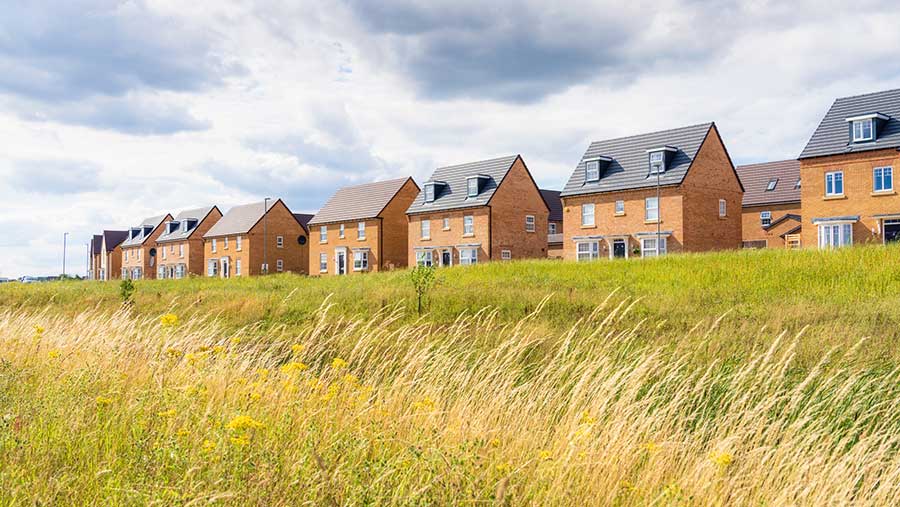
As part of this, the government has confirmed that smaller developments on sites below 0.2 hectares or fewer than nine homes will be exempt.
© SHMA
On the flip side, we are anticipating the introduction of BNG for Nationally Significant Infrastructure Projects (NSIPs) following on from a consultation on this last year.
While these two changes have been announced, the timeline for implementation is yet to be confirmed and BNG continues to apply in its current form until any changes are formally implemented.
For landowners, this means there is still potential to earn from biodiversity units while managing land in an environmentally responsible way.
When considering the potential for a habitat bank on your land, the key is to look at whether there is demand for BNG units in terms of the geographical location and the type of BNG units that will be produced by that land.
How habitat banks can benefit your land
So, where does this leave farmers and landowners?
Landowners can turn under-used land into income while supporting nature recovery through habitat banks.
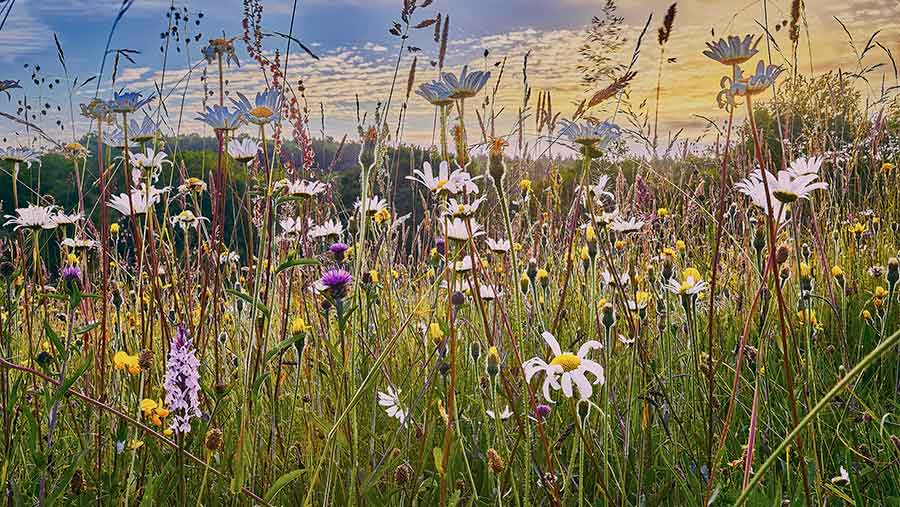
These are parcels of land where high-quality habitat creation or enhancement generates biodiversity units, which developers then purchase to meet BNG requirements.
We have helped establish landmark habitat bank sites, including Langley Priory, the first registered biodiversity bank in North West Leicestershire.
This site brings more than 250 biodiversity units to market and demonstrates how farmland or under-utilised land can become a long-term asset.
Habitat banking not only supports nature but also creates new income streams for landowners.
With carefully drafted legal agreements, your land can be managed for habitat over decades while generating value from the sale of biodiversity units.
With hundreds of acres currently being developed as future bank sites, there are numerous opportunities to select the right land and benefit from this growing market.
However, getting the right expertise and support at the early stages is vital to see if your proposed project is a viable one.
© SHMA
Get started today
Now is the time to explore how your land could participate in habitat banking. It can complement your farm business, diversify income, enhance natural capital and contribute to measurable biodiversity outcomes.
To discuss your options or understand how BNG changes might affect your land, contact us today:
Call: 0330 024 0333
Email: amy.cowdell@shma.co.uk/anna.cartledge@shma.co.uk
Visit: shma.co.uk
Provided by
We advise farmers, estates and rural businesses on land and planning matters, commercial contracts, employment, disputes, succession and tax planning, helping them navigate change and prepare confidently for the future.