

Advertiser content
Growing the next generation of farmers
“More needs to be done to get farming and agriculture into the curriculum — young people across the country need more exposure to the industry, especially in towns and urban areas.” says Suffolk vegetable farmer, Ollie Jones.
British farming is facing an ongoing challenge to attract the next generation of talent, but young farmers like Ollie Jones are showing what a modern career in agriculture can look like.
For Ollie, farming was never just a career option. It was something he grew up with.
“Originally I’m from a smaller farming family in Herefordshire,” he says. “My grandparents and uncles farm sheep and cattle on the Black Mountains, so it’s something I’ve always been around.”
Like many farmers, Ollie believes that the passing down of knowledge and skills between generations is crucial and that family ties remain one of the most common pathways into the industry.
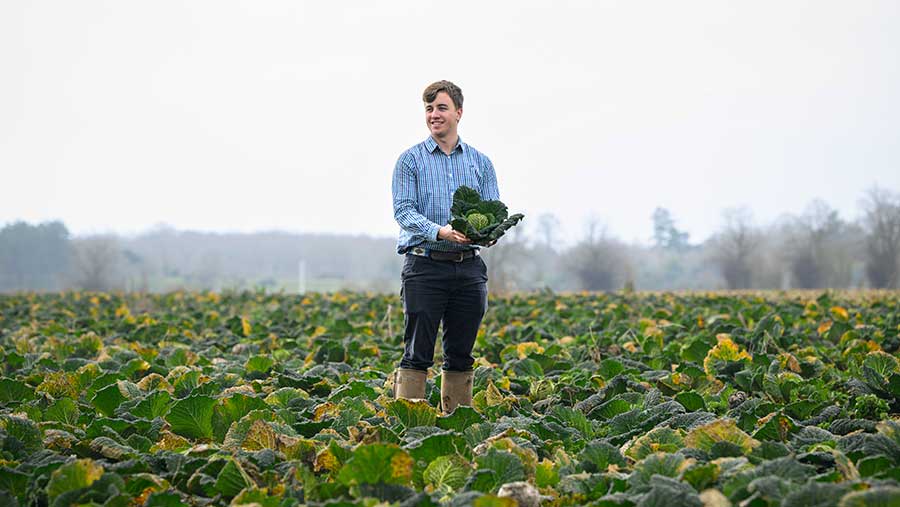
Ollie Jones © Tesco
However, he feels that more needs to be done to attract a larger and more varied pipeline of young talent into the industry to secure its long-term future, starting with the education system.
“More needs to be done to get farming and proper agriculture into the curriculum,” says Ollie. “More people need exposure to it across the whole country, especially in towns and urban areas.”
In his experience, many young people simply do not realise where their food comes from because farming is rarely discussed in school.
Agriculture in schools
“In primary school or high school there’s nothing to do with farming,” he says. “You don’t learn anything about agriculture.”
But on the occasions when Ollie and his team have taken tractors into schools as part of local initiatives, he has witnessed a real eagerness to learn.
“You get 20 or 30 kids around a tractor and they just bombard you with questions,” he says. “They’re really interested in how food is grown, they just don’t get taught about it.”
His experience reflects a wider issue highlighted in Tesco’s Greenprint for UK Farming report, which identified attracting future talent as one of five key priorities for ensuring the long-term resilience of British agriculture.
For Ollie, part of the challenge lies in outdated perceptions about what farming involves.
Eighty eight percent of farmers surveyed for the report stated they were worried about a negative public perception of the farming industry.
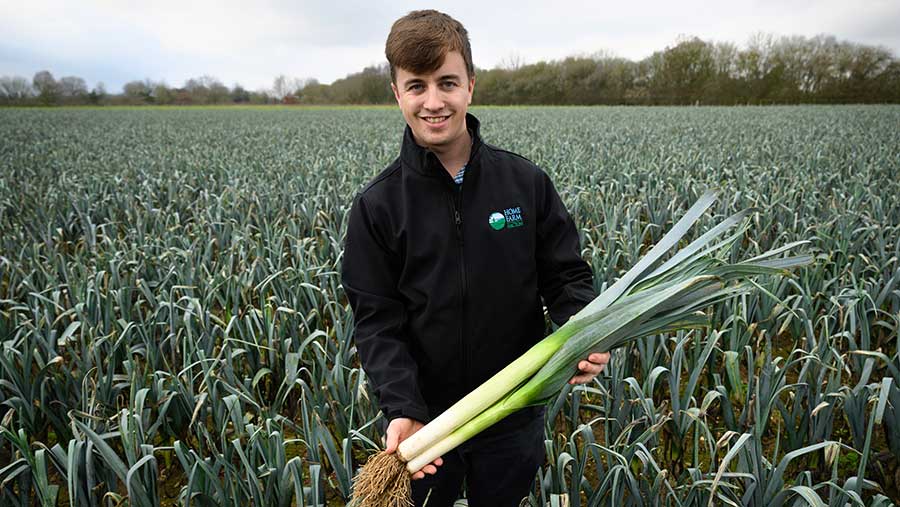
Ollie Jones © Tesco
Ollie understands this concern. His experience of modern agriculture is an exciting and fast-moving sector with lots of variety and opportunities across a wide range of roles, but he feels this needs to be celebrated more.
“In my role no two days are ever the same,” he says. “I’m involved in everything from growing and packaging the crop, to operating machinery and managing a team of both full time and seasonal labour.”
Technology
Technology is also playing an increasingly important role on farm, something Ollie believes younger generations are well placed to help drive forward.
“Progress is being made but the industry needs support. Young people who are interested in technology can bring that extra level of detail we need in farming,” he explains.
“Whether that’s analysing yields, understanding costs or improving efficiency, a lot of the industry is becoming technology based and that creates opportunities.”
While practical experience remains essential for anyone hoping to build a career in farming, Ollie says programmes that support young people entering the sector can also make a real difference.
Tesco Future Farmer Programme
One example is the Future Farmer Programme, which Tesco runs in partnership with Harper Adams University’s School of Sustainable Food and Farming.
Introduced in 2023, the nine-month course helps young farmers develop skills beyond day-to-day farm work. Participants take part in mentoring, training sessions and industry visits focused on sustainability, leadership and the wider food supply chain.
For Ollie, being part of the programme has offered valuable insights beyond the day-to-day work on his farm.
“It’s been a really big help,” he says. “I’ve met so many inspiring people from across the industry and learnt about things which I wouldn’t really get exposure to anywhere else, such as managing people, not only on a business level, but also an emotional one too.”
Alongside initiatives like this, he believes an important step for young people interested in agriculture is simply getting started and gaining hands-on experience.
“Seek a job on a small local farm, gain practical experience, work hard and put the hours in,” he says. “And don’t always be looking at your phone!”
For Ollie, the future of farming depends on ensuring more young people see the opportunities the industry offers.
With the right exposure, support and practical experience, he believes the next generation can help shape a resilient and innovative future for UK agriculture.
Apply for the Tesco Future Farmer Programme.
Read Tesco’s Greenprint for UK Farming Report.
Provided by
Tesco plc is a British multinational groceries and general merchandise retailer headquartered in the United Kingdom at its head offices in Welwyn Garden City, England. The company was founded by Jack Cohen in Hackney, London, in 1919.