

Advertiser content
What is Landscape Recovery – and how can it help my farm?
Since the first round opened in 2022, over 1,000 ambitious farmers and land managers have participated in the development of the Landscape Recovery scheme – one of three of England’s Environmental Land Management schemes.
But what exactly is Landscape Recovery, and how can it benefit farm businesses? Landscape Recovery (LR) is based on the principle that nature and farm resilience are intrinsically linked.
The work delivers benefits for farms, for the environment, and for communities alike.
There are 4 main features of the scheme:
- Large-scale projects
- Long-term public funding (for example, for 20 years or longer)
- Bespoke agreements
- Blended funding (projects need to explore options for both public and private funding)
To date, there have been two pilot rounds of Landscape Recovery, with 56 projects involved in the development phases. Three projects are now in the delivery phase.
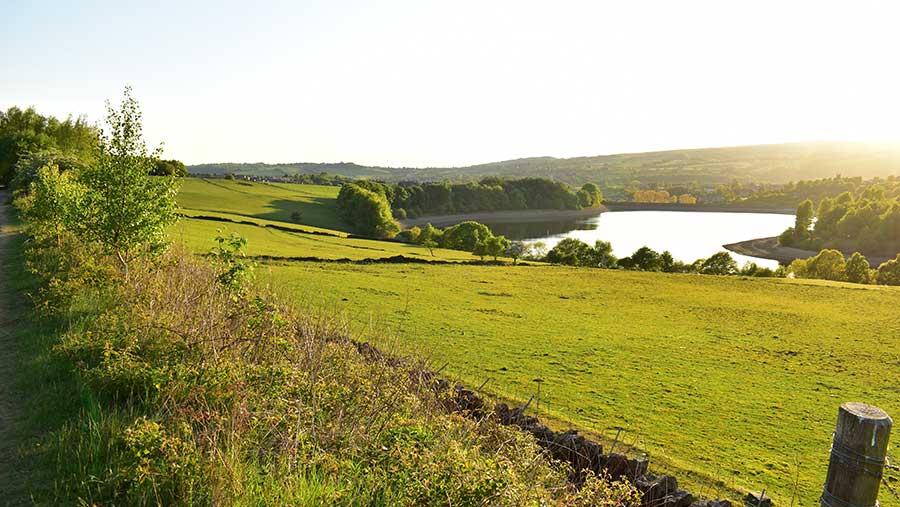
© Natural England
LR in action: Restoring habitats and reducing flood risk in the Upper Duddon Valley
One of the first projects to start delivery, the Upper Duddon Landscape Recovery Project, began in July 2025, across c,2,800 hectares of uplands in South-West Cumbria.
Led by the University of Leeds, this project brings together tenant farmers, landowners and environmental organisations in an ambitious, 20-year project.
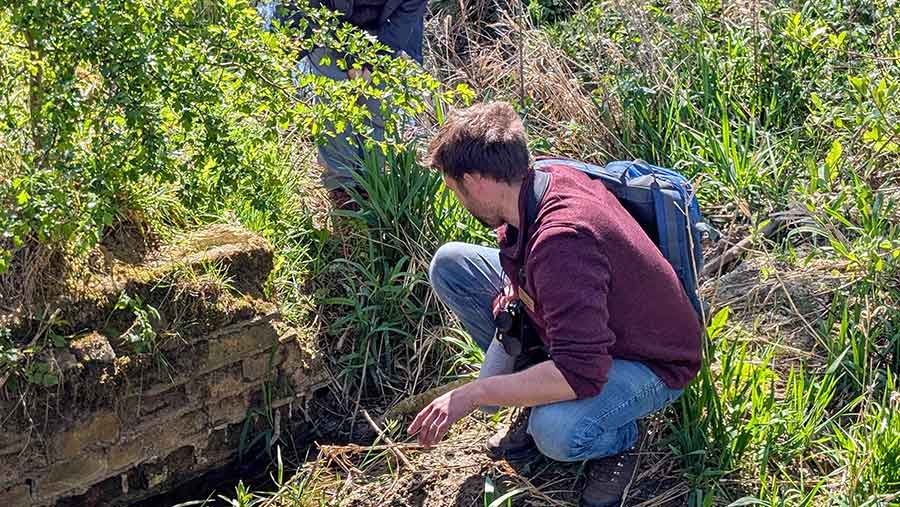
© Natural England
The project is helping to preserve the longstanding tradition of fell farming in the valley area, at the same time as supporting species and restoring a mosaic of habitats.
It will restore and re-naturalise parts of the River Duddon and its tributaries to improve water quality and river health, helping to slow the flow and contribute to natural flood management.
The project will also create jobs and provide opportunities for the local community to contribute to nature recovery through a vibrant volunteering and education programme.
What can LR principles do for me? |
|
|
|
|
Mark Hodgson of Blackhall Farm, who is involved in the project, spoke of his experience getting the project off the ground.
“The development stage was really useful. Having other farmers there who could help introduce you to all these organisations made everything a lot easier.
“As a farmer, you’re often stuck in the hills and don’t really get chance to speak to these people. It’s opened a lot of doors for me.
“You can grow your network with people who encourage you, who can help to make your vision happen.”
Find out more about the scheme and its ongoing projects by searching “Landscape Recovery” on the Defra Farming Blog.
Provided by
Natural England advises farmers and land managers on schemes and practices that benefit the environment, bolster sustainable food production, and drive economic growth.