How new energy bill puts more pressure on rural land
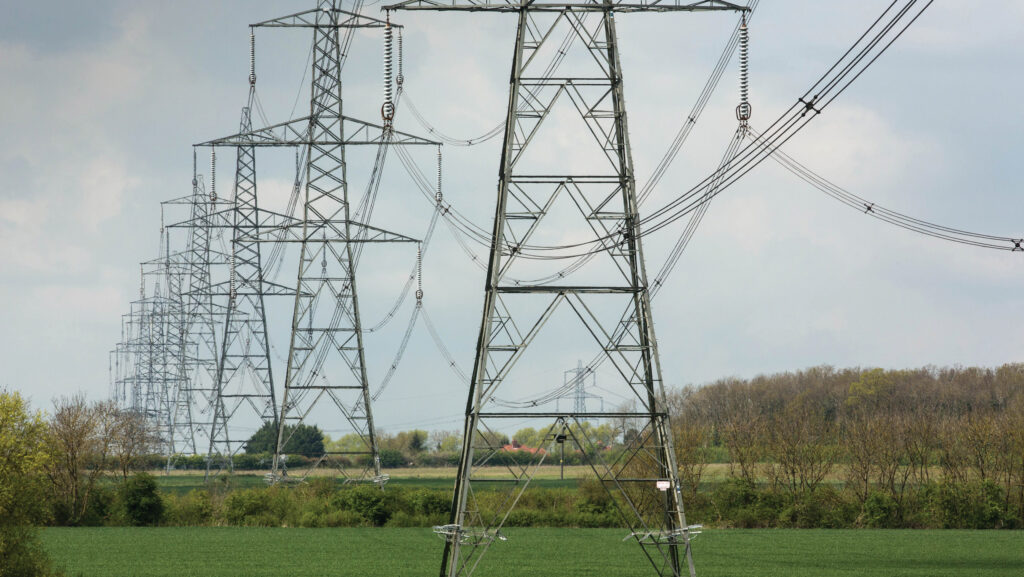 © Tim Scrivener
 An Energy Independence Bill is being drafted which will raise the pressure to deliver infrastructure to meet the government’s target of decarbonising the UK’s electricity system by 2030.
Publication of the draft bill is expected in the autumn parliamentary session but the change of prime minister may delay it.
However, a consultation set the direction of travel, which will place a heavy demand on rural land for these projects.
See also: How the infrastructure revolution will affect more farmers
“The pressure on delivery of infrastructure is obviously heightened, and the introduction of the nationally significant infrastructure projects (NSIP) regime inthe Planning Act 2008 means that a lot of infrastructure can be delivered by private developers,” says Polly Montoneri, a rural land and business partner at law firm Forsters.
“At the same time, the National Grid is trying to upgrade itself to deliver electricity generated in a very different way to 30 or 40 years ago.
“Some farmers and landowners are benefiting hugely from diversification opportunities such as large-scale solar, but we’re also seeing landowners who are being heavily impacted by the delivery of all this new infrastructure.”
The conduct of those exercising the powers available to them and their agents to deliver these projects is a growing cause of friction and concern, says Polly, with a generally more aggressive stance being taken, insufficient compensation, a lack of respect for basic property rights or sufficient steps to mitigate the impact on livelihood and business.
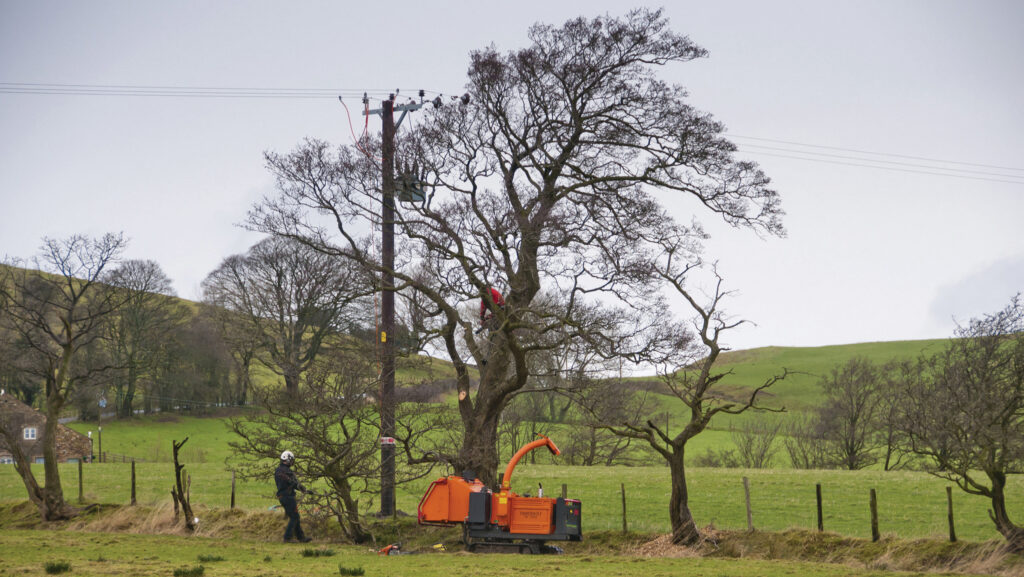
© FLPA/Alamy Stock Photo
“There are examples where relationships are good between landowner and developer, but the more parties you to have to engage with on a project, often the more cumbersome and therefore the worse the consultations,” says Polly.
“The trodden path in the past used to be to negotiate, because the cost for developers of going down the compulsory purchase (CP) route was disincentivising.
“Those costs are coming down so the motivation for the developer to negotiate and come to a private arrangement has just crept lower and lower.
“I think that the proposed legislation with the independence bill and the way the market has moved means that CP has become a much stronger negotiating stick for developers to speed up delivery.
“Most land managers recognise the need for new infrastructure and indeed already host infrastructure, so it is not about rejecting it outright, but it is about having a fair and reasonable consultation process with farmers and land managers having access to proper advice and proportionate compensation.
“What often happens in practice is that at the start of the process a landowner or farmer will suddenly be served with Section 172 and 173 notices out of the blue, saying the developer wants to come onto their land at short notice to dig some holes and survey.
“They are also often given an access licence at the same time and invited to sign it, with limited scope for amendment or practicable detail being incorporated in the licence, and without the opportunity to have taken proper advice.
“They may also be threatened with the use of statutory powers if they do not sign the licence.”
While the advice is generally to engage early to potentially influence the process, including suggesting alternative routes that might suit the farm better, projects change and when approaching landowners the developers often don’t know at that stage what the design of the project is, says Polly.
With more parties becoming involved in delivering projects, she is also concerned about the responsibility for maintaining installations becoming blurred.
A further issue is that the scale of work means that infrastructure corridors could result, with pylons serving not only their initial purpose but, for example, carrying fibre optic cables too, with no additional compensation to the host, potentially confusing access rights and who is entitled to carry out what work.
“When it’s a National Grid project, the responsibilities are clear, but there’s a big question about who is responsible for that infrastructure when it’s a private developer delivering it and an independent district network operator in the middle,” says Polly.
There are also questions about landowner protection and liabilities from hosting infrastructure because projects are growing in size and number, as well as the length of agreements.
In addition to potential damage on access and during works, the risks include cables overheating and affecting the ground around them, unstable pylon foundations, and damage by the landowner or occupier by actions such as ploughing through a cable.
Abuse of access rights for surveys
Illustrating the impact on rural communities and landowners of the rush for infrastructure development, Welsh farmers and countryside campaigners recently won a High Court ruling which strengthened farmers’ rights over survey access to land.
This found that an electricity developer used an “unduly broad” notice to enter land, after a judicial review was brought by Natalie Barstow, the Campaign for the Protection of Rural Wales and the Land Justice Coalition against Green GEN Cymru over its use of statutory powers to access land for surveys linked to a proposed 200km electricity pylon route across Powys, Ceredigion and Carmarthenshire.
The case centred on Sections 172-179 of the Housing and Planning Act 2016, which allow organisations with compulsory purchase powers to enter private land to carry out surveys for NSIPs before applying for a compulsory purchase order.
The court confirmed those powers remain in place but ruled they must be exercised more carefully, saying developers cannot issue wide-ranging notices covering multiple surveys over periods of up to one or two years.
Notices must clearly state the purpose of the visit, the surveys to be undertaken and the timeframe for access. If further surveys are required, fresh notices must be issued.
Compulsory purchase code of conduct
The CLA is campaigning for an enforceable code of conduct for compulsory purchase and related powers.
In a bid to rectify some of the problems property owners encounter in CP procedures, the organisation wants a clear, plain English document laying out exactly how all parties should behave in cases of compulsory purchase.
The changes expected in the bill involve:
- Necessary wayleaves – those with statutory backing and for which a landowner cannot refuse access will be extended from 15 to 40 years.
- Extension of access powers to transmission operators – currently these are limited to distribution companies.
What this means in practice, says the Country Land and Business Association (CLA) is that powers to access land to maintain and upgrade wooden poles and smaller steel pylons will be extended to companies looking after larger and higher voltage lines.
While these operators will need to give a longer notice period, typically 30 days, to carry out their proposals, says CLA surveyor and policy adviser Mark Burton, landowners will effectively be required to grant access for maintaining this infrastructure rather than negotiating access agreements on commercial terms as currently.
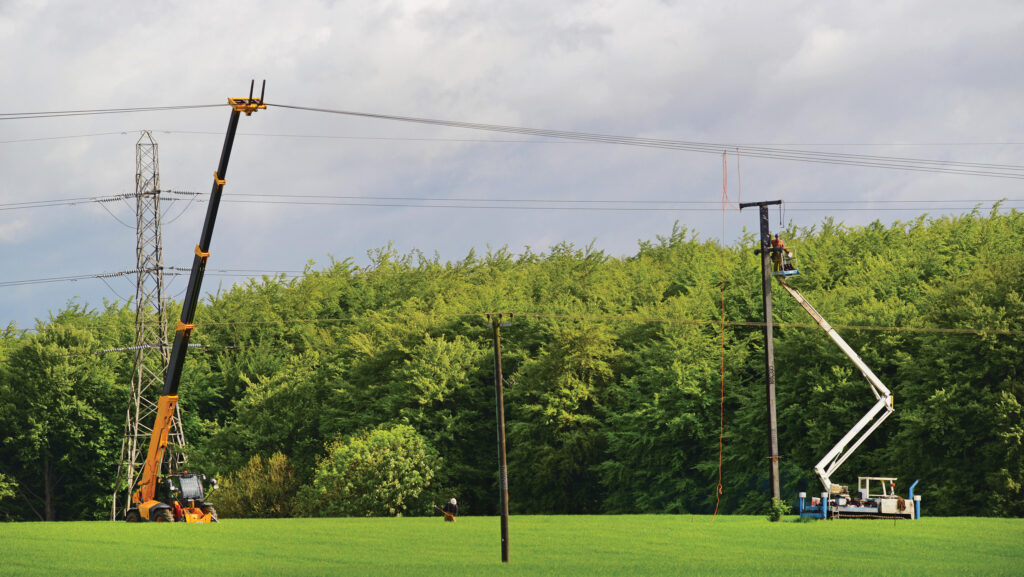 © Paul Ridsdale Pictures/Alamy Stock Photo
- Third-party land – the government also plans to give power of access over third-party land where this is “necessary” for maintenance and upgrades to existing electricity infrastructure on another landowner’s property. Currently this can only be used on the property hosting the electricity infrastructure.
This means the current system of negotiated licences for access to third-party land at or above market value will end, says Mark.
Also, he fears that “necessary” may be interpreted broadly by infrastructure owners. - Removal of infrastructure – where electricity infrastructure is sited either without an agreement or where it can be removed under the terms of an agreement, there is a formal process for landowners to request its removal, which request can be challenged.
The government wants to extend the required notice period to six months, possibly frustrating a farm’s development plans.
The CLA is also concerned that the new requirement that a landowner must state a reason for removal early in negotiations will be used as a backdoor means to limit the grounds for requesting a removal which is entirely within the landowner’s rights.
The organisation has welcomed some of the changes, including:
- Powers of entry – some changes here will lead to better compensation for activities such as altering and upgrading equipment. The current rules compensate for damage caused in entering the premises, or taking action on the premises.
This will be widened to “loss or damage incurred as a result of the works”, including the landowner’s time, movement of stock and loss of agricultural subsidies. - Tree maintenance – cutting back and felling trees and vegetation to provide the clearance required for overhead lines will become the responsibility of the network operator.
Currently this rests with the landowner. However, under the new rules the landowner may to carry out these works, with the operator’s agreement.
The CLA considers this a good change on balance. While it means more access by the operator, it also reduces liabilities for the landowner.
However, Mark cautions that there are risks in that contractors working on behalf of electricity operators do not always observe the rules on notice, biosecurity, how work is carried out and how sites are left.
Compensation for entry for tree works, currently limited to “a requirement to make good any damage to land” will be broadened to include all loss and damage. - Dispute resolution – better access to justice for landowners is promised through mandatory alternative dispute resolution, which the CLA had called for in consultation responses. However, it cautions that much detail is still to be worked out in terms of how this will be implemented.
“Sometimes statutory powers, rather than negotiation, are used as the default route for seeking access to land. Government guidance to rectify this is welcome. There must, however, be an accessible mechanism for raising a challenge where this guidance is breached,” says Mark.
Other measures expected in the bill include raising the threshold above which new lines become NSIPs.
This involves removing 132 kV wooden pole lines from the scope of the NSIP regime and increasing the distance threshold for overhead lines to fall within NSIP classification from 2km to 15km.
This is important for advisers, says the CLA, as it alters the process and will make projects proceed more quickly in some cases.