Farmers urged to ensure compliance with construction laws
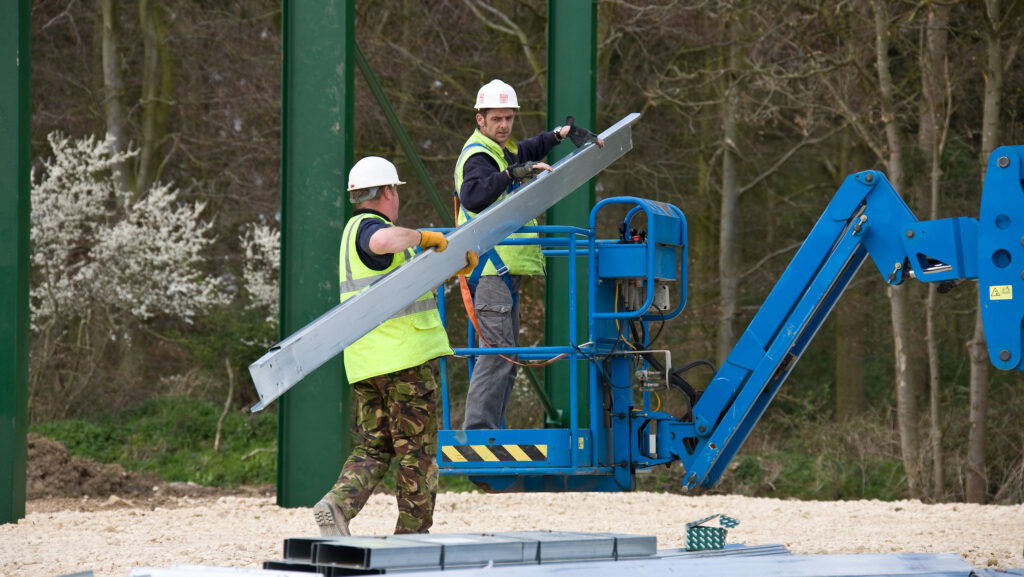 © Tim Scrivener
 Farmers carrying out routine repairs and maintenance on their holdings are being urged to check they are fully compliant with construction safety rules before work begins.
Legal specialists say many agricultural businesses are unaware that the Construction (Design and Management) Regulations 2015 (CDM) can apply to common jobs such as replacing roof sheets, repairing cladding, clearing gutters and maintaining grain stores.
This means that proper planning and control is required, whether the work is carried out by farm staff or where contractors are hired in.
See also: Farm Safety Week targets hidden toll of serious injuries
“CDM is not just for building sites. It applies wherever construction work is carried out,” says Vikki Watt, who leads the health and safety team at law firm BTO Solicitors.
“It does not expect farmers to be construction experts, but it does expect them to make sure the job is properly planned so that it may be done safely.
“That means proper planning and control, even where the work is subcontracted – and duties start at the planning stage, not when the contractor arrives.”
To ensure full compliance, BTO recommends the following:
- Clearly define the work before it starts
- Appoint contractors with the appropriate skills, experience and equipment
- Ensure a proportionate construction phase plan has been prepared
- Check that risks such as fragile roofs, asbestos, overhead power lines and access equipment have been properly assessed
- Share information about livestock movements, site layout and known hazards
- Keep a written record of what has been agreed with the contractor.
Breaching regulations
Breaching CDM regulations is regarded as a criminal offence and can result in enforcement notices, substantial fines and, in the most serious cases, custodial sentences.
“This is not paperwork for paperwork’s sake,” says Ms Watt. “It is about switching the focus to the planning aspect of the job to ensure risks are considered and mitigated as far as possible, keeping people safe and keeping the farm running.”
There is no doubt that construction work on farms is a risky activity, with falls from height accounting for 28% of workplace deaths in 2024-25.
“In the construction sector, work at height is often routine and governed by stringent on-site regimes and specific training,” says Ms Watt.
“In agriculture, work at height is often infrequent, ad hoc and undertaken by lone workers with less specialist equipment where there are markedly different resources and economies of scale.
“That may explain the incongruity of the improved awareness of risk and the persistence of tragic work at height deaths in the sector. There is no doubt that the sector risk continues to present a unique challenge to regulators.”
Fatal injury inquiry
BTO is currently acting in Scotland’s first joint fatal accident inquiry into agricultural work at height, examining six fatal incidents.
Five involved roof repairs on farm buildings, with the sheriff’s determination expected later this year.
Ms Watt said clearer sector-specific guidance would help farmers understand how CDM applies in practice and the responsibilities they retain, even when work is carried out by external contractors.
If farmers are not satisfied the work has been properly planned or that contractors are competent, they should stop the job until suitable safety measures are in place.