Farmers urged to put safety first as nights draw in
 © Tim Scrivener
Farmers are being urged to prioritise safety as the nights draw in, with NFU vice-president Robyn Munt reminding members that too many colleagues have been hurt or lost in recent months.
Farm-related fatalities on Great Britain rose to 29 in the year to March 2026, up six from the previous year, according to the latest Health and Safety Executive figures.
See also: Health and safety policy: What farmers need to include
Workers aged over 65 accounted for half of all worker fatalities, and moving and overturning vehicles claimed eight lives. An estimated 8,000 non-fatal farming workplace injuries take place each year.
Speaking at NFU Council at Stoneleigh HQ this week, Ms Munt highlighted the paper in members’ council packs setting out losses from the industry.
“These obviously aren’t statistics; these are people that we’ve lost from our farming community over recent months,” she said.
Ms Munt, then turned to the season ahead. “We’re heading into winter. The days are shorter. I just remind you all: please take care,” she told council.
“We want everybody to come home safely, and that’s not just losing you completely, but you know serious injuries that people suffer as well. And we’ve had too many colleagues suffer those in recent months.”
Ms Munt added that the NFU is also working with the Farm Safety Partnership (aka Yellow Wellies) to find new ways of talking to the industry.
NFU president Tom Bradshaw also raised the subject of farm safety in his closing remarks to council, stressing the value of learning from close calls.
“Your near miss could be somebody else’s life-threatening accident,” he said, floating the idea of NFU county WhatsApp groups to share near misses.
Mr Bradshaw also urged members to look out for one another through what he expects to be a tough winter. “That phone call to a neighbour, to a friend, to a colleague costs absolutley nothing,” he said.
Older farmers targeted in NI
In Northern Ireland, the Farm Wiser to Farm Longer campaign has returned to television and radio, urging older farmers to recognise changing risks. It comes after seven farm fatalities were recorded in the province during the 2025-26 financial year.
The campaign is led by the Health and Safety Executive for Northern Ireland (HSENI), the Department of Agriculture, Environment and Rural Affairs (Daera) and the Farm Safety Partnership.
It runs until the end of November, with adverts also on social media and at livestock marts.
HSENI says 46 older farmers died in farm-related accidents between 2014 and 2026. The campaign focuses on farm vehicles and machinery, working with livestock, and working at heights.
HSENI deputy chief executive Bryan Monson urged farmers to pause before risky tasks and ask: “Am I putting myself at risk?” and “What can I change to make this safer?”
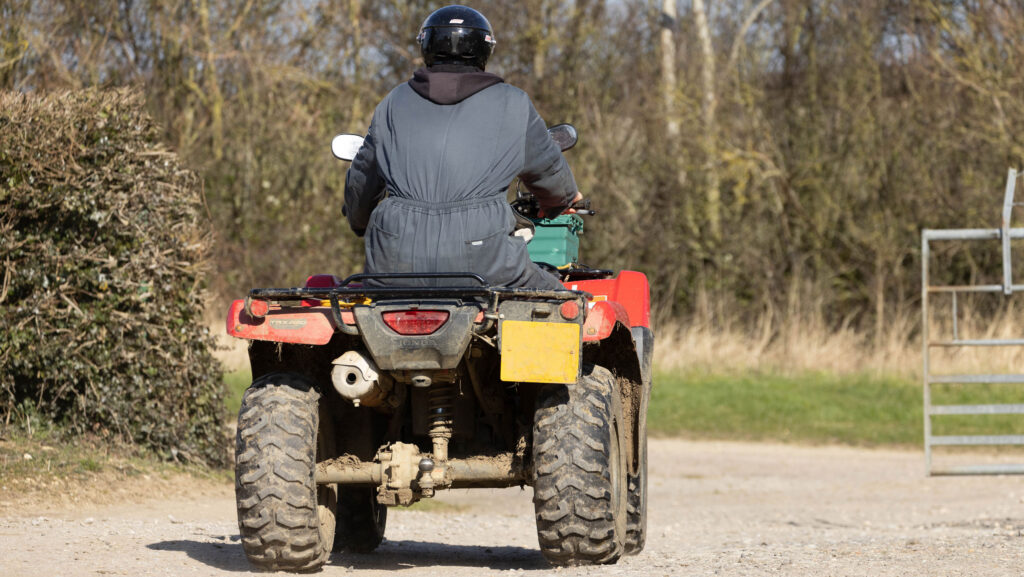
Practical advice includes switching from a quad to a side-by-side vehicle with a seatbelt, avoiding working alone with cattle, and using long-handled tools to avoid ladders.
Yellow Wellies conference
In Scotland, the Farm Safety Foundation held its third annual Farm Safety and Wellbeing conference at the Royal Highland Centre in Edinburgh on 5 November.
Alistair Carmichael MP, farmer and chairman of the Efra Select Committee, said the pressures facing farmers “make the work of Yellow Wellies all the more vital”.
Foundation manager Stephanie Berkeley echoed Mrs Munt’s message as she closed the event, which fell on Bonfire Night. “We want everyone to return home safely at the end of the day,” she said.
Winter farm safety checklist
Advice from Rhiannon Wilson, health and safety adviser at CXCS, an award-winning provider of health and safety services:
Keep warm: Provide warm, waterproof clothing and footwear, a dry place for breaks and hot drinks. Allow regular chances to warm up and watch for early signs of cold stress.
Light up: Check yard, building, vehicle and machinery lights. Wear hi-vis where vehicles are moving and separate pedestrian routes where possible.
Prevent slips: Clear mud and debris, treat ice and repair steps. Wear grippy footwear, especially around livestock buildings and feed stores.
Check machinery: Inspect tyres, brakes, lights, mirrors and wipers, and consider ground conditions on slopes and tracks.
Handle livestock safely: Ensure gates and handling equipment are secure, escape routes clear and lighting good. Get help for higher-risk jobs.
Beat fatigue: Review workloads and hours, and encourage breaks.
Lone working: Tell someone where you are and when you’ll be back. Agree check-ins and carry reliable communication.