Compulsory purchase threatened for Oxford-Cambridge corridor
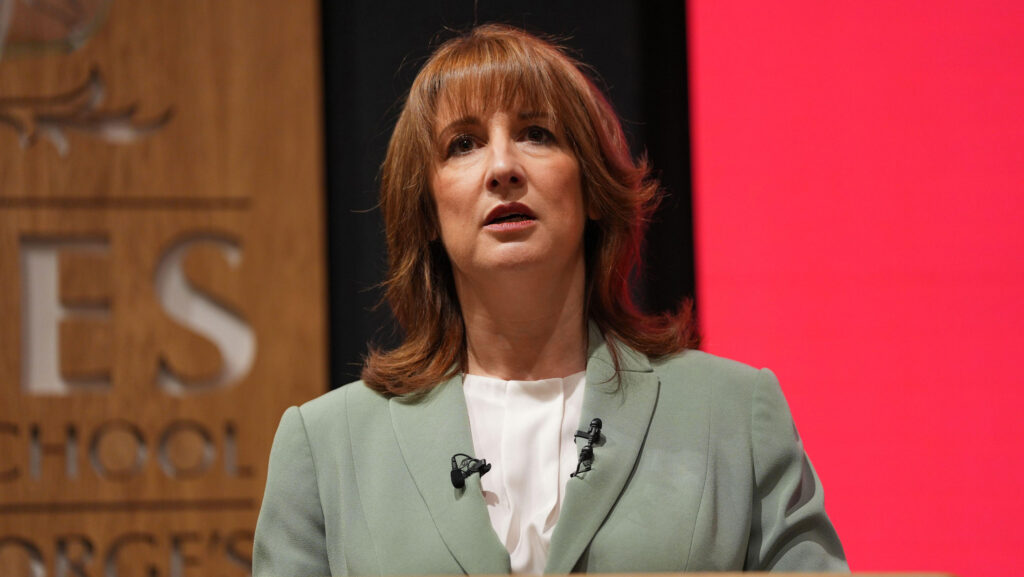 Rachel Reeves delivers the Mais lecture © PA Images/Alamy Stock Photo
 Compulsory purchase will be used if land is not offered to develop the Oxford-Cambridge arc, Chancellor Rachel Reeves said in a speech on Tuesday (17 March).
Delivering the 2026 Mais lecture at the Bayes Business School, the chancellor said the government would use new compulsory purchase powers to get stalled sites moving, secure fair land deals where landowners hold to unreasonable expectations, and reinvest the uplift in value into new homes, infrastructure and regeneration.
See also: Government plans for new towns – implications for farmland
She announced funding for the development of the Oxford‑Cambridge Growth Corridor would double to £800m to remove barriers to development, and a consultation on a Development Corporation for Greater Oxford, which would have compulsory purchase powers.
The push for development is being ramped up for both housing and as the government seeks to accelerate the adoption of artificial intelligence (AI), which requires land for energy-and water-hungry data centres.
The aim is to secure the fastest adoption of the technology in the G7, to make the corridor between the two cities the “Silicon Valley” of Europe.
A development corporation proposed for Cambridge could be in place within a year, also with compulsory purchase powers.
Andrew Shirley, chief surveyor at the Country Land and Business Association (CLA), said landowners were an easy target, but were not blocking development.
“The best way to produce development is to encourage landowners to put forward sites with a concise plan and achieve a negotiated sale,” he said.
He added there were plenty of landowners willing to bring land forward at a reasonable price to enable development.
Compulsory purchase should only be used on sites where development is difficult, said Mr Shirley.
A negotiated sale would typically take anywhere between a few months and two years, compared with the compulsory purchase route, which would take two years to get a compulsory purchase order, with a public inquiry following that.
The Greater Cambridge Development Corporation could be in place within six months and would cover a wide area including much rural land and a plan was needed for the communities within that rural area, said Mr Shirley.
Cambridge is a highly water stressed area and access to water had to be part of the plan.