New consultation to ease planning rules for agriculture
 © Tim Scrivener
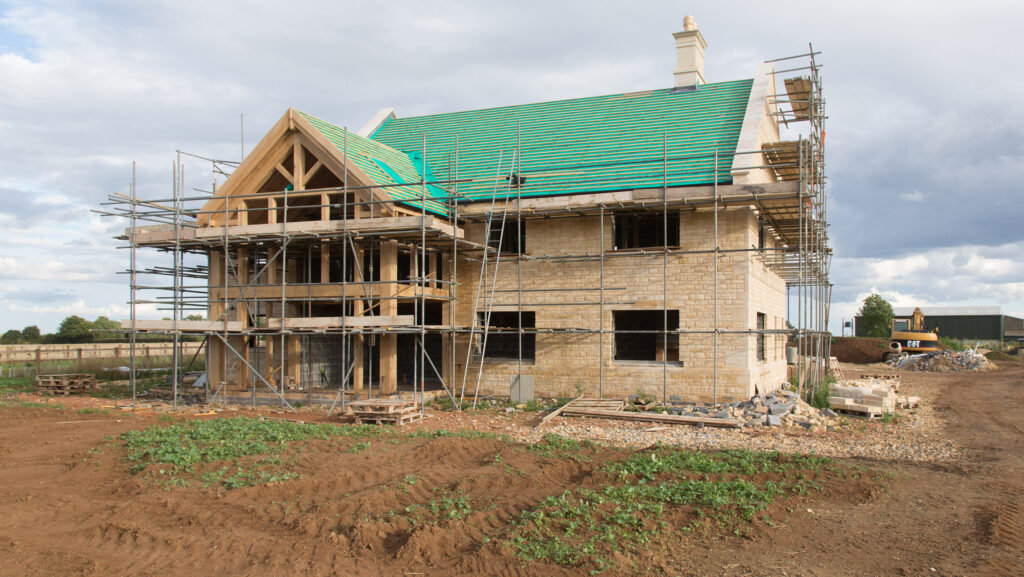
 Housing secretary Steve Reed has launched a new consultation on proposals to streamline planning rules which, he says, will make it easier for farmers and rural firms to develop their businesses.
The consultation covers reforms to the National Planning Policy Framework, and includes measures that will require local authorities to give preferential treatment to new developments that directly support local businesses, rural areas and domestic food production.
See also: BNG rule changes could exempt small sites and cut unit demand
While planning applications will still be assessed on a case-by-case basis, planners will be told to give greater weight to food production.
According to the Ministry of Housing, Communities and Local Government, the new rules will make it easier for farmers to build on-farm reservoirs, livestock sheds, glasshouses, polytunnels, and farm shops.
A government spokesman said: “We know that farms are businesses that need to make money. This will put the ability to build, innovate, and expand farming businesses into the hands of the farmers themselves. It’s time to let farmers grow their businesses.”
Industry reaction
Country Land and Business Association (CLA) president Gavin Lane hoped the planned changes would help end the “stagnation” affecting rural business development.
“The productivity of rural areas lags 14% behind urban areas, and that is in no small part due to planning delays and refusals,” he said.
“Streamline the system, and the government will unlock the economic growth it is looking for, at little cost to the taxpayer.
“Businesses could grow, and provide much needed housing and employment. CLA members are desperate to invest in their businesses, but many are currently waiting years and spending thousands of pounds on applications that go nowhere.”
The NFU has also welcomed the changes, saying local planning authorities will now be expected to give a default “yes” to agricultural developments in rural areas, except in exceptional circumstances.
“This is expected to reduce red tape, speed up applications and support investment in modern facilities, including those aimed at improving animal welfare standards,” it said.
“Farmers and growers will be able to spend less time navigating complex planning rules and more time focusing on food production, investing in their businesses and supporting rural employment.
Biodiversity Net gain faces new threat
As part of the National Planning Policy Framework reforms, the government has confirmed it is going to introduce an area-based exemption to Biodiversity Net Gain (BNG) requirements for smaller building sites.
BNG requires housebuilders to deliver a 10% increase in biodiversity above what they might destroy during the construction process.
This can occur either onsite or at other locations, with farmers and landowners able to sell BNG credits to developers.
Speaking in parliament on Tuesday (16 December) housing minister Matthew Pennycook confirmed that sites of up to 0.2ha would be exempt from BNG.
The government is also planning a rapid consultation to provide an additional exemption for residential brownfield developments of up to 2.5ha.
According to the Wildlife Trusts, the exemption will cover 60% of all developments and would effectively “torpedo” the BNG system, affecting both wildlife recovery and potential farmer incomes.
Craig Bennett, chief executive of The Wildlife Trusts, accused the government of breaking promises.
“It confirms that the majority of planning applications will not now contribute to nature’s recovery,” he said.
However, Vicki Mordue of Biodiverse Consulting said the exemption would only lead to the loss of 2.4% of the biodiversity unit market as the area affected was small.
Hugh Townsend of Townsend Chartered Surveyors, who trades BNG units, said the addition of Nationally Significant Infrastructure Projects to the system from May 20-26 would provide further opportunities for landowners looking to trade their natural capital. “It’s all positive,” he said.