Home Office visa decision sparks shearer shortage fears
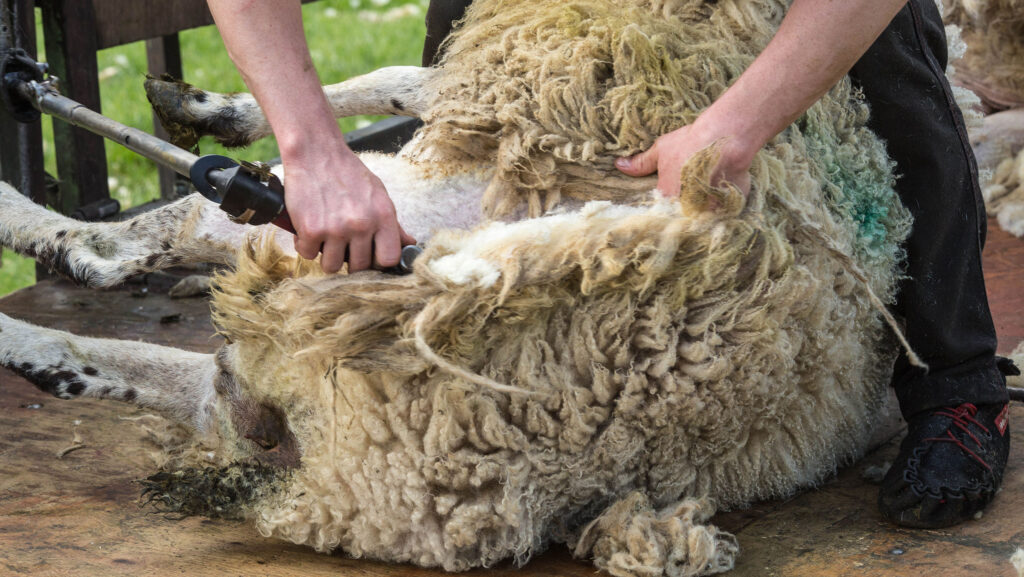 © Tim Scrivener
 Farm leaders have warned a Home Office decision blocking visa-free entry for overseas sheep shearers risks worsening labour shortages in the sector.
Since 2011, a temporary concession has been granted specifically for sheep shearers, allowing no more than 75 shearers from the Southern Hemisphere to shear 1.5-2m sheep in the UK.
The National Association of Agricultural Contractors (NAAC), which leads on the visa concession application, was told of the rejection by Mike Tapp, Labour MP for Dover and Deal and minister for migration and citizenship.
See also: Meat sector concerned over access to skilled workers
NAAC chief executive Jill Hewitt described the Home Office decision as “hugely disappointing”.
“This immediately puts sheep welfare at risk,” she said.
“The concession has been essential as the visa process does not allow for these highly skilled but ‘unqualified’ workers.”
Welfare implications
Ms Hewitt added there was now also concern that a shortage of shearers could result in farmers facing shearing delays, with potential implications for animal welfare, such as heat stress and fly strike.
“We cannot simply train more operators in the UK as it is a highly skilled operation that improves with experience,” she warned.
“It is seasonal and requires a high level of fitness and physical ability, which cannot be obtained by a training course alone.”
National Sheep Association (NSA) policy manager Michael Priestley added:
“Despite between 800 and 1,000 shearers being trained by British Wool each year, the steps required to become a professional shearer are a major life choice due to the time needed to hone technique, develop contacts, and build stamina.”
Knowledge exchange ‘at risk’
Denying overseas shearers the concession to enter the UK without a visa risks ending a rich tradition of cultural and educational exchange in the industry, the NSA noted.
Its chief executive, Phil Stocker, said the decision had left him feeling dismayed.
“Shearers can visit the UK from Australia and New Zealand each spring and summer as part of a huge international exchange, in which shearers and shepherds travel the world making industry connections,” he added.
“It remains to be seen how our UK shearers and wider agricultural labourers may now fare as the UK negotiates future trade agreements.”
Home Office response
A government spokesperson said: “In the last fifteen years, Britain’s sheep‑shearing sector has strengthened and reduced reliance on overseas workers, with only 75 shearers entering through this route last year.
“We are working closely with the sector to support anyone who needs to put alternative arrangements in place, following a period designed to help develop long‑term solutions.”