Why farmland trees need more care and attention
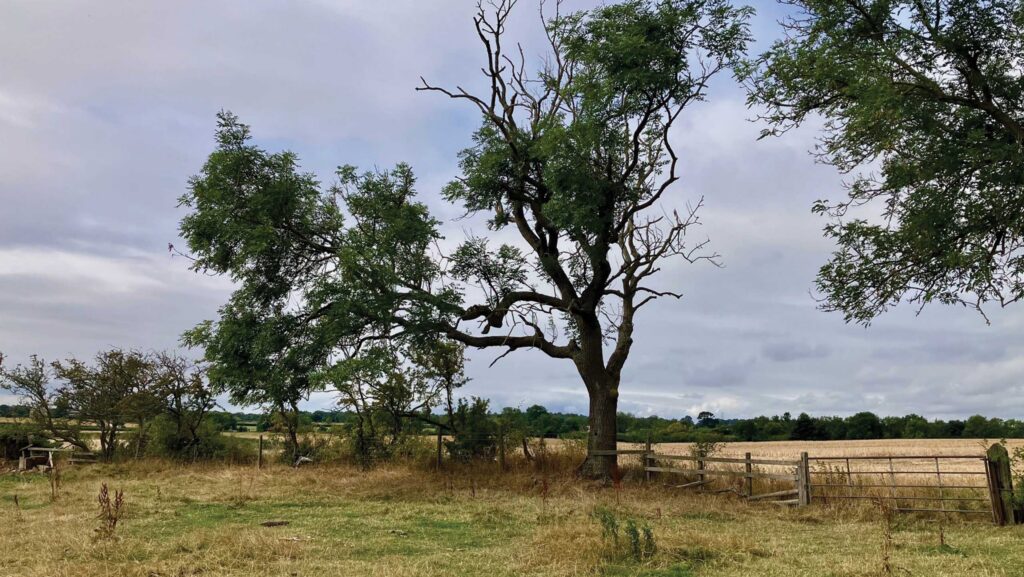
 © Lee Hutton/Alamy
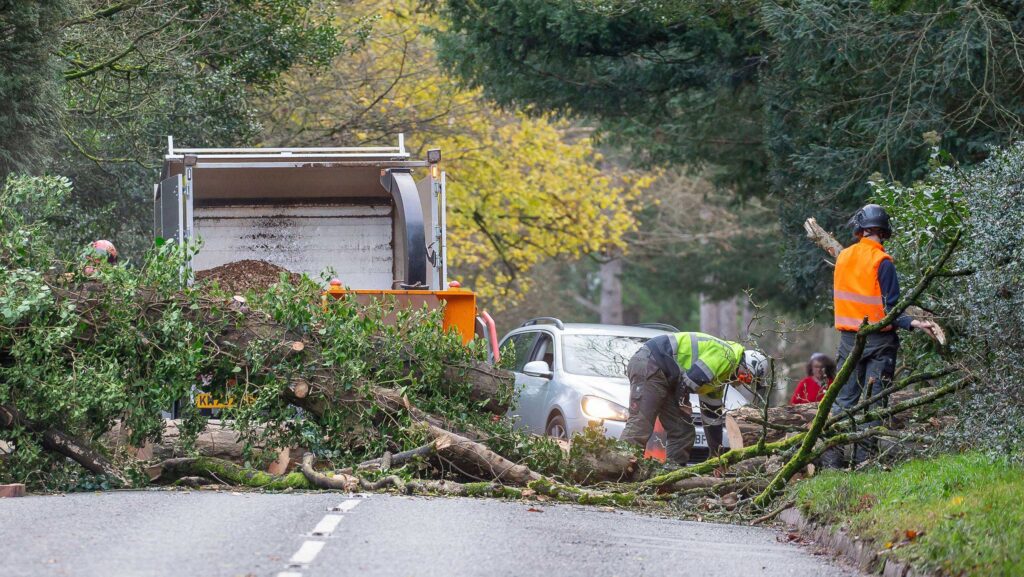
 The owners or occupiers of land have a duty to prevent trees from becoming a danger.
The additional stress that this summer’s hot weather is putting on some species, alongside the march of key pests and diseases, makes assessments and reviews essential.
Falling trees have caused serious injuries and fatalities, leading to both criminal prosecutions and civil cases which are costly, stressful and time consuming.
The decision to prosecute often relates not to whether work was carried out on a tree, but whether there was monitoring and a credible plan for tree risk management, says Neil Davies, head of arboriculture at adviser Keystone Environmental.
See also: Business Clinic – how to get correct public liability cover
However, he says all that is required is common sense and what is reasonably practical for your land, advising also that it’s not a case of carrying out a “once and for all” survey.
“It doesn’t mean looking at every tree every year, but a good practice is to carry out a zoning exercise relating to the value of the target that might be affected by a tree,” says Neil.
© PA Images/Alamy
Risk zones
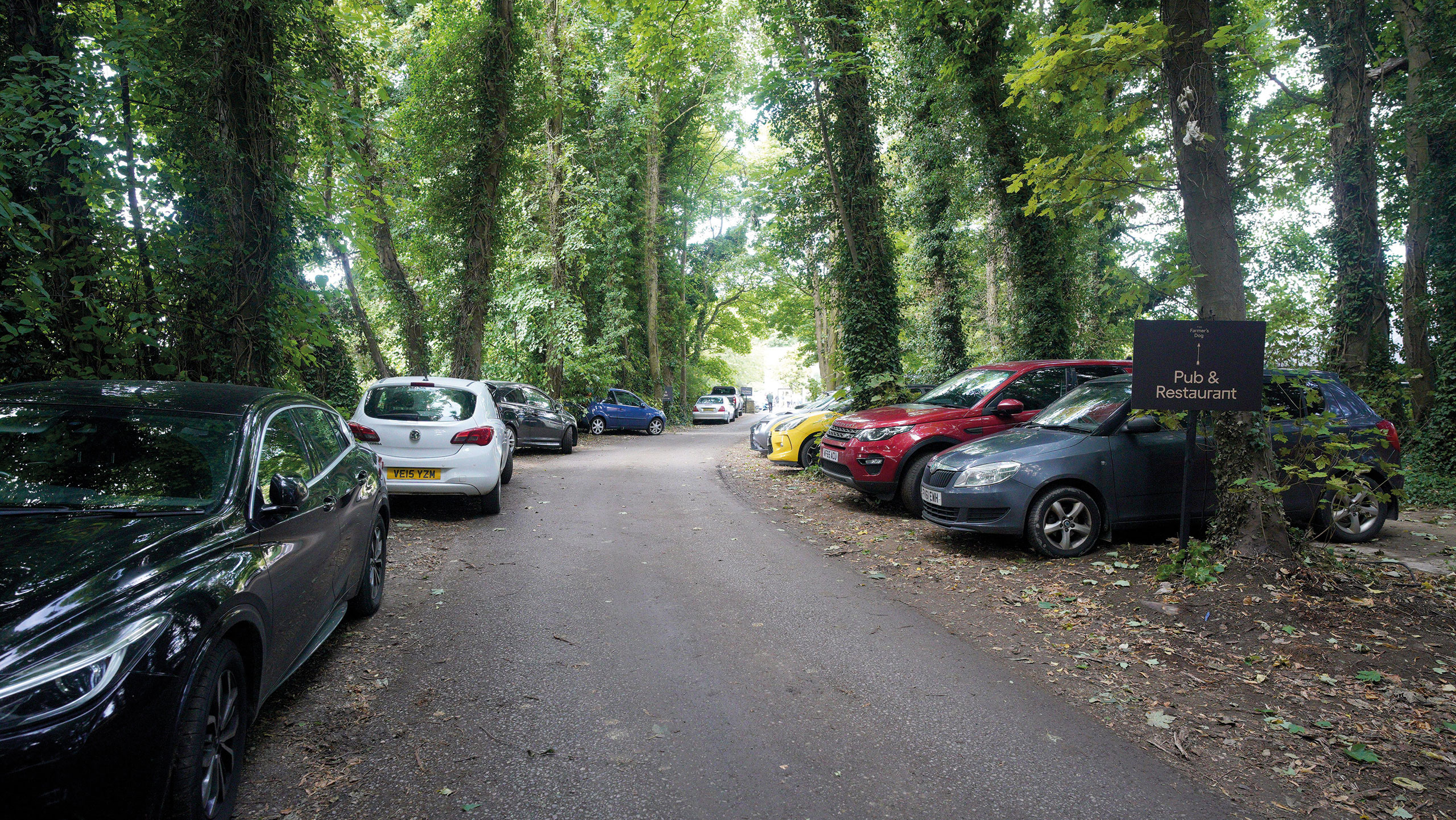
This means dividing the land into areas based on how exposed people and property are, which might result in anything from one to five zones on a farm.
Three zones might be red, amber and green, where red-zone trees need more regular checks or work than others, and so on.
For example, red-zone trees might need checking more often than others after a storm.
The assessment needs to be done by a competent person, but this does not necessarily mean with professional qualifications.
However, anyone concerned about a particular tree or how to carry out a survey or about zoning should contact an arboriculturist for help.
Basic training
Neil recommends Lantra’s basic tree survey and inspection course.
This one-day course aims to give the knowledge to be able to identify potential hazards, also covering relevant health and safety issues, key legislation and risk assessments.
There is also a host of help and guidance from government and industry bodies (see below).
Help, guidance and information sources
- The Arboricultural Association
- TreeAlert – a division of the Forestry Commission where any GB tree issue or concern can be reported
- Ash dieback map
- Welsh government ash dieback policy and guidance
- UK Forestry Industry safety accord
- The Tree Council
- The National Tree Safety Group – organisations with an interest in tree risk management that now leads a nationally recognised approach to tree safety management in the UK.
- Lantra’s basic tree safety course locations and dates
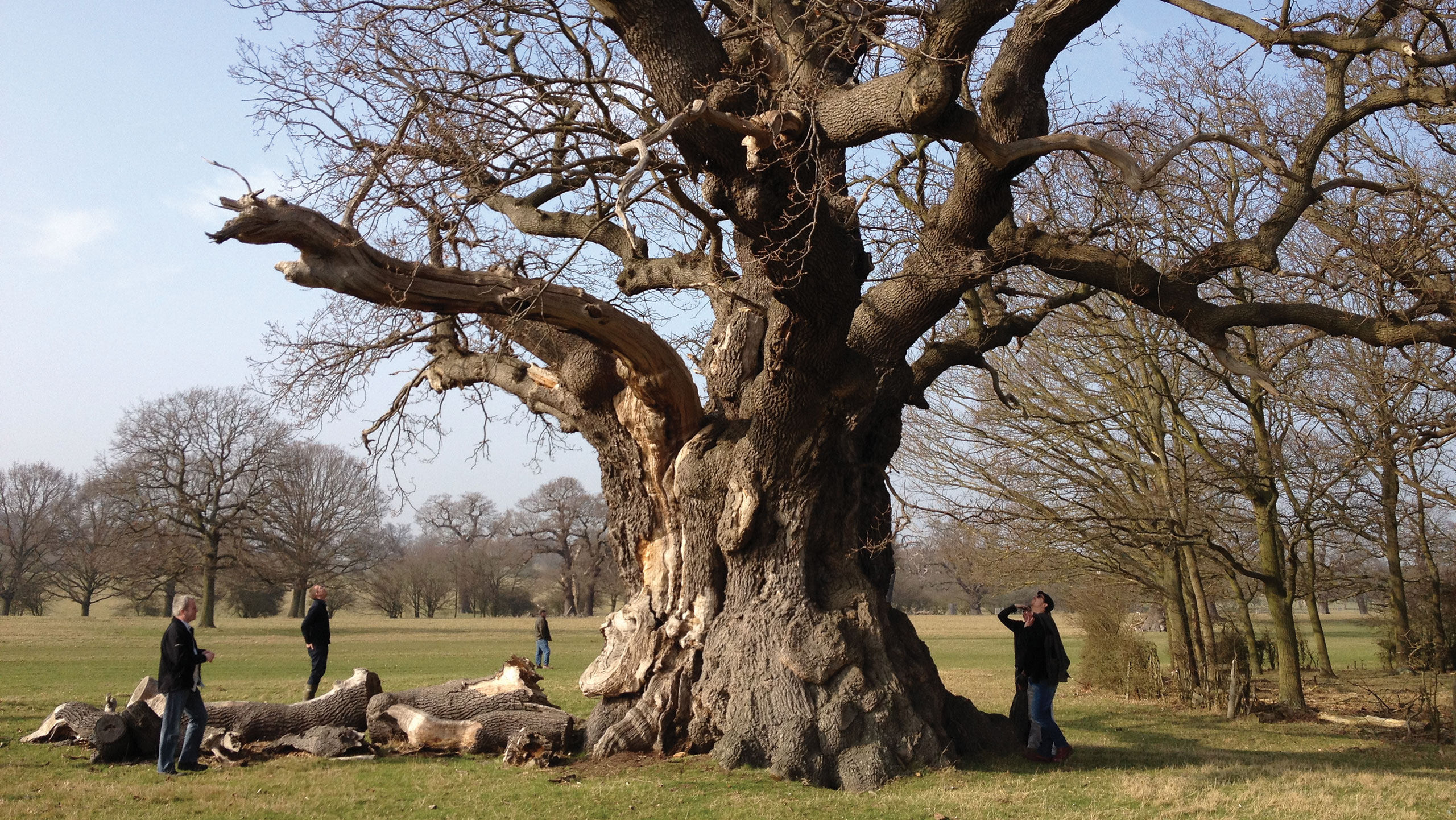
Just because a tree is old, has deadwood, decay and fungi, it doesn’t mean we should cut it down, says Neil Davies © Neil Davies
Included in this is material from the National Tree Safety Group, a collection of organisations and interests, which Neil recommends as common-sense risk management.
His colleague, Marc Liebrecht, cautions that with more farm diversification and more members of the public coming onto farms, tree risks should be reviewed in this light – surveys may need updating or zones changing as occupation and use change.
Landowner and occupier concerns about managing mature trees near footpaths can lead to unnecessary felling, says Northumberland-based independent arboriculturist Will Rickerby, when there may be other options such as fencing off the tree or moving the footpath.
“Actions just need to be proportionate to the risk, and you need to keep an eye out for changes,” he says.
Will adds that the impact of heat and drought is far greater on thinner barked trees such as birch than on oak, for example.
Between the bark and the wood is the cambium layer – a thin, living ring of tissue that is crucial to growth but can be destroyed by hot dry weather.
Key pests and diseases
Ash dieback
An estimated 80-90% of the UK’s trees were predicted to be killed by ash dieback (ADB), but Keystone Environmental’s Neil Davies says the situation may not be as grave as earlier forecasts suggested.
ADB is not always the cause of the death of ash trees, but it reduces the ability of the tree to combat other diseases such a honey fungus and brittle cinder or burnt crust fungus, an aggressive pathogen that causes root and butt rot in deciduous hardwood trees.
Neil says leaf cover of 50% or more should be monitored, and those with less than 50% are unlikely to survive and will require work.
Inonotus hisbidus in ash tree © Will Rickerby
Inonotus hisbidus, or shaggy bracket, is another threat to ash, and to a wider range of deciduous trees. The crown can still be green in affected trees.
IPS spruce disease
IPS spruce disease is caused by an infestation by the larger eight-toothed European spruce bark beetle.
This has been in the UK for about 10 years but has become more serious in the past few years, says Neil.
“It disrupts the tree’s biological system where the bark meets the wood.”
Management is generally by felling to remove the food source of the beetle.
There is no funding for felling costs but a grant is available for restocking.
As a result of the growing prevalence of IPS, the Forestry Commission has imposed strict movement and felling restrictions on spruce wood in certain areas of southeastern and eastern England.
IPS is a notifiable pest which should be reported at TreeAlert – a division of the Forestry Commission.
This can be used to report any concern about trees in Great Britain.
Sooty bark disease
This fungus affects the acer species and is seen predominantly in sycamore and Norway maple, says Neil.
“Its progress can be very rapid and trees die quickly – a tree that is healthy one year can be dead the next.
“Trees become brittle and fragile and it’s quite alarming when you first see it.
“Sometimes you can see the progression along a line of trees as it spreads from one to another.”
Millions of black spores sit beneath the bark, created by this fast-moving infection that is encouraged by hot, dry weather and causes branch dieback, loose peeling bark, crowns with sparse leaves, as well as yellowing or wilting leaves and peeling bark.
The sooty spores can be a health hazard against which precautions should be taken, using FFP3 respirators and protective suits when cutting or handling diseased wood.
Meripilus giganteus
Those with mature beech trees should be aware of this fungal infection that attacks the root system, says arboriculturist Will Rickerby.
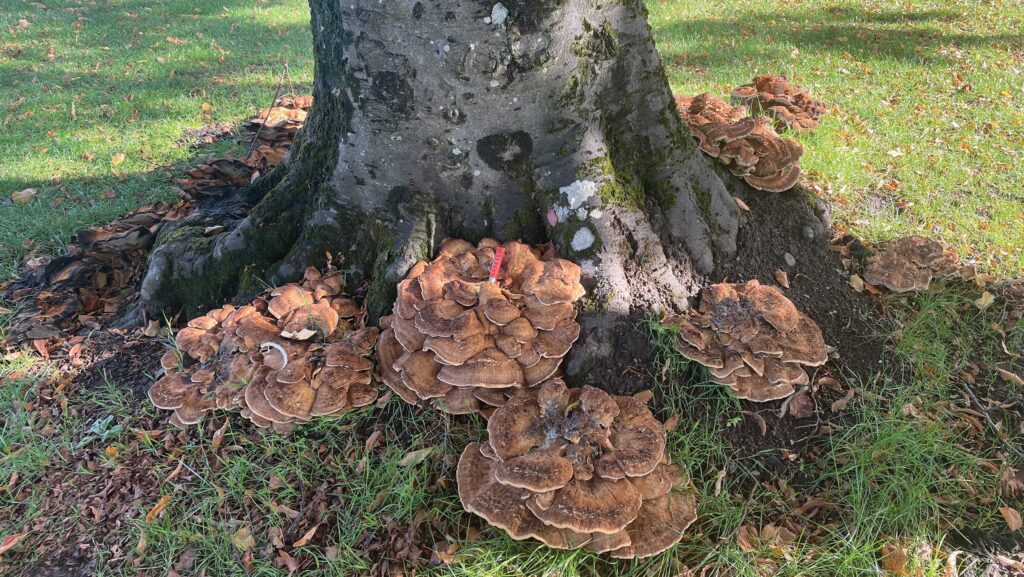
Meripilus giganteus on beech tree © Neil Davies
It is a type of bracket fungus and appears at the base of the tree as large, brown, fan-shaped fruiting bodies.
These can be easy for lay people to miss, especially if trees are not checked regularly.
Co-operation can help management and cost
© Adobe Stock
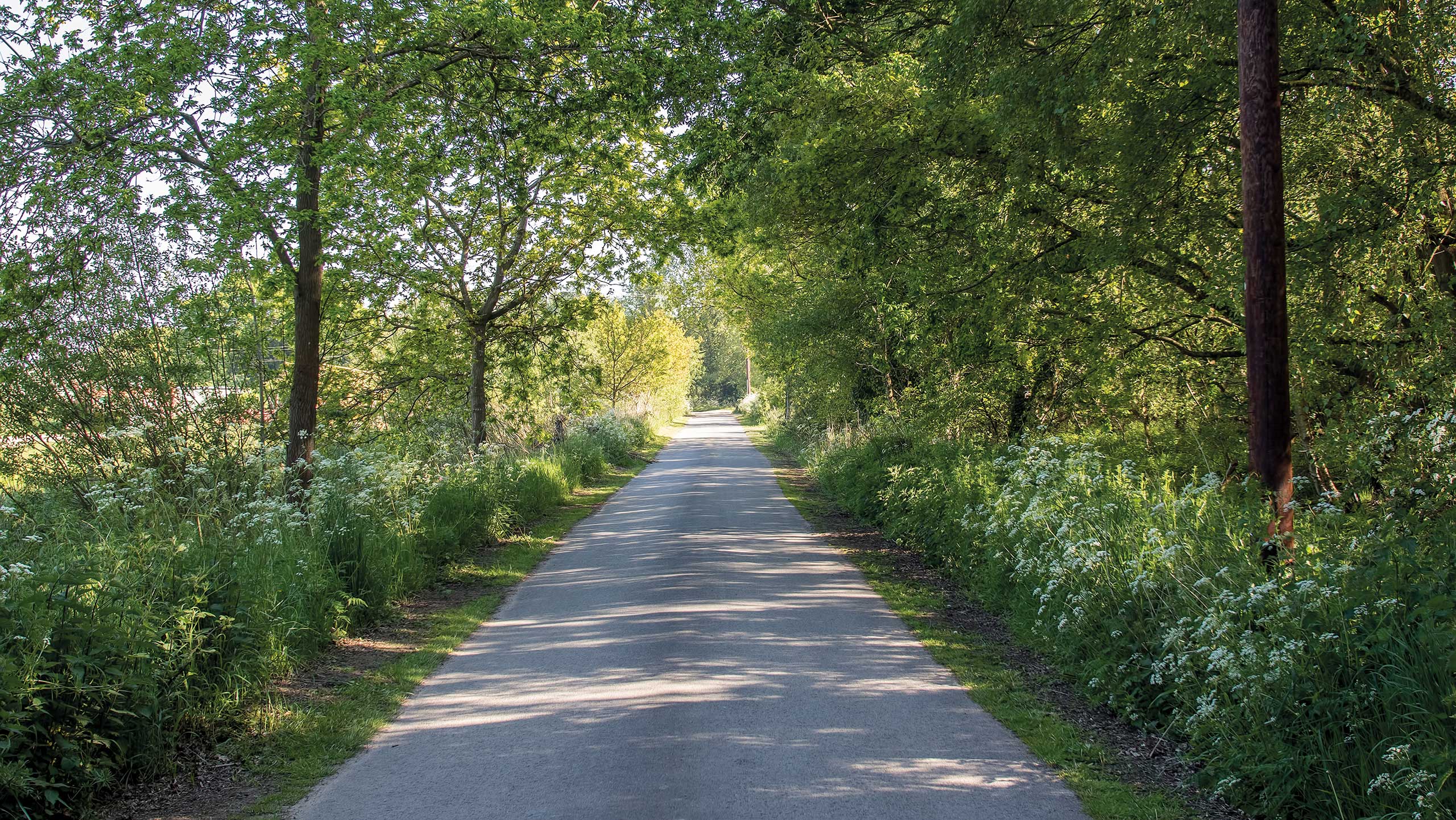
A local planning authority will sometimes co-operate with landowners where tree work is needed.
A recent example in Wales involved a rat-run lane where the local authority (LA) had served notice on landowners and a golf course to carry out tree work.
Because the LA also had to work on its own trees, it arranged and funded the traffic management plan and gave landowners the opportunity to benefit from that being in place.
Although not obliged to use the same contractor as the LA, doing so gave the landowners a bit of discount on the contractor rates as they were already on site.
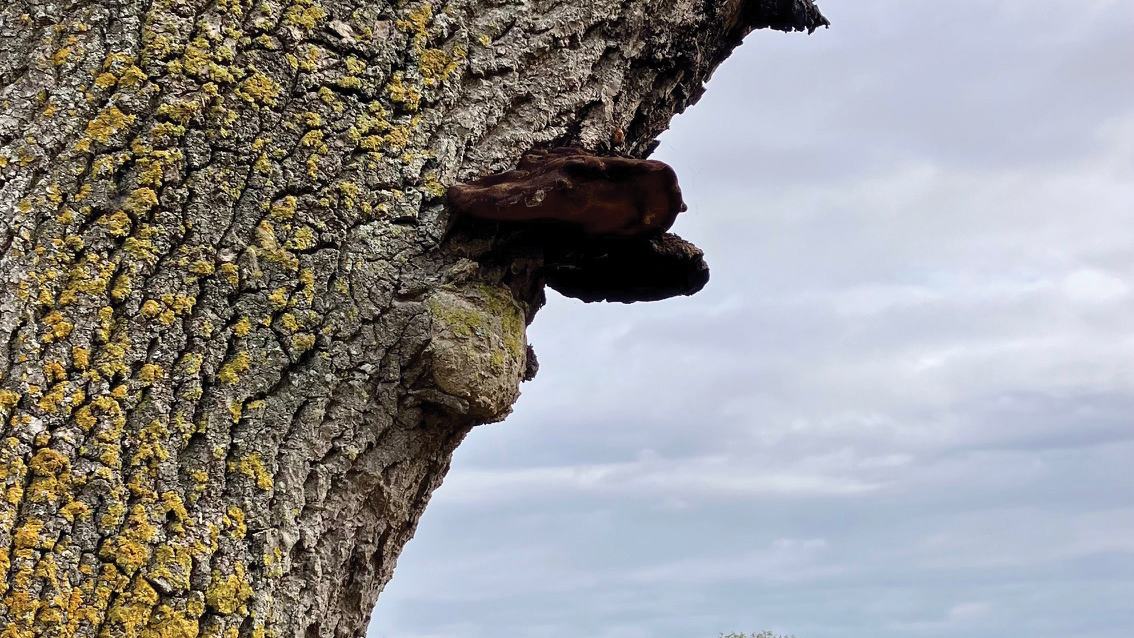
Inonotus hispidus brackets on an ash tree due for felling. It is next to a public footpath and cattle sheltering under the tree have been hit by falling limbs © Will Rickerby
Duty of care and prosecution
The Health and Safety Executive (HSE) prosecutes under section 3(1) of the Health and Safety at Work Act 1974 for tree accidents and injury.
This part of the law requires those with a duty of care, who may be employers or self-employed, to ensure, as far as reasonably practicable, that they do not expose non-employees to health or safety risks.
A similar duty is owed by to employees under section 2 of the Act.
Civil law also places a duty of care to prevent damage or injury, which means taking reasonable actions to prevent acts or omissions that cause a foreseeable risk of injury to people or damage to property.
If a person is injured by a falling or fallen tree or branch then the landowner or occupier is liable under the Occupiers’ Liability Acts (OLA) of 1957 or 1984.
OLA 1957 relates to the liability of an occupier of land when an accident occurs on the land to a person who is a visitor. OLA 1984 extends that liability to trespassers and areas deemed access land.
The duty of care does not expect a tree to be guaranteed safe but that as reasonable care as could be expected has been taken by a reasonable and prudent landowner or occupier.
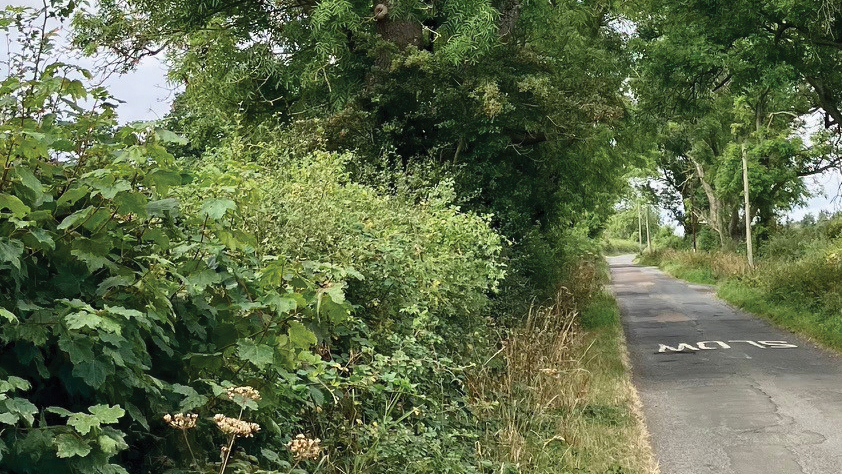
Ash tree with inonotus and stage 1 ash dieback. The target area is a road with moderate vehicle use of about 30 cars an hour © Will Rickerby
Roadside trees
Local authorities and others with responsibilities for highways have become increasingly hot on their own roadside tree liabilities in the past 20 years or so, say advisers.
They can also serve notice to make trees on private land safe, under Section 154 of the Highways Act.
If a landowner does not undertake the work or respond within 14 days, then the agency can do the work or have it done and charge the landowner for it.
Restocking and other grants
Woodland Tree Health grants are available in England to help restock or improve woodland after tree health problems.
Grants can be applied for individually or in a group, with a Forestry Commission woodland officer assessing sites to make sure that the grant is appropriate.
Once a grant is received, the grant holder has three years in which to finish the work needed.
Under the tree Health Pilot Scheme, there is also grant funding to help pay for some of the costs of managing dangerous ash trees with ash dieback on roadsides and public rights of way. Group applications are preferred.
Funding can pay for:
- a tree survey report to assess the condition of ash trees
- the cost of traffic management and road closures when felling diseased trees
- restocking and maintenance of newly planted trees
- a European protected species survey
- facilitation time to manage group applications.
In Wales, the Woodland Restoration Scheme (WRS) offers financial support aimed primarily at larch, in which young trees in particular are affected by the fungal pathogen phytophthora ramorum.
A WRS Expression of Interest can be submitted by anyone issued with a felling licence, a felling licence application number or a Statutory Plant Health Notice containing larch.
Grants for felling and replanting are available, depending on species, location and height of the land.
A Woodland Creation Grant also offers funding to fully restore or establish a completely new woodland block larger than 2ha.
The Scottish government also offers a range of financial support for tree health issues, with Tree Health Grants supporting the protection of woodland from the impacts of non-routine tree pests or diseases.
This covers the provision of competent agents’ services, tree removal of relevant tree or host species and replacement planting.
Phytophthora ramorum is also a problem in Scotland, with help from Forestry Scotland to prevent its spread.