Farmers urged to check footpath declaration deadlines
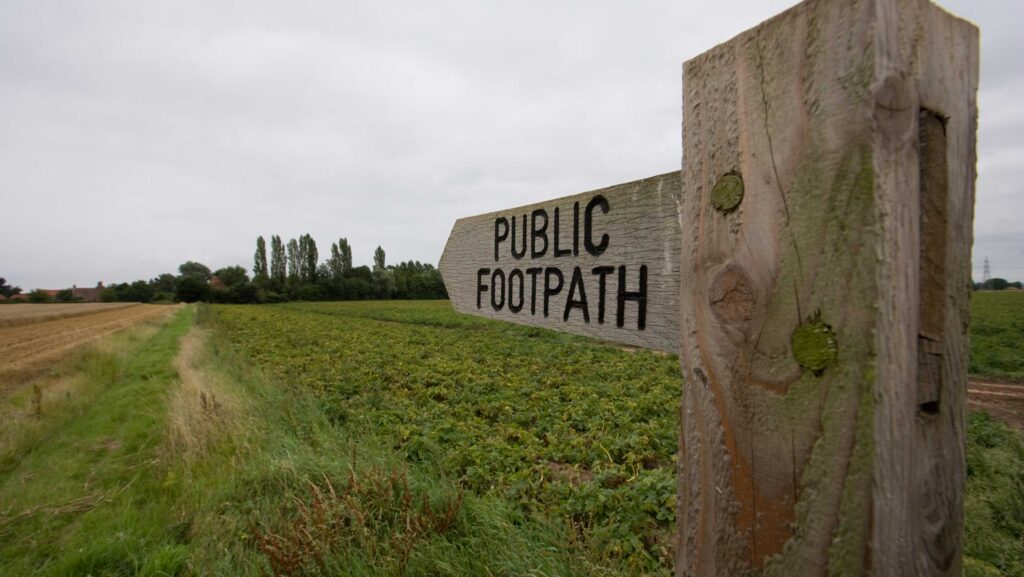 © Tim Scrivener
Farmers and landowners are being urged to check whether legal declarations protecting their land from new public rights of way are due for renewal.
Section 31(6) deposits, made under the Highways Act 1980, allow landowners to formally record that they do not intend to dedicate additional public rights of way across their property.
See also: Business Clinic: What can we do about damage to footpaths
However, the declarations are time-limited, and failing to renew them before expiry could leave land vulnerable to claims for new routes.
Matthew Scott, a director in the rural team at Strutt & Parker, said keeping track of renewal deadlines was an important part of farm management.
“Those submitted before October 2013 were valid for 10 years, while those submitted after that date are valid for 20 years.
“Given these lengthy periods, it can be easy for renewal dates to pass unnoticed.”
Renewal declarations must be submitted before the existing deposit expires to confirm that no additional rights of way have been dedicated since the original map and statement were lodged.
Risk of new routes
Mr Scott also encouraged farmers who have not previously made a deposit to consider doing so, particularly where walkers regularly cross their land.
“If there is an existing footpath, walkers can unintentionally create alternative routes by taking shortcuts,” he said and added that if these are used regularly over time it “could give rise to a claim for a new right of way”.
With more people having visited the countryside during the hot summer this year, farmers are encouraged to check if the existing paths were being followed.
To make a Section 31(6) deposit, landowners must submit a CA16 form to the relevant local authority, accompanied by a highways statement and map showing existing public rights of way.
The deposit provides evidence against the presumed dedication of new routes through long-term public use.
Application fees vary between local authorities and may depend on the number of land parcels covered.