Red Tractor drops plans for lower-tier feed grain scheme
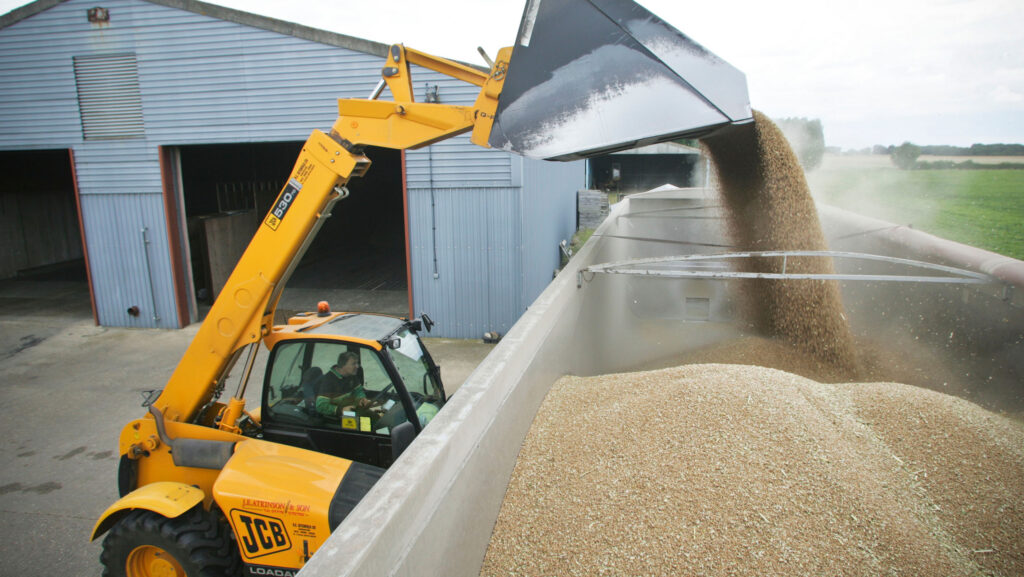 © Tim Scrivener
Red Tractor has ruled out introducing a separate entry-level assurance standard for feed grain, despite previously developing proposals designed to give growers a simpler, lower-cost route into the market.
The decision follows several years of industry discussions over whether different standards could be introduced for grain destined for feed, food, fuel and other markets.
See also: Red Tractor develops new entry-level grain standard
The British Farming Union (BFU) has criticised the decision, arguing that UK growers face stricter assurance requirements and higher compliance costs than imported grain.
A Red Tractor spokesman said a tiered approach had been explored in depth but would create additional complexity without delivering a clear benefit to growers.
“Crops move through food, fuel, feed and pet-food chains whose assurance needs overlap significantly. It was agreed that separate tiers would add segregation and assurance complexity without a clear, marketable benefit to growers,” the spokesman said.
The proposed Entry Level Feed Standard (ELFS) was developed to give growers producing exclusively feed grains an alternative to the full Red Tractor combinable crops scheme, meeting the legal minimum requirements of feed hygiene regulations.
In 2024, Red Tractor said the alternative standard was “on the table” and could allow growers producing feed grain to meet only the legal minimum requirements of feed hygiene regulations.
However, Annie Rogers, Red Tractor’s Combinable Crops and Sugar Beet Board technical manager, told Farmers Weekly that differing requirements across feed markets had made the idea more complicated than initially expected.
Practicality concerns
The pet food industry and varying mycotoxin limits for different animal feeds had made it difficult to establish a straightforward baseline standard, she said.
The industry also concluded that separating standards would be inappropriate in a system relying on on-farm assurance rather than extensive testing of grain consignments.
East Yorkshire farmer and British Farming Union (BFU) committee member Steve Ridsdale said the decision left domestic growers at a disadvantage.
“As cereal growers we need a level playing field for feed grains. We don’t mind what the required standard is, as long as it’s the same for imported and UK produced grain,” he said.
“They could specify that all grain used to feed RT assured livestock must be RT assured, but they openly allow non-assured imports. It’s blatant double standards, and those world price imports drag down our profitability.”
Mr Ridsdale said growers producing exclusively feed grain would question why they had to meet Red Tractor requirements when imported grain was not subject to the same farm assurance.
More testing and costs
Red Tractor chief executive Paul McLaughlin warned that an alternative scheme aligned with import testing requirements could increase costs for British growers, as they would face more testing.
Julian Sturdy, a North Yorkshire arable farmer and chairman of Red Tractor’s Combinable Crops and Sugar Beet Board, said the industry was waiting for the AHDB’s import equivalence work, commissioned following the Farm Assurance Review, before considering the wider implications.
The findings could help inform future discussions about how domestic grain assurance standards compare with those applied to imports.