Red Tractor proposes 27% cut in combinable crops audit points
 © Tim Scrivener
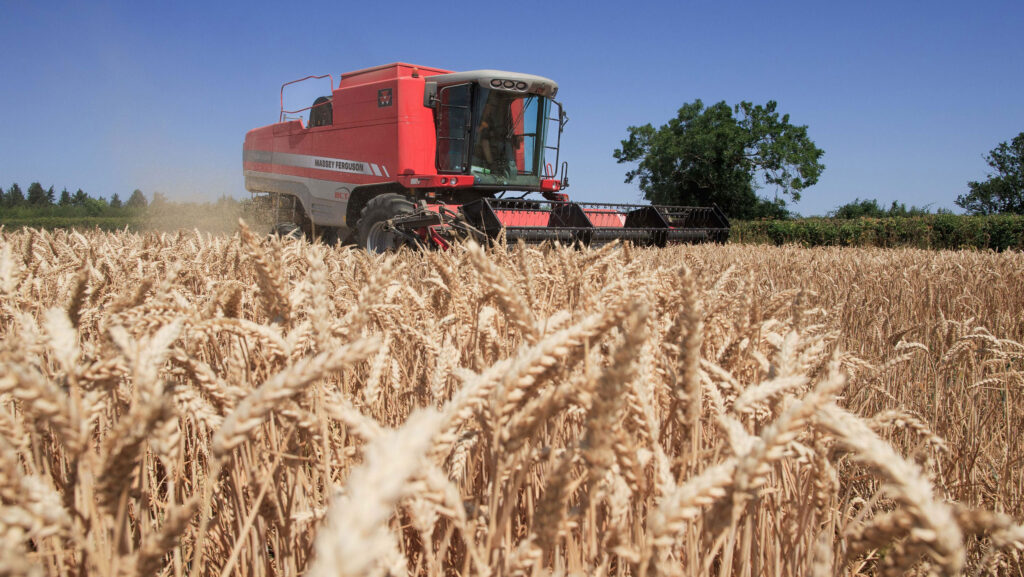
Red Tractor is inviting combinable crops and sugar beet growers to help rewrite its standards, with around a quarter of audit points proposed for removal and the door open to further changes.
However, growers hoping for significantly shorter inspections may be disappointed, as audit times are expected to remain broadly unchanged.
The six-week consultation on version 6 of the standards opens today (Tuesday 10 November) and closes at midnight on 22 December.
See also: Red Tractor seeks to cut admin burden for livestock and dairy
It is one of four consultations launching this week, covering pigs, poultry, fresh produce and combinable crops and sugar beet. Consultations on beef and lamb and dairy launched in September and closed on 3 November.
Briefing journalists ahead of the consultation launch, Red Tractor chief executive Paul McLaughlin stressed that the proposals were not final.
“We genuinely want to hear what people think, and we are fully prepared to make changes if needed,” he said.
Combinable Crops and Sugar Beet Board chairman Julian Sturdy, a North Yorkshire arable farmer and former MP, said: “This is a consultation and we really want to hear what people think about it.”
Responses should be submitted through Red Tractor’s online survey, which covers nine sections containing substantial changes. Growers can choose which sections they want to comment on rather than completing the entire consultation.
Red Tractor technical manager Annie Rogers said the proposals represented a 27% reduction in audit points, largely through consolidating requirements and removing duplication.
Mr Sturdy said every standard had been challenged line by line by the Technical Advisory Committee (TAC), with the aim of making the requirements more practical and proportionate for growers.
Proposals include:
- Removing the irrigation section entirely
- A more focused pest control section, with secondary poisoning standards removed because industry training covers the issue
- Storage rules based on risk and duration
- Changes to transport and trailer numbering requirements.
Mr Sturdy said pressure on arable growers following “two very difficult harvests” was particularly high, with a cashflow crisis affecting farmers across the sector.
The aim, he said, was to reduce the “stress and anxiety” associated with annual reviews.
Growers should not expect big savings in audit time, however.
“Nothing fundamentally massively is changing from version five,” Ms Rogers said.
She explained that most requirements were based on legislation, meaning farmers would not have to do much differently. The reduction in audit points largely reflected the removal of duplication rather than a significant reduction in what growers needed to do.
The scheme is also developing a portal for logging evidence online, although paper options will be retained.
The sector board is separately looking at risk-based auditing, with more detail expected next year. This could help reduce the burden on lower-risk farms.
NFU reaction
Speaking to Farmers Weekly, NFU Combinable Crops Board chairman Jamie Burrows, whose union has representatives on the TAC, called the proposed cuts “a really good story”.
The key changes for growers would be around justification, he said.
“Every audit point should have a justification, and it should be specific to who asked for it. That, I think, is what farmers have wanted.”
But Mr Burrows said farmers may not see any difference on farm until next summer.
Proposed changes to poultry standards
Planned changes to Red Tractor poultry standards also seek to make the assurance scheme “more proportionate and focused on outcomes” across farms, catching teams and hauliers.
Briefing journalists ahead of the consultation launch, Red Tractor Poultry Sector Board chairman Nick Major said the proposals would bring chicken, duck and turkey requirements into one set of poultry standards, so reducing duplication while clearly identifying what applies to each species and enterprise.
“The pace of change is quite significant, so we want to make sure the standards reflect what is actually happening out there,” he said.
One example was automatic nest boxes on laying farms, which Red Tractor plans to make mandatory “to reflect current practices”.
“We’re also introducing in the environmental piece earned recognition for those farms that are already permitted, to reduce duplication with Environment Agency audits,” said Mr Major.
Another proposed change is to require poultry farms to retain records showing the final destination of their litter and manure, as the focus on pollution intensifies.
And with avian influenza now endemic, Red Tractor plans to become more proactive. “Upgraded avian influenza contingency planning will shift from audit point level to becoming a standalone standard.”
While the overall priority, as set out by the sector board last December, is to simplify the audit process and make it more coherent, there is also a greater emphasis on health and welfare outcomes.
“We were never explicitly looking to reduce the number of standards,” said Mr Major. “In terms of the number of standards and audit points, it is broadly the status quo.”
The consultation runs until 22 December and the entire supply chain – “from hatchery to lairage” – are invited to take part.