Farm viability under mounting pressure, MPs told
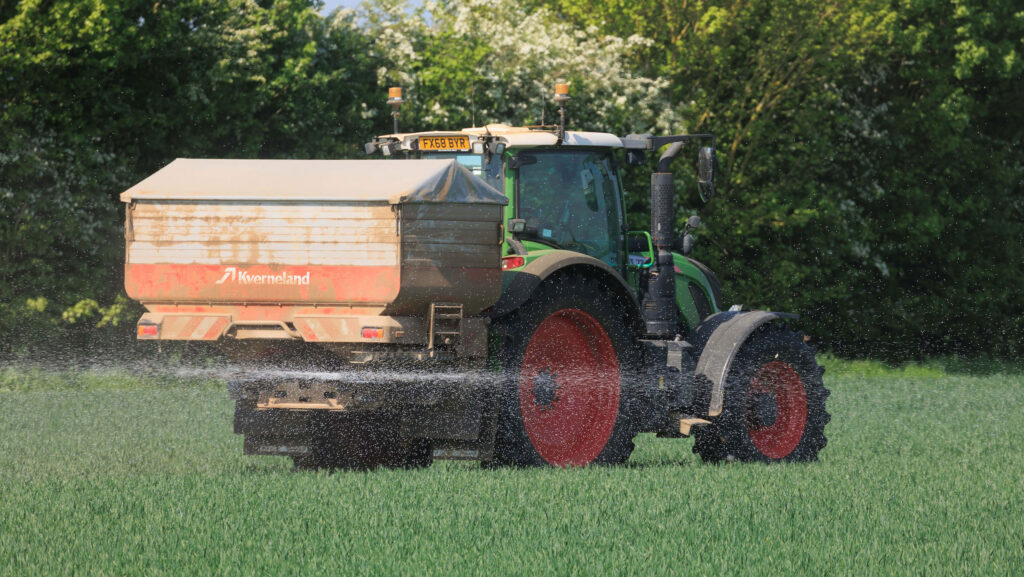 © Tim Scrivener
 UK farming is approaching a critical pressure point this summer, as soaring fuel, fertiliser and energy prices threaten production decisions and the sector’s longer-term viability, industry leaders have warned.
Giving evidence to the Environment, Food and Rural Affairs (Efra) Select Committee in Westminster on 21 April, witnesses said combined pressures could force growers to cut fertiliser use and reduce the planted area this autumn, weakening domestic production and food security.
Jo Gilbertson, head of fertilisers at the Agricultural Industries Confederation (AIC), said fertiliser price rises were being driven primarily by disruption linked to Middle East tensions, including the impact of restricted flows through the Strait of Hormuz and the resulting displacement of global supply chains.
See also: Clarkson’s Farm star urges growers to focus on margins
“The immediate impact is less on availability, more on price,” he said, noting ammonium nitrate had risen from around £380/t to about £525/t, while urea had climbed to about £650/t.
AHDB chief economist Rohit Kaushish said energy-driven costs were feeding through fertiliser, fuel and wider inputs, with English farmers facing a third major shock in six years after Covid and the Ukraine war – only this time without direct payments.
“That buffer has gone,” he said. “Confidence to invest isn’t there,” warning this was already eroding productive capacity in dairy, cereals and oilseeds.
Soaring energy costs
Andrew Opie, director of food and sustainability at the British Retail Consortium, said energy was now the central pressure point in the food system.
“Energy is at the core of this,” he told MPs, explaining it drives fertiliser production, transport and processing costs.
Pressed on how the government could respond to the crisis, Mr Opie said immediate intervention on energy stability was essential. He warned that, without it, pressures would cascade through the supply chain.
“If we don’t stabilise energy costs and give certainty, pressure builds right back to the farmgate,” Mr Opie said.
On retail pricing interventions, he argued there was no case for introducing price caps on everyday food staples, as suggested by SNP leader John Swinney.
“We’ve got the lowest grocery prices in western Europe already, so competition is working, again confirmed by the CMA [Competition and Markets Authority]… so why would you want to intervene?” he asked.
Mr Gilbertson warned that June and July would be a “critical” ordering window for fertiliser. If confidence weakens, he said “demand destruction” could force UK and European plants to “switch off” and potentially go offline, tightening supply further.
The AIC has called on the government to provide improved access to farm credit, further clarity on upcoming carbon border rules for fertiliser, and stronger energy policy direction.
Defra ‘monitoring situation’
Defra farming minister Dame Angela Eagle said the government is working closely with industry to monitor and manage the impact of Middle East tensions on food and farming, with no current risk to food supplies but continued monitoring of prices and readiness to act if needed.
The Efra Committee continues its inquiry into food supply chain resilience and input cost volatility.