Food price cap risks displacing Scottish produce, NFUS warns
 © AdobeStock
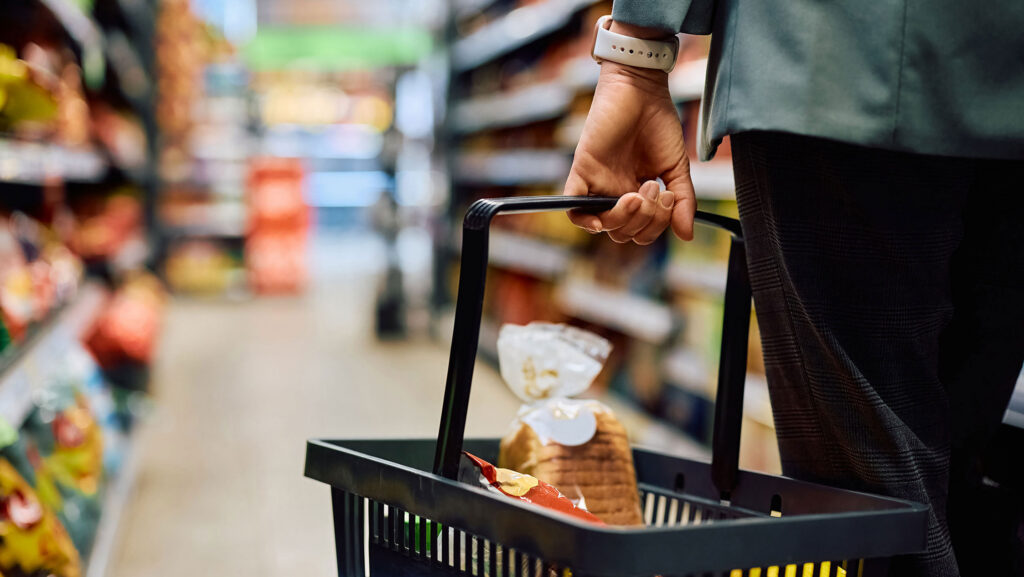
 Scottish farmers have warned John Swinney that plans to cap the price of essential foods could encourage supermarkets to source cheaper imports, risking the displacement of Scottish produce.
Following its 7 May Holyrood election win, the SNP pledged to introduce a cap on the price of staple food items including bread, milk and eggs as part of its response to cost-of-living pressures.
Ministers are preparing to publish draft legislative provisions for the policy within the first 100 days of the new parliament.
See also: NFUS ShelfWatch: Scottish produce gains supermarket ground
With that deadline now very close, NFU Scotland (NFUS) is calling for independent economic modelling and safeguards before the government legislates for a cap on staple foods.
First minister John Swinney has said the policy must help consumers without harming farmers or producers.
NFUS said it welcomed assurances from ministers that costs would not be passed back down the supply chain, but wants clarity on how those protections will work in practice.
The union argues that farmers and crofters are largely “price-takers” and could bear the cost of any cap if retailers seek to recover lost margin elsewhere in the supply chain.
NFUS has also pointed to rising cost pressures, noting agricultural inflation is running at about 8%, while prices paid to producers are around 10% lower than a year ago.
It warns supermarkets may respond by sourcing cheaper imported food to meet price-cap requirements.
Offshoring production
Lisa Hislop, NFUS policy manager, said: “A price cap could displace Scottish produce, damage confidence in domestic production, increase reliance on imports, offshore both food production and associated emissions, and weaken Scotland’s food security.”
A Scottish government spokesman said: “The planned food price cap is intended to help people with the cost of living by keeping costs low on essential foods such as bread, milk, eggs and other items.
“We are clear that the approach must support affordability for consumers while protecting Scotland’s farmers, producers and wider food supply chain.”