How dog field diversifications can bring in the cash on farm
 © Paws in the Park
 The UK is home to more than 13m dogs and the rise in ownership has fuelled rapid growth in private dog fields, with thousands now operating on farmland and rural properties.
Hannah James, founder of British Dog Fields – a consultancy and directory for independent dog fields – says growth has been driven more by changing owner lifestyles than dog numbers.
“In 2018, there were fewer than 600 registered dog fields in the UK.
By the end of 2025, that figure had risen to around 4,000,” she says.
See also: Diversification – what’s hot and what’s not in the farm diversification market
Initially aimed at owners of reactive or challenging dogs, secure fields now attract a broader customer base wanting safe, accessible off-lead exercise areas.
Dog walkers, trainers and breed groups are also driving demand.
Opportunity
Despite rapid growth, Hannah believes there is still significant opportunity for well-run businesses.
“The rewards are still there,” she says. “Businesses are now able to secure finance for dog fields because the evidence of their viability and return is irrefutable.”
A professionally designed dog field can generate high returns. Potential turnover is estimated between £30,000 and £45,000-plus annually, with return on investment often achieved within 12-18 months.
The appeal for many farms is consistent cashflow. Typical bookings are for 50-minute or hourly slots ranging from £8-£20, depending on location, facilities and exclusivity.
Premium facilities can charge more. However, they often offer more features or have a café, farm shop, or other tourism diversifications.
Hannah warns that success depends heavily on getting the fundamentals right.
“A good dog field is really easy to set up, and so is a bad one. The outcomes are worlds apart,” she says, advising against winter launches.
“The first year is about building reputation. Don’t start off with quagmire fields – wait until spring.”
Budget at least £50,000 for a quality setup is Hannah’s advice. Professional services, including planning consultants and specialist contractors, will increase costs but can help avoid expensive mistakes.
Understanding the market
© Paws in the Park
“We are past the point where sticking a fence around two acres of former arable land or pasture cuts it,” says Hannah.
“The most important thing is understanding the demographic of dogs and owners in your area.” Different regions have different requirements.
Areas with high numbers of rescued sighthounds, for example, require flatter, more even surfaces for safe exercise of this type of dog.”
Rather than social media surveys, Hannah recommends speaking directly with local dog walkers, trainers and vet practices to identify gaps in the market and understand demand.
Planning and compliance
Dog fields require planning permission because they involve a change of land use from agriculture.
Hannah strongly recommends before investing in a site to carry out a “red flag” assessment with an experienced planning agent knowledgeable about dog fields.
Land graded 3A or above is unlikely to secure approval.
Recent planning changes also place greater emphasis on comprehensive front-loaded applications, with appeals now more closely tied to original submissions.
Whether to apply ahead of development or retrospectively is another key consideration.
In England, retrospective applications can allow operators to implement nature-benefiting actions suited to the wider farm business, rather than being tied to biodiversity net gain (BNG) requirements.
However, the risks must be carefully weighed. “Using a planning consultant is more important now than ever,” says Hannah.
“A good one knows what actually applies, what doesn’t, and what you can push back on.” Upfront planning costs typically range from £7,000-£10,000, with post-approval fees varying by local authority.
Operators must have suitable waste management arrangements in place. Many councils now expect detailed waste management plans within applications.
“Dog fields also require public liability insurance,” adds Hannah.
Infrastructure
Most dog field operations use between 0.8ha and 4ha, although smaller paddocks can work in accessible locations.
Site selection should not be based solely on the farm’s least productive land. Poor drainage, awkward access and weak grass cover quickly become management headaches during wet weather.
Operators should minimise conflict with neighbouring properties, livestock and machinery by avoiding proximity to public footpaths and busy areas of the farm.
Clear signage can help manage access and customer behaviour. Fencing is typically the largest infrastructure cost and one of the most important investments.
A 1.8m dug-in fence with small mesh apertures is generally considered standard.. Black galvanised steel can help fencing blend into the landscape but creosote-treated timber is prohibited in public spaces.
In-field parking is increasingly viewed as essential, particularly for owners of nervous or reactive dogs.
Gravel, woodchip, and rubber mats can be used to harden parking areas and gateways, helping prevent mud and vehicle damage.
Water stations are increasingly expected, while CCTV can help with security and investigating incidents.
Enforced buffer periods between bookings are also crucial to avoid overlap between customers and their dogs.
Hannah says exclusive use is a major selling point and warns that poor session management can quickly create conflict and negative reviews.
Reliable, off-the-shelf booking platforms are generally recommended because they provide customer support, integrated terms and conditions and simplified administration.
“If you can use Facebook, you can use these systems,” says Hannah. However, be aware of digital exclusion among older or less tech-confident customers and consider alternative ways to support these bookings.
Natural features
Customer expectations are shifting away from artificial agility-style layouts.
Tree planting, habitat creation, and varied natural areas can improve both customer experience and farmland biodiversity over time.
“Plant trees, create different natural zones, invest in the things that are going to enhance the site and make it better as time goes on,” says Hannah.
However, she advises caution around water features because of the added management and liability risks these bring.
Expanding into complementary services can also create other revenue streams, although a clear strategic fit is important.
Raw dog food businesses, canine sports facilities, and veterinary enterprises are among the strongest opportunities.
Indoor exercise areas created from redundant buildings are also becoming popular as all-weather alternatives.
Case study: Becky Wilson, Paws in the Park
© Paws in the Park
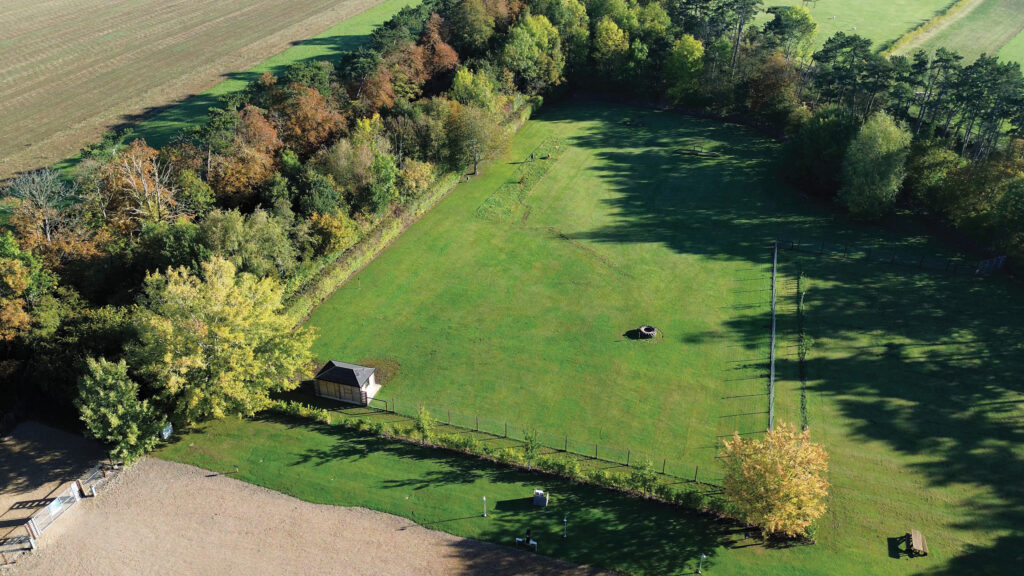
Growing demand from dog owners created the opportunity to turn a small parcel of land at Burrough Court Farm, Leicestershire, into an award-winning premium dog field business.
Paws in the Park opened in April 2023, following almost two years of market research and planning by founder Becky Wilson.
While the family’s arable farm at Burrough Court Estate historically focused on cereals, diversification into commercial property led Becky to explore opportunities.
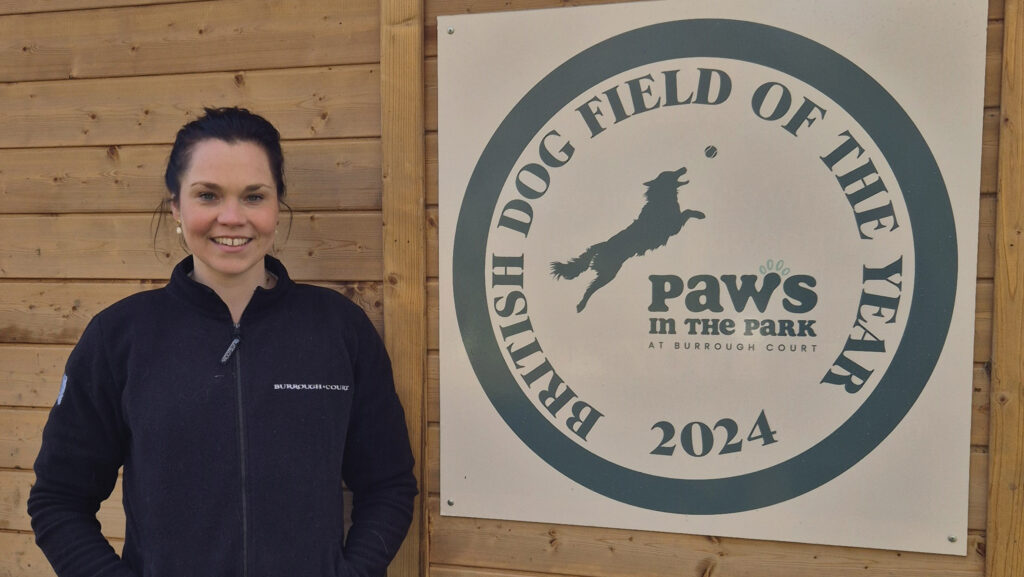
The business has won several awards, including category winner for Professionalism in the British Dog Field of the Year 2024 awards.
Becky Wilson © Becky Wilson
Premium experience
The 0.8ha field was designed to create a stress-free, premium experience centred around natural enrichment.
Bookings are made online for 50-minute sessions with 10-minute buffers – charged at £12 for up to three dogs, and £14 for four to six dogs.
“It’s definitely not passive income,” says Becky. “People see a fenced field and think it’s simple, but customer service, maintenance and reputation are everything.”
The field includes 1.8m dug-in fencing with small mesh apertures to prevent escape by small breeds.
© Paws in the Park
A two-stage entry system allows owners to unload dogs safely off-lead, before moving through to a catch pen – with mains water and a hose for washing dogs and muddy boots – which then opens into the field.
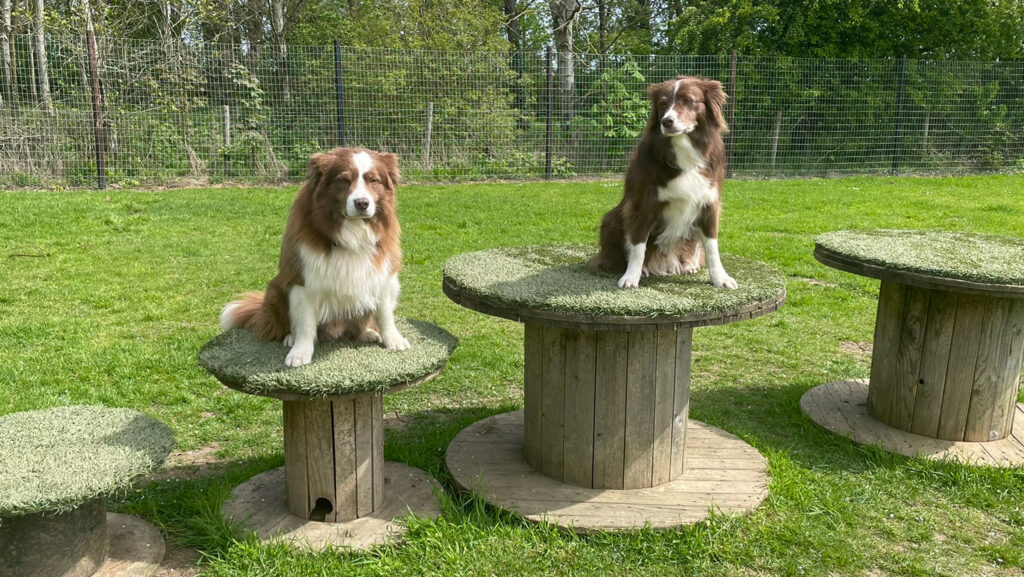
Features include a woodland walk, areas of long grass, a seasonal dig pit and a shelter with an honesty shop selling natural dog treats.
CCTV and wi-fi provide added security and signal for emergency calls.
An on-site café has also become a major draw, with customers able to order food and drinks directly to the field.
“Our on-site coffee shop is a huge selling point,” adds Becky. “But you don’t need this to have a successful dog field.”
Customer feedback and regular assessment have shaped ongoing improvements.
A hedge was planted near the car park to reduce distractions for reactive dogs, while additional drainage was needed to remove sitting water.
The field is mown fortnightly, with long grass kept for enrichment, while high-traffic areas are reinforced with rubber matting and woodchip. Grassland is aerated in the autumn.
Winter bookings are reduced to every other hour in shortened opening hours and customers are offered rebookings during particularly wet weather.
Investment
Paws in the Park runs independently from the estate, which supported the initial setup investment. In return, the business pays a turnover-based rent.
It has made a full return on investment and recorded 59% year-on-year growth. Becky takes a modest wage with profits reinvested into improvements and customer experience.
Facebook has proven the strongest marketing tool. Collaborations with vets, trainers and photographers are helping grow the business through workshops and events.