Barley crops faring well but demand from maltsters muted
 © GNP
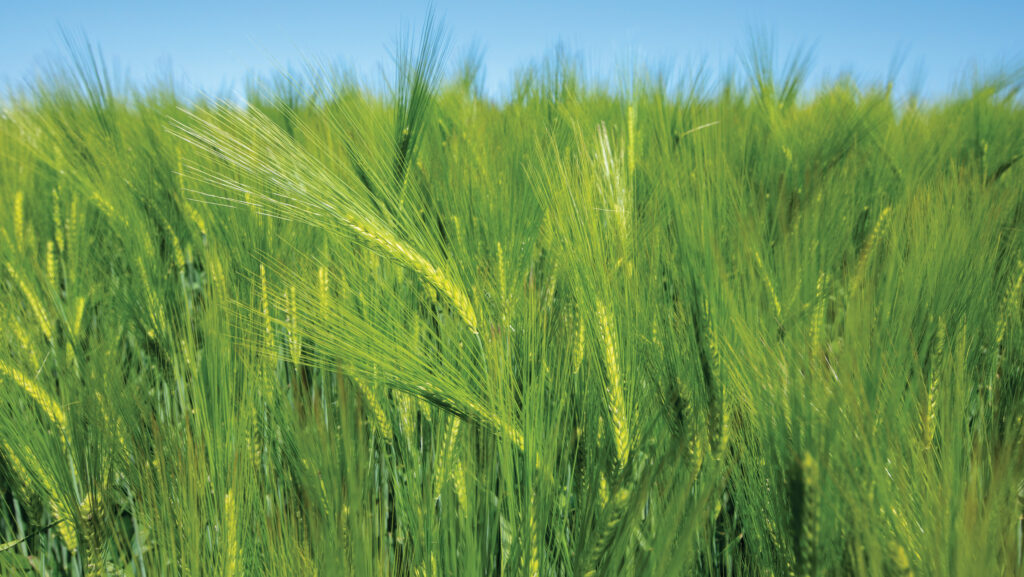
© GNP Crop prospects for winter barley remain positive, with UK plantings progressing well and showing a considerable improvement on last year.
Rising input costs as a result of the conflict in the Middle East are unlikely to significantly impact winter crops, with most key cropping decisions already made.
However, higher fuel and fertiliser prices have had an impact on spring plantings, with margins already tight for growers and weak demand reported from maltsters.
See also: Growers squeezed as input costs soar while grain prices lag
Prolonged dry conditions in parts of the UK are also beginning to raise concerns for spring barley establishment, which could keep the overall crop in check.
The winter barley area is expected to remain broadly stable year on year, although any reduction in spring plantings could lead to a smaller crop overall in 2026.
Ex-farm feed barley prices collected by Farmers Weekly on 24 April averaged £154.7/t, with support across global grain markets over the past week feeding through into the domestic market.
Traders say malting barley is retaining a small premium above feed barley, but demand is limited and traded volumes remain low.
Demand from the UK malting sector continues to be exceptionally weak, with barley use by brewers, maltsters and distillers down by almost 20% year on year between July 2025 and February this year.
Northumberland-based maltster Simpsons Malt says global trade policies, tariffs and geopolitical events affecting the export of other cereal crops have influenced barley prices.
In the longer term, Simpsons says that with global demand for cereals set to grow and climate and trade uncertainties persisting, the price of malting barley will remain subject to frequent changes.
Hamish Logan, associate director at Savills, said reduced demand for whisky and other spirits was filtering back through the supply chain, and the impact was being felt most acutely at the farm gate.
“Many maltsters are signalling reduced intake requirements, and some are delaying contract offers altogether,” said Mr Logan.
“For growers, the uncertainty around 2026 contracts raises several questions about rotation planning, risk management and the financial viability of sticking with spring barley as a core crop.”
He advised farmers to remain agile, explore contract opportunities early and balance risk across rotations.
“Scotland’s malting barley sector has weathered volatility before, and it remains a cornerstone of our rural economy,” he said.
“But the current situation is a timely reminder that even the most established supply chains are not immune to global shifts in consumption.”
EU market
Barley plantings across Europe have been advancing well, with analysts at the EU’s Joint Research Centre reporting that crop conditions across the Continent remain generally favourable, supported by mild temperatures and adequate soil moisture.
The EU Commission’s latest crop report points to barley yields in the EU of 5.15t/ha this harvest, up by 3% on the five-year average.
EU grain producers face challenges due to ample domestic supplies and competitively priced imports, according to the US Department of Agriculture, with large cereals stocks contributing to downward price pressure, in a context where geopolitical conflicts jeopardise export grain potential.
The numbers
- £154.7/t Ex-farm feed barley price on 24 April
- 20% Fall in barley usage by brewers, maltsters and distillers in nine months to February
- 5.15t/ha Projected EU barley yields for 2026 crop