GB OSR and wheat areas recover ahead of harvest
 © Tim Scrivener
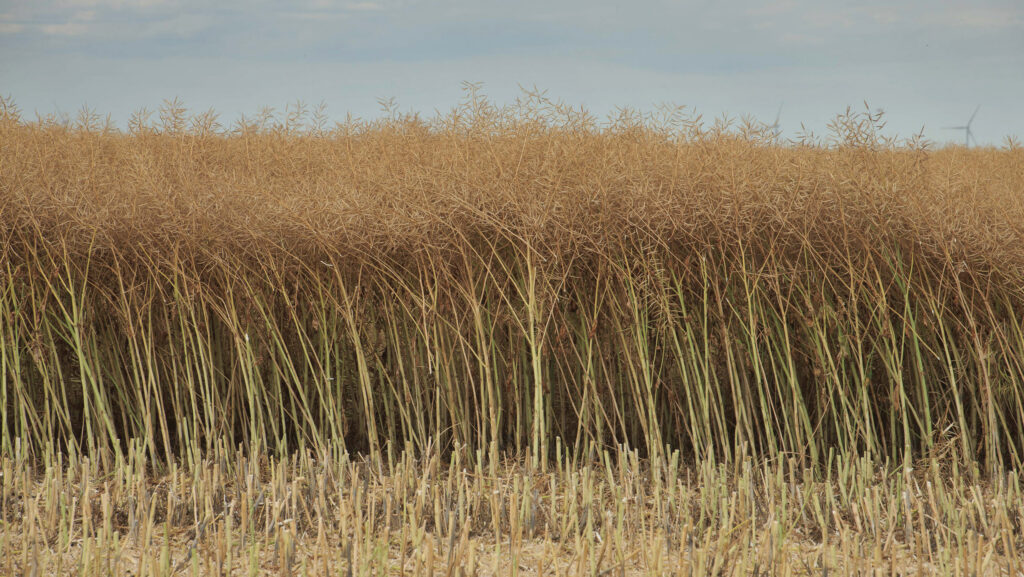
 The domestic oilseed rape crop has shown a considerable improvement in the past year, with the cropping area increasing by almost 50% to 358,000ha.
Oilseed rape (OSR) production has been in decline in the UK throughout the past decade due to disease pressure and depleted yields.
However, the sector has sought to reverse this trend through the successful OSR Reboot programme, led by farmer-owned co-operative United Oilseeds, which has encouraged farm businesses to reconsider growing the crop.
See also: AHDB launches new tool to weigh up SFI options
Improved returns for oilseeds in the past year have also led to more farmers putting OSR back into their rotations.
Traders at United Oilseeds say prices remain elevated and prices have been quoted at roughly £440/t ahead of harvest.
The GB wheat area has also improved, with the AHDB’s Plantings and Variety Survey pegging it at 1.71m ha, up by 3% on the year and 1% above the five-year average.
Group 1 varieties now account for almost a quarter of the total GB area, indicating greater availability of milling wheat for the 2026-27 crop marketing year, although weather conditions ahead of harvest could still impact yields and quality.
UK feed wheat futures have come under pressure in recent weeks, opening at £181/t on 10 June for the November contract.
Major agronomy and grain trading group Frontier Agriculture has suggested that UK growers could face strong competition on global markets, with large exportable surpluses coming out of the Black Sea region and South America.
Meanwhile, the GB barley area is forecast to fall to its lowest level in 16 years at 930,000ha, driven in part by fewer spring barley plantings as growers were able to get other crops in the ground last autumn.
Helen Plant, lead cereals and oilseeds analyst at the AHDB, said: “This year’s survey shows just how quickly cropping decisions are responding to sustained pressure on farm margins and changes in demand.
“The sharp reduction in barley area reflects the combined impact of weaker prices, lower premiums and lower demand from the malting, brewing and distilling sectors.
“At the same time, the recovery in oilseed rape and modest increase in wheat shows that growers are actively reassessing their rotations to manage risk and remain profitable where possible.
“Planted area is only part of the picture. Final supply will depend heavily on yields, crop quality, particularly for bioethanol and malting barley.
“This, plus how demand develops through the season, will also influence prices.”