Pressure eases on oilseed rape market – for now
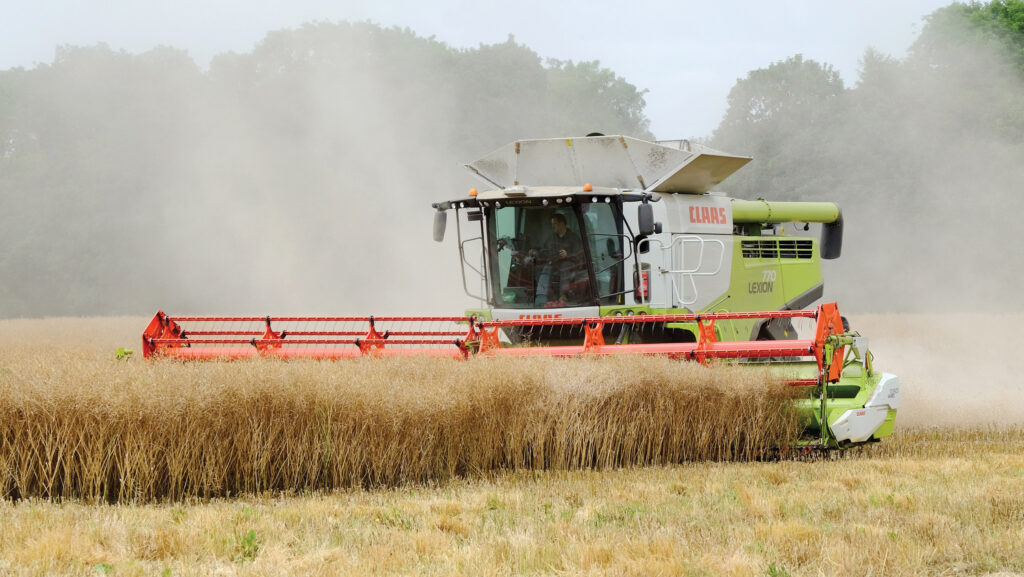 © GNP
© GNP With the oilseed rape harvest gathering pace, markets have enjoyed some relief this week as traders respond to global factors.
As Farmers Weekly went to press on Wednesday (8 July), ex-farm oilseed rape was quoted at an average of £425/t – up about £10/t on the previous week, and at a £35/t premium to last year’s depressed values.
See also: OSR survey suggests flea beetle larvae pressure remains low
According to United Oilseeds managing director James Warner, markets enjoyed some support at the start of the week on the back of rumours of trade talks between the US and China, which could ease tariffs and see the return of Beijing as a significant buyer.
A resumption of hostilities in the Strait of Hormuz between the US and Iran on Tuesday (7 July) also triggered an upturn in the price of Brent crude oil, which jumped from about $72/barrel to $78/barrel on Wednesday morning.
“The rapeseed market is so heavily linked to energy markets through biodiesel that such sudden movements can have a big effect,” Mr Warner said.
However, he suggested this was likely to be a short-term aberration rather than a long-term recovery.
Pressure
Generally, market pressure has been building over the past couple of weeks, Mr Warner said, with Brent crude trading at pre-Middle East conflict levels.
And with harvest pressure now a factor, there has been a widening spread between August and November rapeseed values.
Another potential “bear factor” was the significant “long position” held by pension and hedge fund managers on the Paris rapeseed futures market.
“That needs watching closely, because if they come out, we could see some selling pressure.”
The numbers
£425/t Ex-farm oilseed rape price on 8 July
$78/barrel Brent crude oil price on 8 July
€520/t Paris rapeseed Nov futures price on 8 July
Mr Warner said it was too soon to present any general picture of the UK rapeseed harvest so far, though anecdotally United Oilseeds growers have been pleased with yields from the first crops cut.
“One thing to watch out for is moisture levels, as anything below 6% is potentially rejectable under contract specifications,” he said.
There was also the possibility for deductions from storekeepers and crushers if crops are delivered at temperatures above 25C. With hot, dry weather prevailing, Mr Warner suggested night-time harvesting should be considered.
Delivered prices
The background pressure on the oilseed market has also been highlighted by the AHDB, which reported an £8-£9/t fall in the price of rapeseed delivered to the ADM crushing plant at Erith last week, to £438/t for harvest delivery and £449/t for November.
As well as the general downturn in crude oil values, it also points to large global stock levels, while canola production in Canada could hit a new record, following a substantial increase in plantings from 8.75m ha in 2025 to 9.49m ha in 2026.
To some extent this is being offset by an element of “crop risk” in both the US and European markets, where hot weather has dented expectations of a bumper harvest.
A weaker euro against the US$ has also limited any falls in European rapeseed markets, with Paris futures dropping just 1% last week.
“The fact that the prices of rapeseed oil remain competitive with those of other vegetable oils continues to support the market,” said AHDB senior analyst Anthony Speight.
Mid-week, Paris rapeseed August futures were trading at about €513/t – similar to where they have been for most of June, and about €50/t firmer than year-ago levels.
Longer term outlook – mixed picture
Oilseed producers face a mixed picture in the years ahead, according to the latest OECD Food and Agriculture Organisation Outlook report for 2026-2035.
The study predicts global demand for vegetable oils will remain strong, driven by rising incomes in middle-income countries and population expansion in low-income countries.
An expanding biofuel market should also support global prices.
However, protein meal values are expected to remain relatively flat, particularly as China reduces the protein meal share in its animal feed, the research suggests.