Wheat and oilseed rape prices rise as pound remains weak
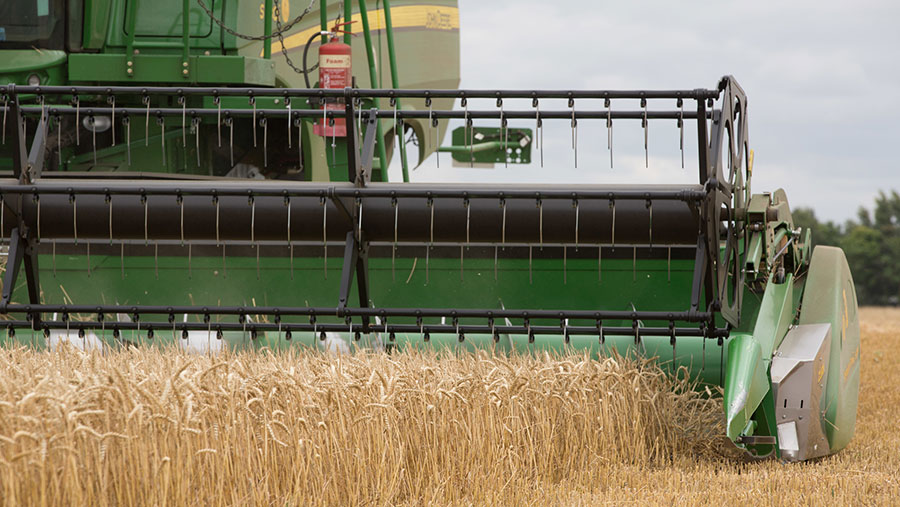 © Tim Scrivener
Wheat prices firmed again this week as the pound remained weak against the euro, although there is plenty of competition for export business and the rise will disadvantage the UK in this respect.
Spot feed wheat prices rose by about £4/t over the week and ranged from £138/t-£149/t, averaging just over £143/t.
At £114/t-£125/t ex farm for January, feed barley values were very close to those of the previous week.
The full-spec milling wheat premium dropped to an average of about £6/t, with January ex-farm values at £140/t-£157/t around the regions.
See also: Business Clinic: spring cropping – beans or fallow
The pound rose against the US dollar and the euro following the prime minister’s Brexit speech on Tuesday (17 January) and while it has remained stronger against the dollar, the rise was from a brief 32-year low just before the speech.
US wheat prices rose this week on the news the country has planted its lowest winter wheat are in 108 years, with the area falling by more than 10% on the year to 13.1m hectares.
However concern for the state of European crops has reduced, with further winter kill expected only in Poland.
UK wheat exports to the end of November 2016 reached 166,000t, taking the July-November total to 99,000t compared with 740,000t in the same period the previous season.
November’s barley exports at 140,000t bring the year-to-date figure to 570,000t, lagging behind the previous season’s 650,000t.
Use of wheat in feed rose by about 5% between July and November as demand for poultry feed rose. However, maize imports are rising as UK feed wheat becomes too expensive for some rations – maize imports reached their highest monthly level for 10 months in November, at 178,000t.
Analyst Strategie Grains has forecast the 2017 UK wheat crop at 14.6m tonnes, similar to 2016’s 14.5m tonnes, making for a tight season again.
However it also forecasts a return to a more “normal” EU soft wheat crop of 143.8m tonnes, after low output in France and Germany meant the EU-28 member states produced just 135.9m tonnes from the 2016 harvest.
UK winter barley is put at 2.9m tonnes in 2017 by Strategie Grains (2.8m tonnes in 2016) and spring barley at 4.1m tonnes against 3.8m tonnes in 2016.
Rapeseed
Tight supplies across the UK and Europe continue to buoy rapeseed prices, helped also by concern over the impact of bad weather on soya bean planting and crop development in Argentina.
UK oilseed rape prices rose by almost £4/t on the week to Friday (20 January) averaging £354.80/t ex-farm for January and ranging from £348/t-£358/t across the UK.
Australian imports are expected to make up some of the UK rapeseed supply shortfall, but these will not arrive in the UK until mid-February, leading some merchants to suggest that price might not be so keen after this.