EU suspends fertiliser tariffs and seeks to halt carbon tax
 © GNP
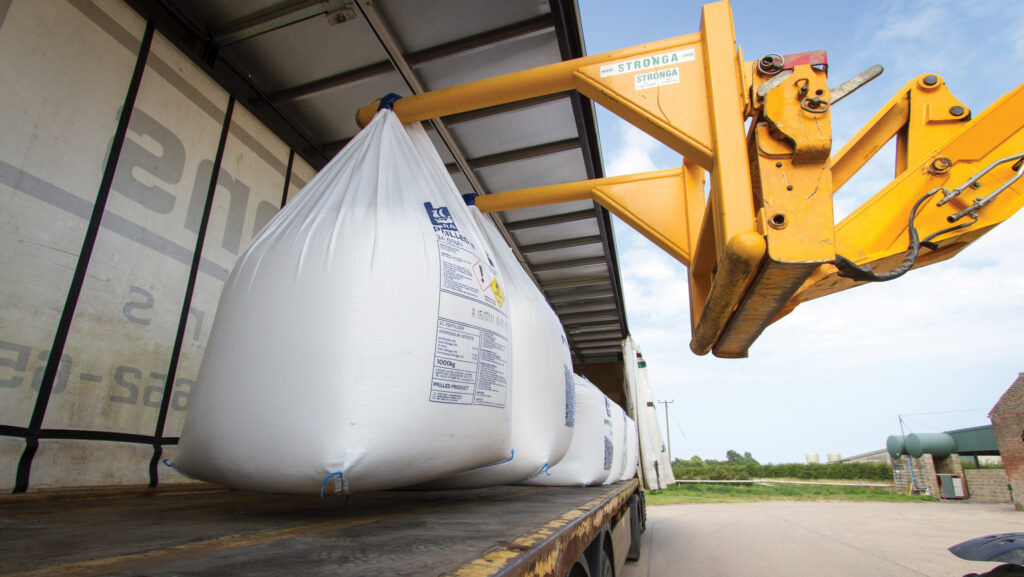
© GNP The EU Commission has committed to making fertiliser more affordable for farmers in the bloc, following an extraordinary meeting of EU agriculture ministers on 7 January.
It has introduced a number of measures including temporarily suspending most-favoured-nation tariffs on certain fertiliser imports and is considering proposals to suspend the Carbon Border Adjustment Mechanism (Cbam) for fertiliser products.
These emergency proposals have been introduced following pressure from several EU member states, including France and Italy.
See also: EU delays deforestation-linked beef and soya import rules
European commissioner for trade and economic security Maroš Šefčovič said keeping fertiliser affordable was vital for farmers’ incomes and Europe’s food security, adding that fertiliser costs remained around 60% higher than in 2020.
Mr Šefčovič said: “We will propose to temporarily suspend the remaining most favoured nation tariffs on ammonia, urea and, where necessary, other fertilisers.
“We will also issue guidance on a new measure – proposed by the commission in Dec 2025 and which needs to be approved by the co-legislators – that would allow for a temporary suspension of Cbam on certain goods, such as fertilisers, should the market monitoring indicate unforeseen circumstances.”
The EU Commission has confirmed it will continue to monitor fertiliser prices and plans to present a fertiliser action plan later this year.
UK impact
Cbam regulations on fertiliser imports to the UK are due to be introduced from 1 January 2027. However with the UK looking to align more closely with the EU, any potential suspensions or changes to Cbam in the EU may have further knock-on effects.
During a grand committee debate on nitrogen in the House of Lords on 6 January, Lord Fuller said: “We have the prospect of a misdirected introduction of new carbon border adjustment mechanism taxes on 1 January next year, ostensibly to reduce carbon leakage in the UK.
“There is no UK fertiliser production any more so it will do nothing to reduce global carbon emissions.”
He added that Cbam regulations could make fertiliser roughly 25% more expensive and create a “bizarre fiscal incentive” for businesses to use the most polluting urea fertilisers.
Further EU measures
An additional €45bn (£39bn) in funding to support farmers in the EU was also unveiled, which would bring total funding to near €400bn (£346bn) for the 2028 budget, including the existing ringfenced budget and funding for rural areas.
EU commissioners also addressed concerns related to import standards during a briefing following the extraordinary meeting, and it is pursuing a stronger alignment of production standards applied to imported products.
European commissioner for health and animal welfare Olivér Varhélyi said: “If something is banned in the EU, then it means it must be banned in the EU.
“The other principle is whenever we consider phasing out the product we have to make sure there are alternatives for farmers.”
Pesticide approval
EU commissioners are proposing legislators allow unlimited approval of the least hazardous pesticides, and make it easier for countries to renew pesticides.
Mr Varhélyi said: “We see that our farmers are having trouble in accessing the very pesticides that they need to be able to grow their crops.”
There were also calls to speed up the approval products for new pesticide products.
“Currently, it takes eight to 10 years to get products approved,” said Mr Varhélyi.
“This is simply not acceptable. So, we want to fast-track the scientifically most advanced and environmentally least harmful plant protection products, namely the bio control products.”