Barn conversions: Still worth the effort in a tricky market?
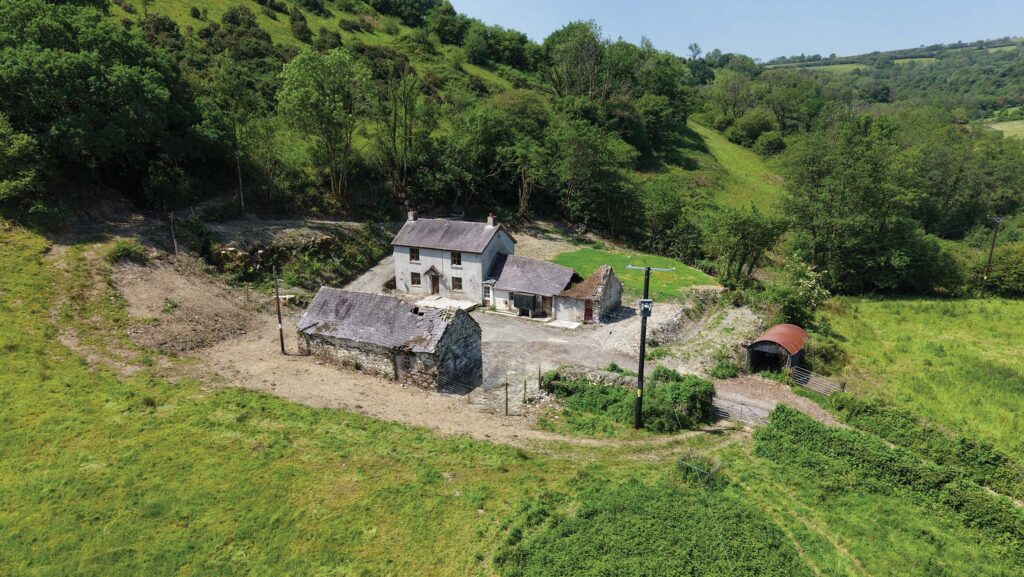 © Rees Richards & Blyth
 Mike Taylor, senior partner at Shropshire-based Barbers Rural, doesn’t pull his punches when asked for his opinion on farmyard barn conversions.
“Quite frequently we have clients who are thinking of selling and decide it would be a great idea to get planning permission on their traditional farm buildings because it’s undoubtedly going to add value to the sale.
“So, they spend tens of thousands of pounds getting planning consent, and then they ask us to advise on the sale.
“I’m afraid the first thing we generally say is: ‘Well, that was a waste of time, nobody’s going to give you any more money because you’ve spent lots of money getting planning consent than if you hadn’t’.”
See also: Planning permission: how to maximise permitted development rights on farm
Conversion caution
- Think carefully about the site, especially if close to farming operations
- Research the market well – what are similar properties making, how long are they taking to sell?
- Cost the project carefully and realistically, including the cost of capital for a potentially long marketing period
- Consider whether permitted development or full planning is the best option
While such barn conversions may have commanded a premium in the past, Mike reckons their moment has passed.
“If you’re buying a farmstead in the countryside, who really wants somebody living next door anyway?
“Restrictions on development because of the shape of the barn mean you’re left with a building that isn’t really very useful and is very expensive to develop, often costing a lot more than a new build.”
High conversion costs
Standalone conversions on their own land, away from the main farmstead, are more popular, says Mike, but such sites are becoming less attractive to developers due to sharp increases in construction costs and planning hassles.
Government data shows material costs have risen 43% in five years.
The RedBook Index, which tracks the cost of very high-end residential refurbishment projects, calculates that raw build costs rose from £4,897/sq m to £7,040/sq m over the same period.
House prices, however, have only risen by 26%, according to the Nationwide House Price Index, squeezing margins for private developers, some of whom are now focusing more on refurbishing urban properties for the buy-to-let market.
Demand does vary regionally. In west Wales, lower property prices mean renovation projects are still attracting buyers from “across the bridge”, as Matthew Morris of rural agent Rees Richards & Blyth puts it.
At the firm’s recent collective auction, a virtually derelict farmstead at Felingwym in Carmarthenshire sold for £220,000 – well over its £125,000 guide price.
Chris Leney of East Anglian rural consultancy Brooks Leney has a couple of Class Q barn conversions coming to the market in the next three to six months where “the maths has been done”, but says there’s “not a lot of gold in it at the end of the day for the developer”.
Planning matters
Building costs aside, planning issues are still the biggest barrier to barn conversions, say agents, despite Class Q permitted development rules supposedly making the process easier in England.
“Planning authorities have suffered far too many judicial reviews from aggrieved parties, and they are terrified of granting a consent that could be upset,” says Mike.
“Therefore, they’re insisting on every survey under the sun to show they’ve carried out all the due diligence.
“That’s fine, but the cost of all those surveys goes back to the landowner.
“A planning permission that 10 years ago might have cost £10,000 to get is now £20,000 or even £30,000.”
Chris says new houses in the countryside don’t go down well with planners, with barriers often put up to prevent them, or make them difficult.
“The clue in permitted development is in the name, but we’re finding a lot of councils wanting a bat report, a newt report, and a flood report, and suddenly you’re in for huge costs.”
An agent for a large estate said the situation was the same in the north of England, with some councils insisting on full planning permission for the external areas of permitted development sites, making the buildings “unusable”.
For those not put off by the challenges, the advice is simple.
“Get some good advice, get a good planning consultant, get all your ducks lined up, and don’t imagine that it’s going to take less than 12 months to get your planning consent,” says Mike.
“Work out what it is going to cost to get there, what will its value be at the end of the day, and is there going to be demand for it?” advises Chris.
“And, finally, in a tricky housing market, is the risk worth it?”