

Small abattoirs at ‘dangerous tipping point’
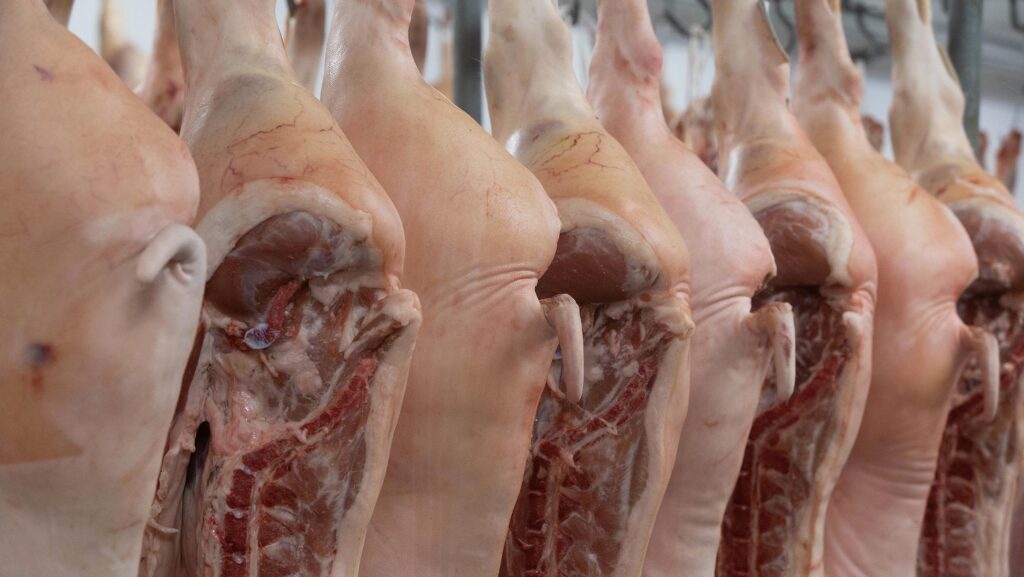 ©Tim Scrivener
 A Welsh abattoir owner has warned the UK’s network of small slaughterhouses is at a “dangerous tipping point”, as rising regulatory costs threaten to force more local facilities out of business.
Speaking at the inaugural CLA Cymru conference at the ICC in Newport, Collwyn Maddock, who runs a small abattoir in South Wales, said smaller processors play a vital but often overlooked role in the livestock sector.
“We’re at a dangerous tipping point where it’s going to disappear,” he warned.
See also: Meat suppliers condemn rise in FSA inspection fees
Mr Maddock told delegates that small abattoirs underpin local supply chains by processing livestock in smaller batches for farmers, butchers and farm shops – services that larger industrial plants are not set up to provide.
“You have to have an underlying small abattoir sector that can process small numbers of livestock. You’ve got to have it,” he said.
“But in the livestock sector, in the meat production sector… we’ve got to be able to do our thing and just take care of all the smaller stuff.”
Mr Maddock’s family business, Maddock Kembury Meats, has been operating for about 45 years and now has an annual turnover of about £2m.
It provides slaughter services for cattle, sheep and pigs for local butchers, farmers’ markets and smallholders.
He said smaller abattoirs often provide specialist services that large processors, such as ABP and Dawn Meats – which mainly supply supermarkets as well as foodservice, manufacturing and export markets – do not offer.
This includes processing individual animals for farmers selling meat directly to customers.
FSA inspection fee hikes
However, he warned that significantly higher inspection charging structures, due to be introduced by the Food Standards Agency from 1 April 2026, could have severe consequences for the sector.
The warning comes amid a long-term decline in slaughterhouse numbers across the UK.
As of mid-2025, only 47 small abattoirs remain in England and Wales, down from nearly 100 in 2007.
The situation is particularly acute in Wales, where only nine small-to-medium-sized abattoirs remain, including just five classed as small facilities.
Ageing workforce
During a panel discussion chaired by Hybu Cig Cymru chairman Catherine Smith, Mr Maddock said policymakers needed to recognise the differences between large industrial processors and smaller rural facilities rather than adopt a “one-size-fits-all” approach to regulation.
He also warned the sector faces an ageing workforce.
“The average age of smaller abattoir operators is in the mid to late 60s,” he said.
His comments came on the same day that Reform UK launched its Welsh Senedd election manifesto in the same building.
This included a pledge to support small and mobile abattoirs by reducing regulatory pressures on local facilities.